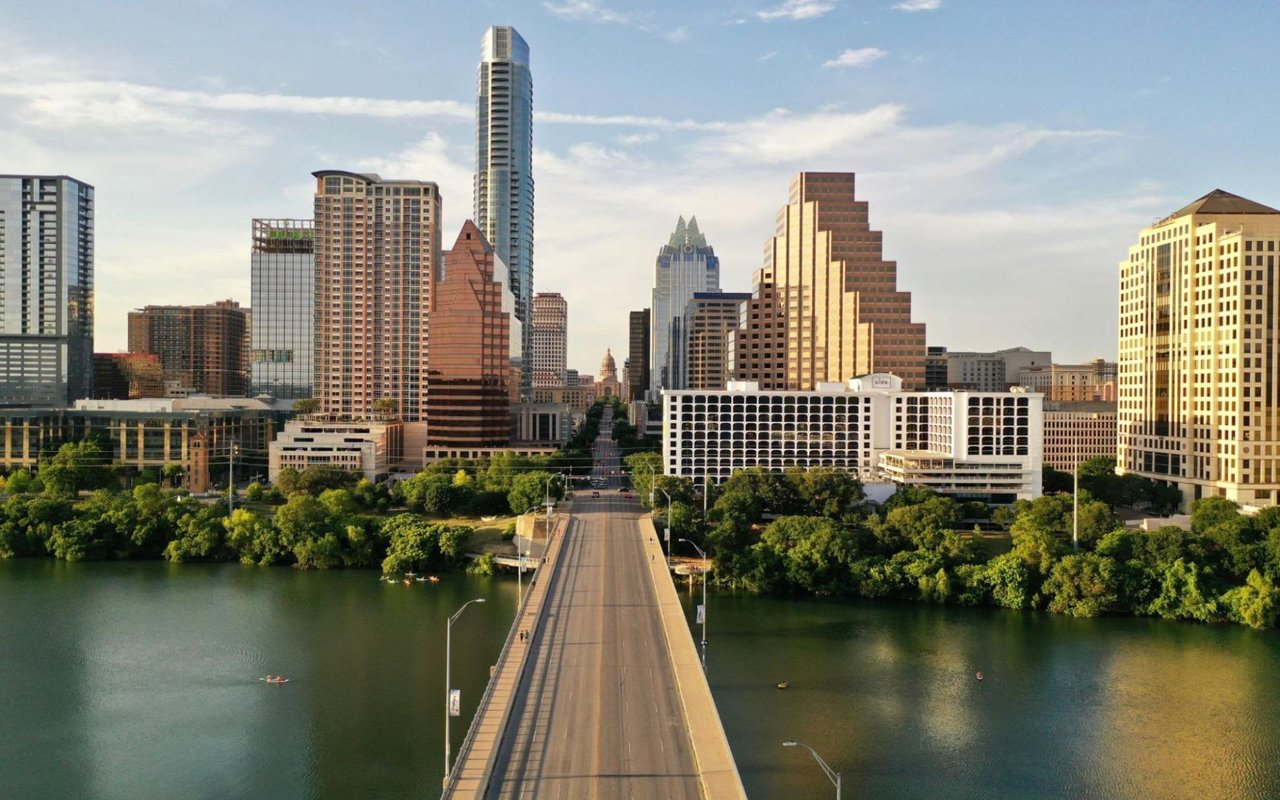
If you want the rhythm of downtown Austin without high-rise living, Clarksville might be your perfect match. You get tree-lined streets, independent cafés, and a short walk to culture and parks. At the same time, you want honest context about history, mobility, housing styles, and what to expect before you buy. This local’s guide gives you a clear, candid picture so you can decide if Clarksville fits your lifestyle. Let’s dive in.
Clarksville at a glance
Clarksville sits immediately west of downtown Austin, in a compact footprint that feels intimate and connected. It is one of Austin’s historic freedmen’s communities, founded by formerly enslaved people after the Civil War. That history continues to shape local identity, preservation goals, and ongoing conversations about change. To orient yourself, start with the City’s neighborhood planning resources and maps, and explore the Austin History Center for deeper historical context and archival perspectives.
- Explore the City’s neighborhood planning resources: City of Austin neighborhood planning
- Learn more about local history: Austin History Center
Streets, homes, and character
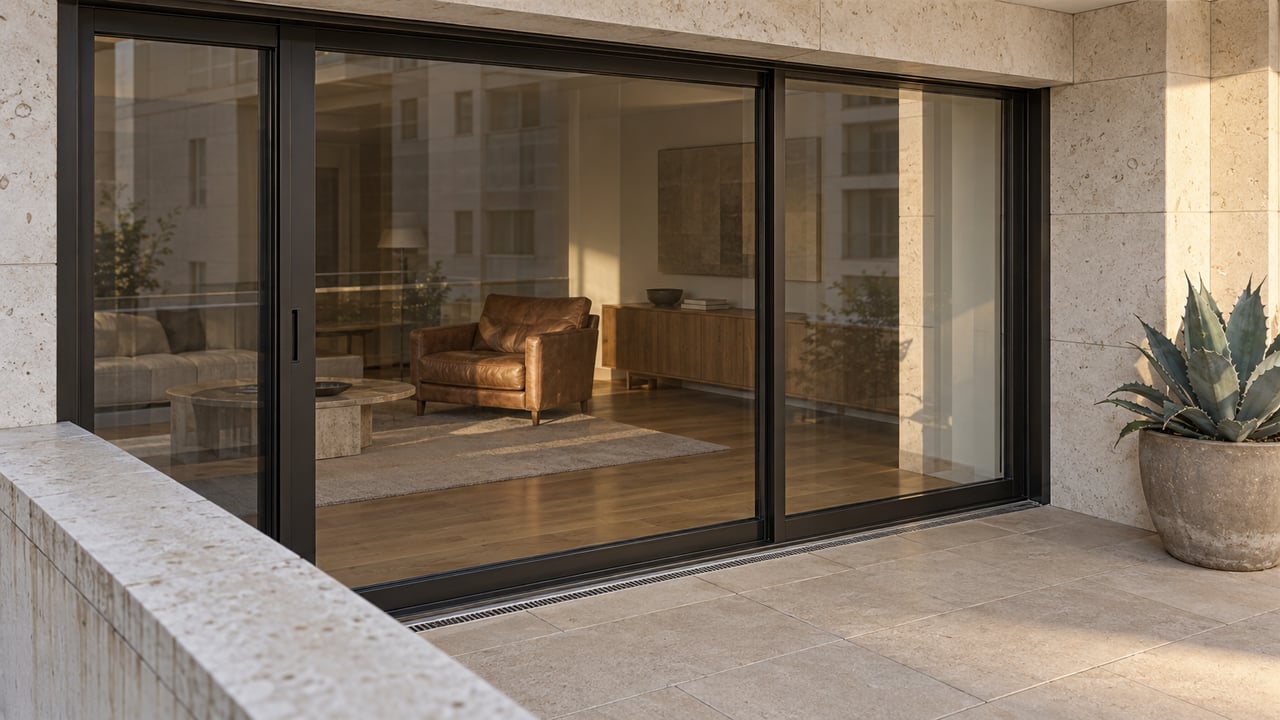
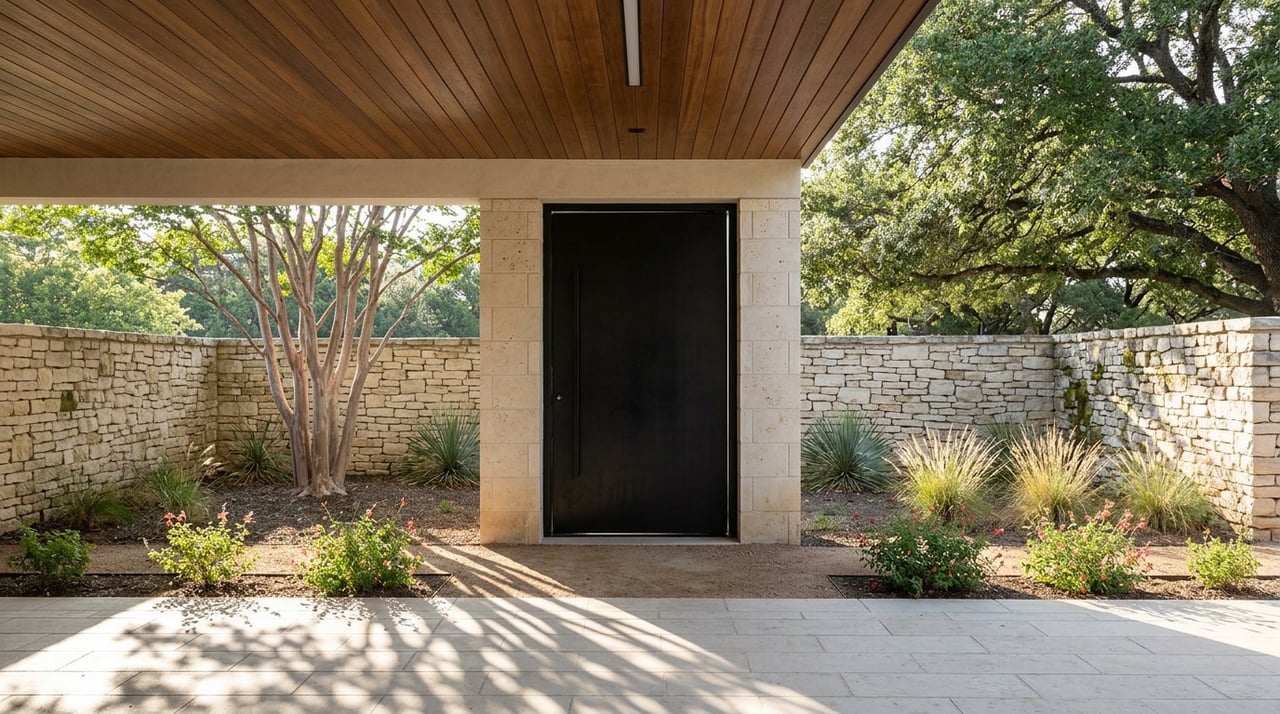
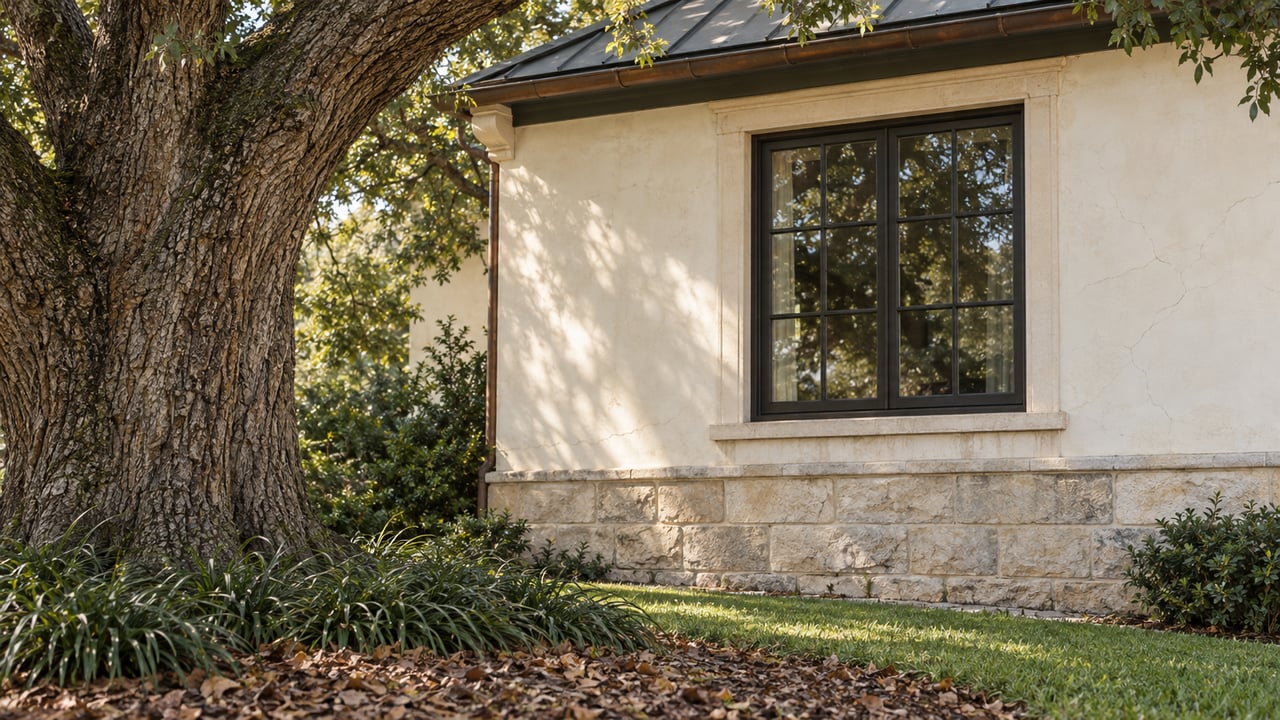
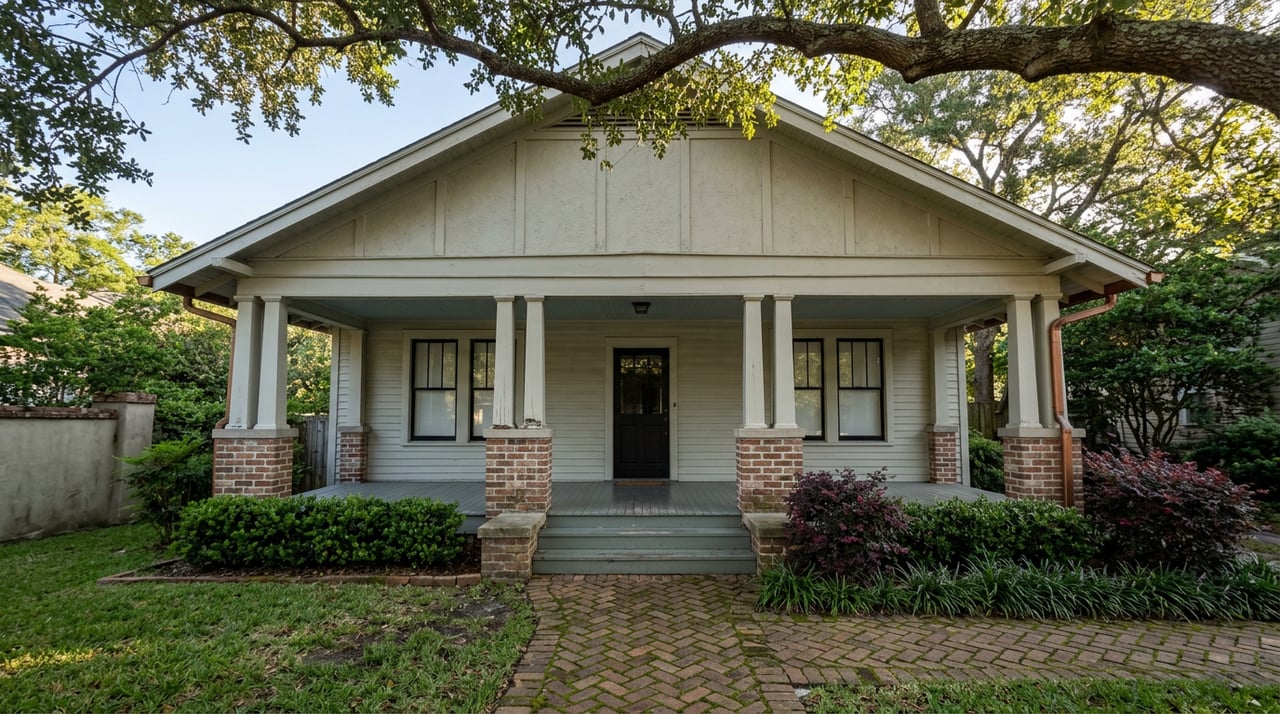
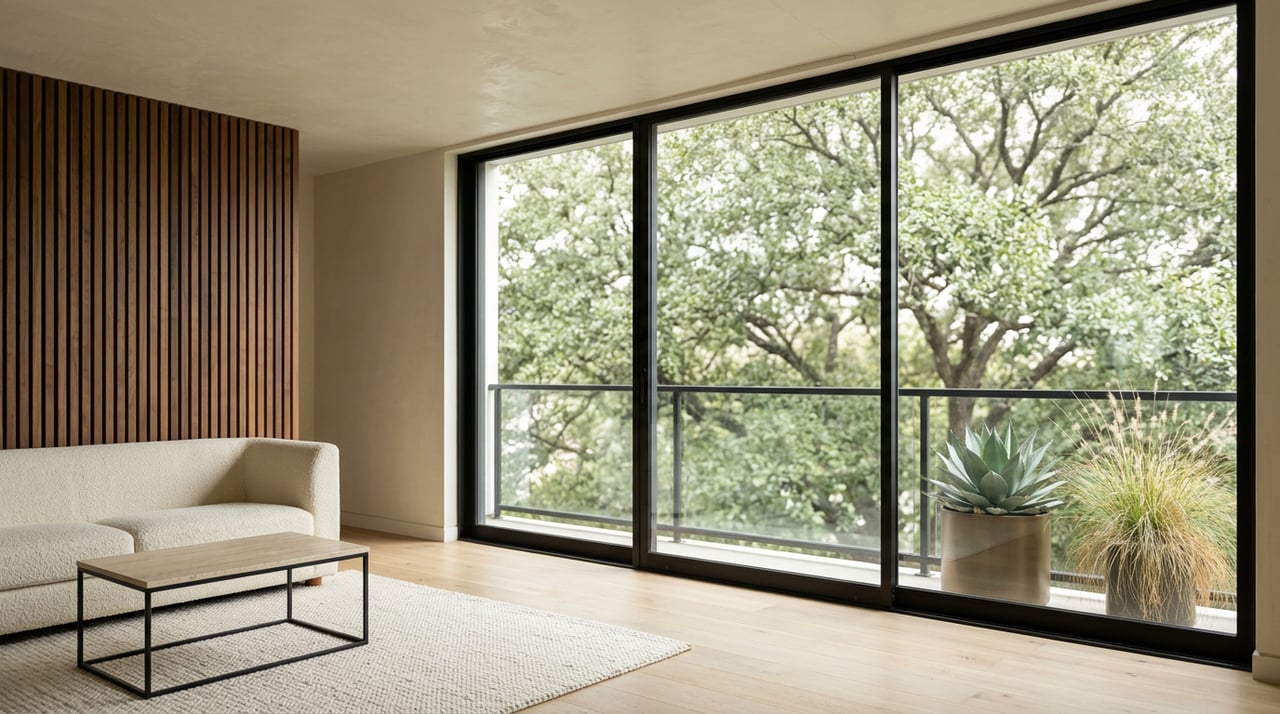
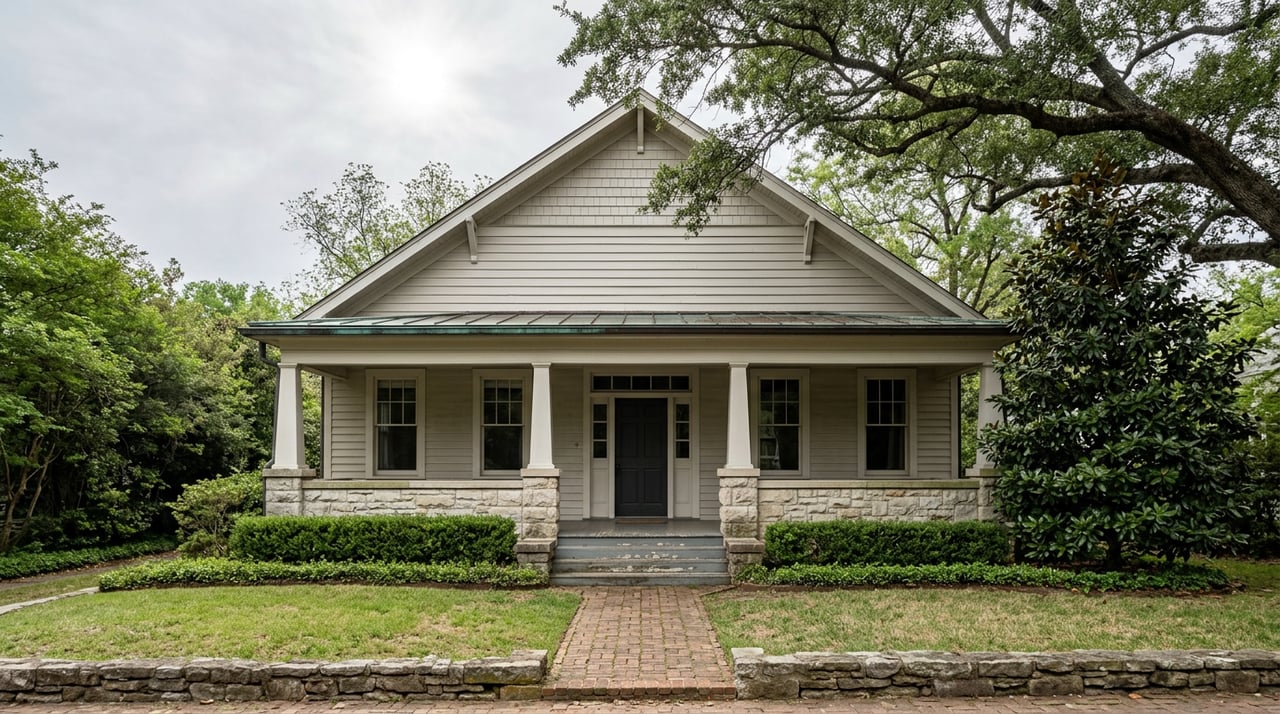
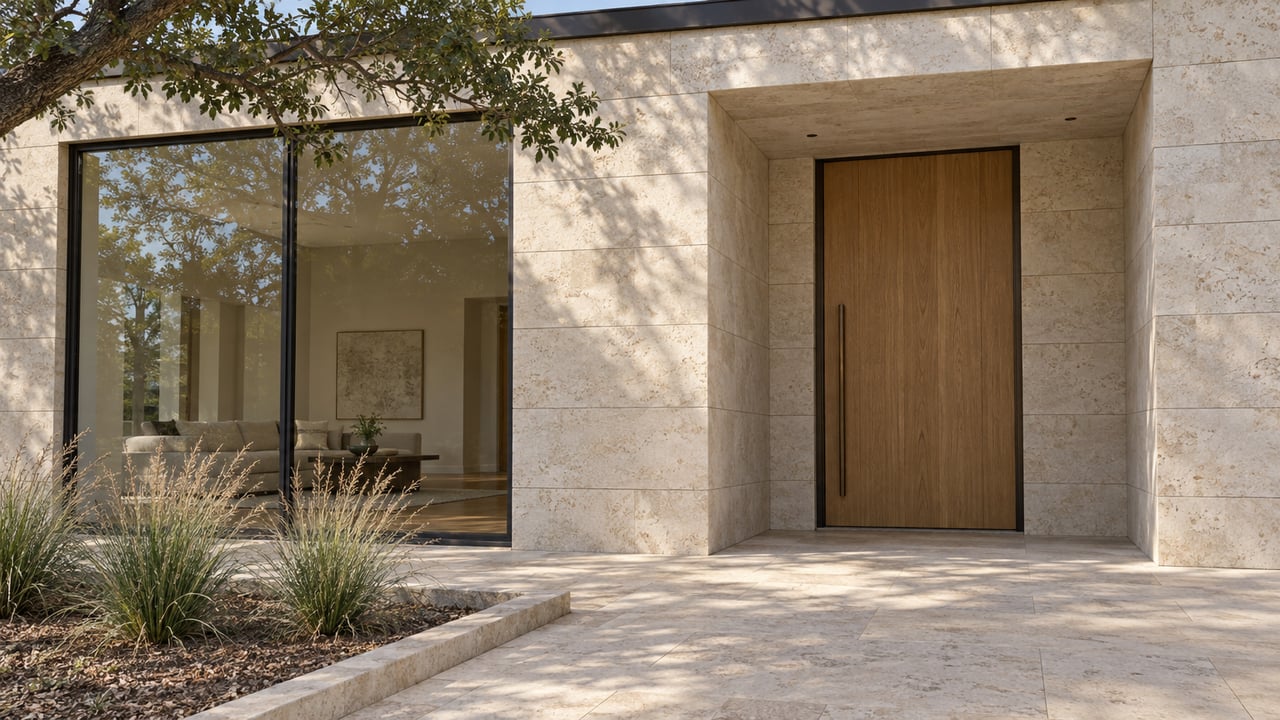
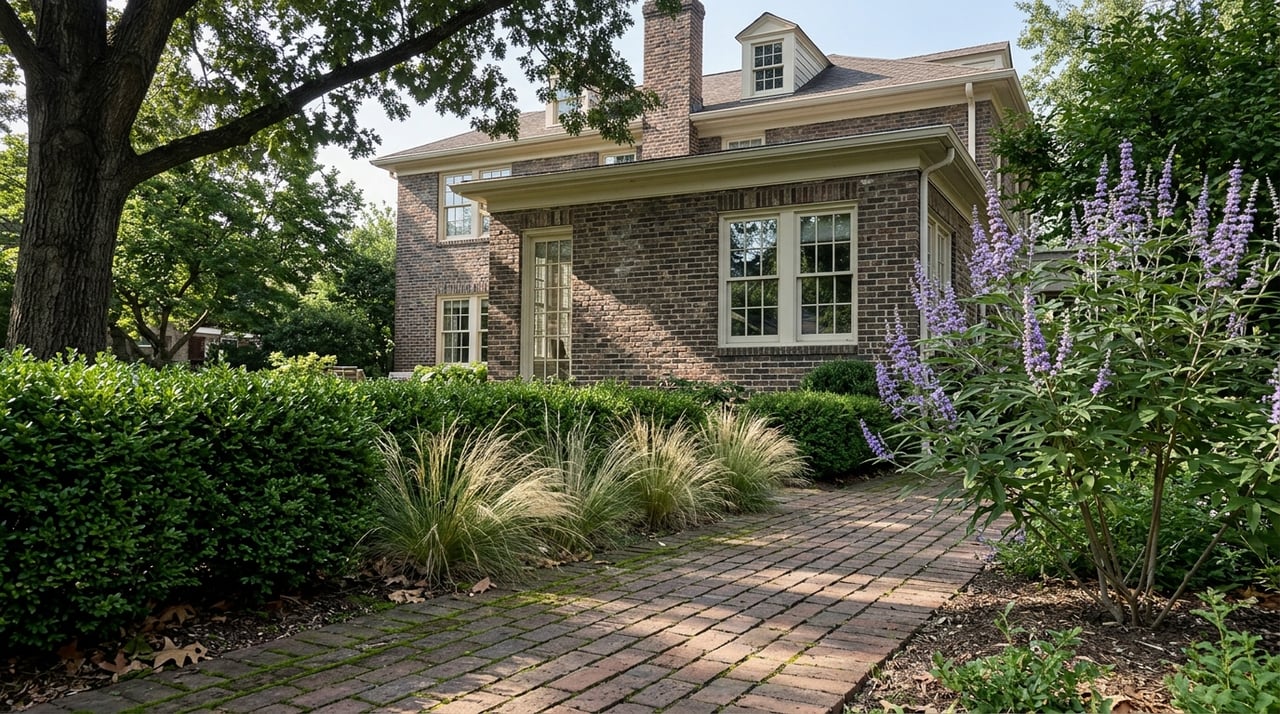
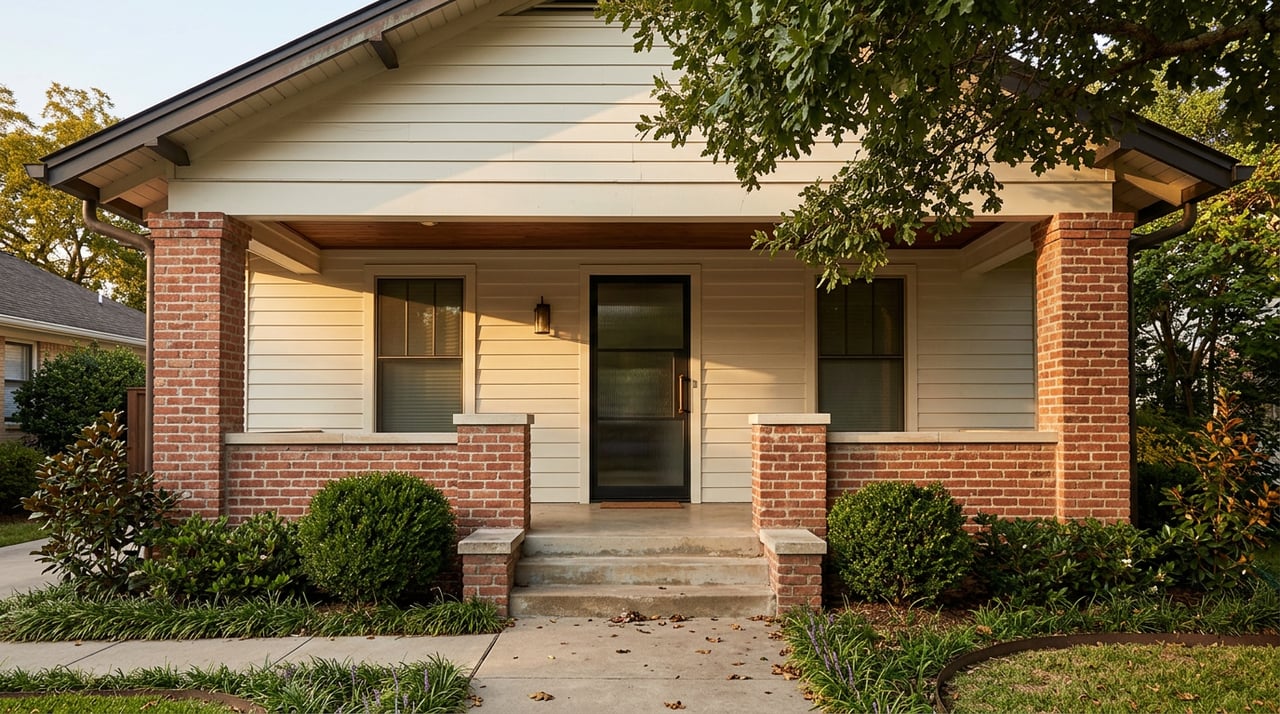
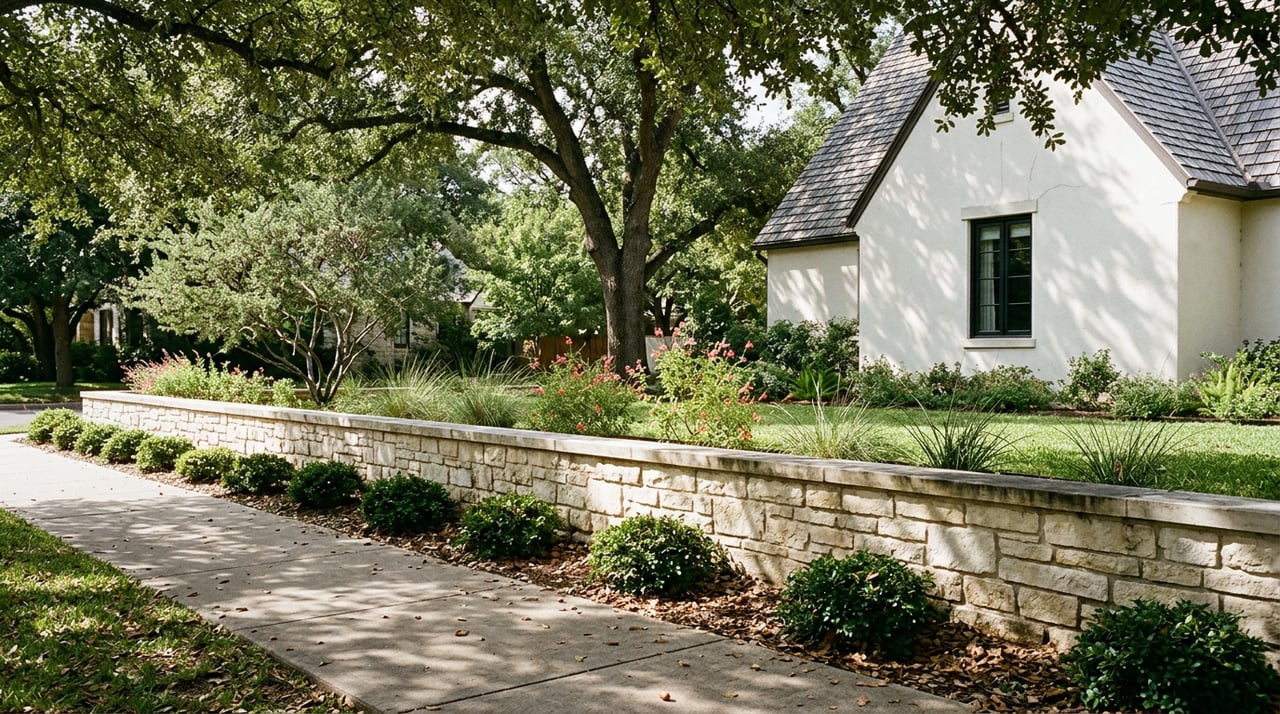
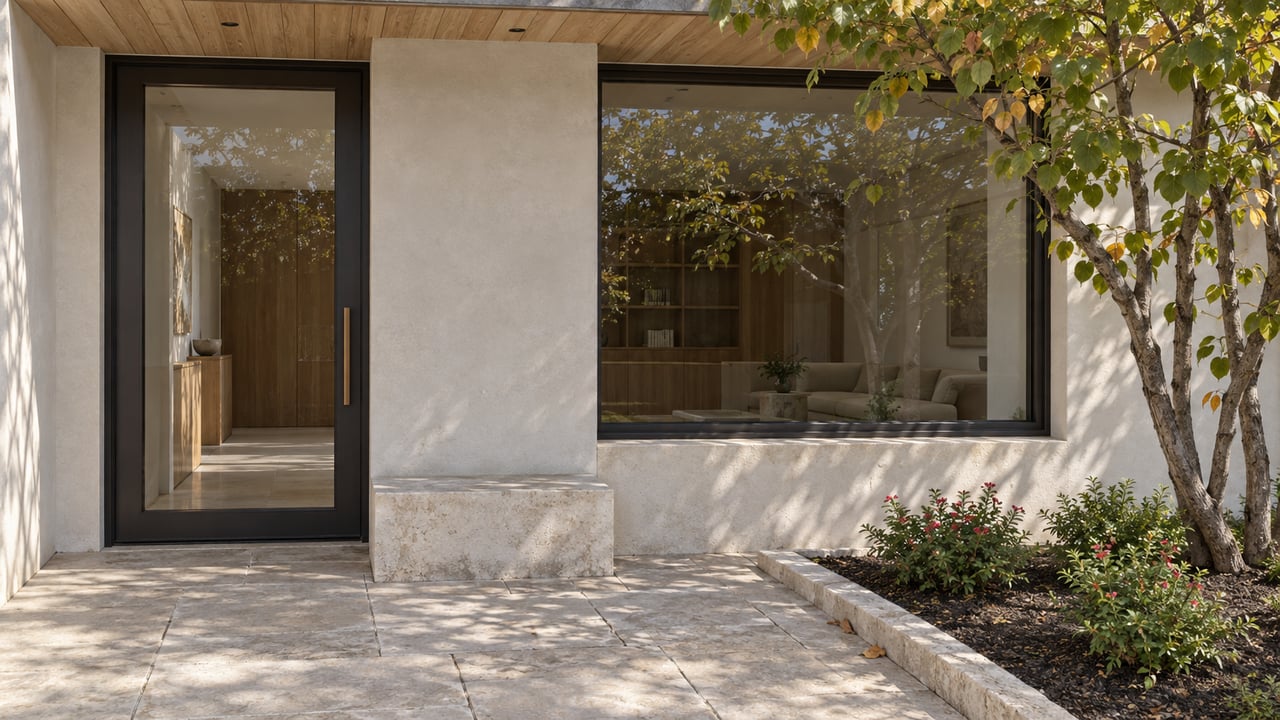
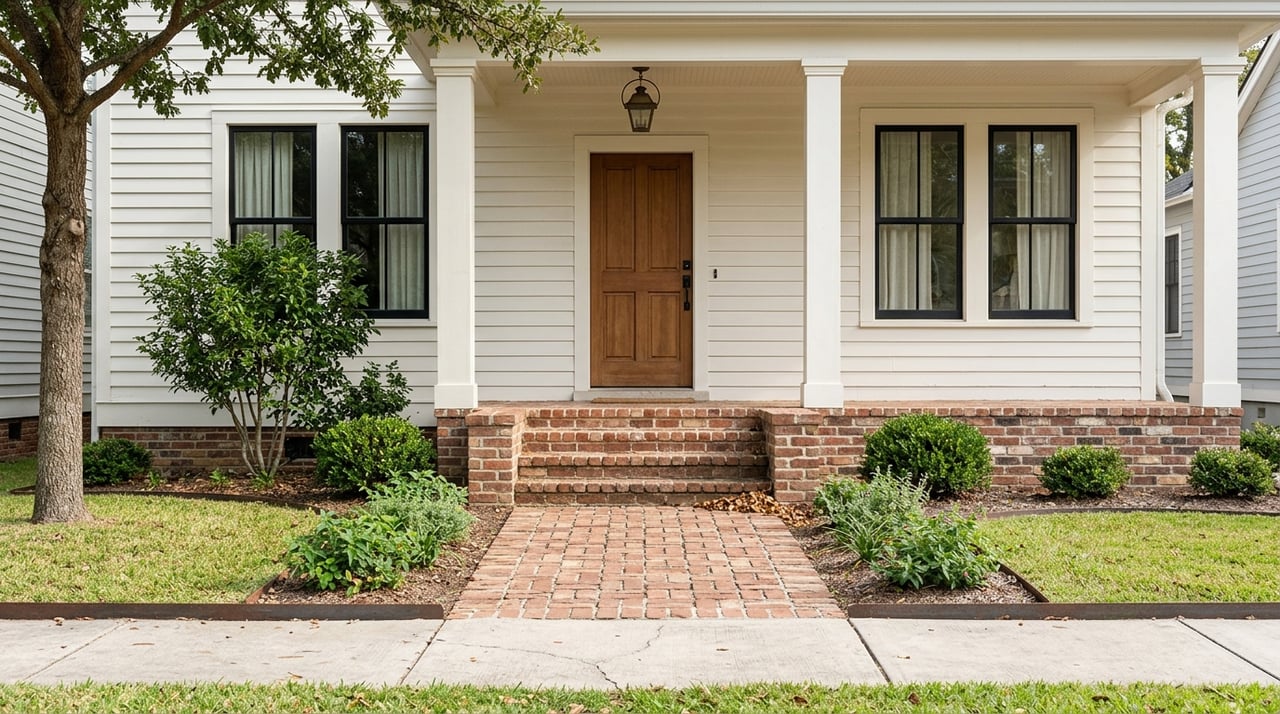
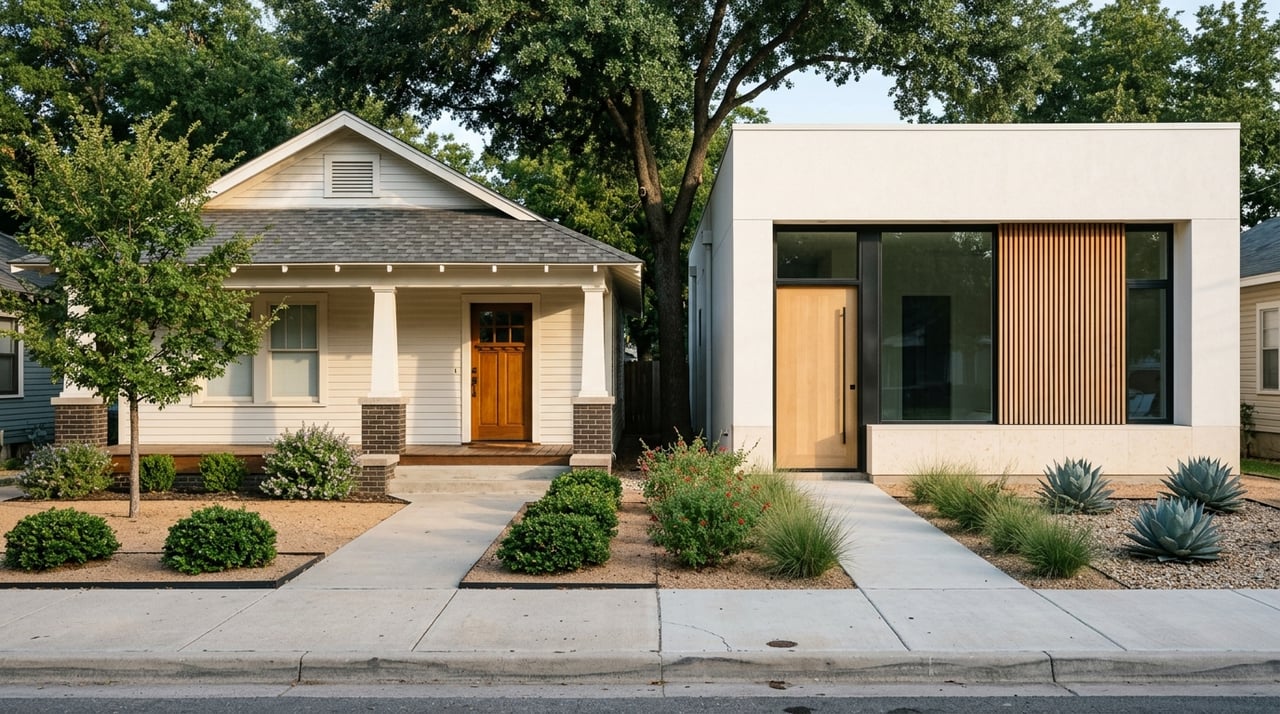
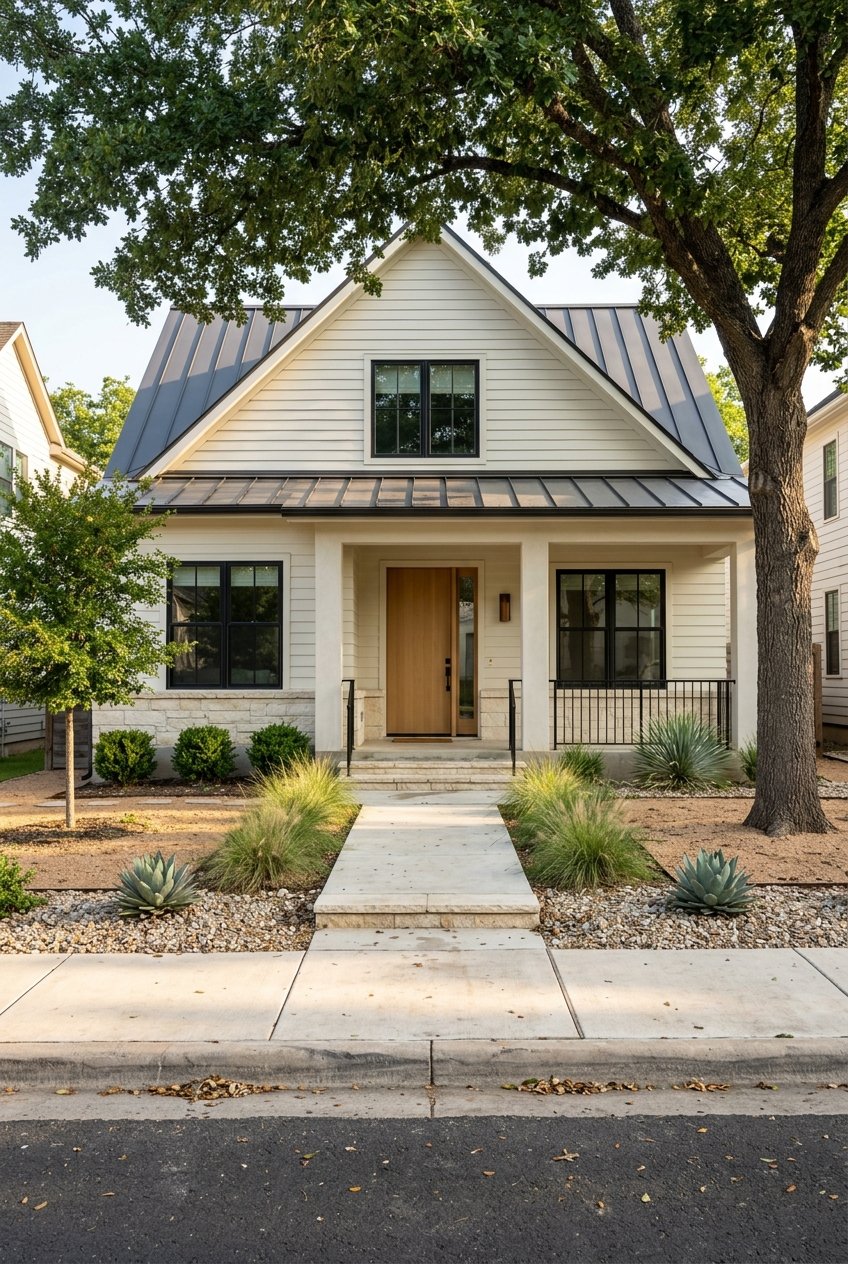
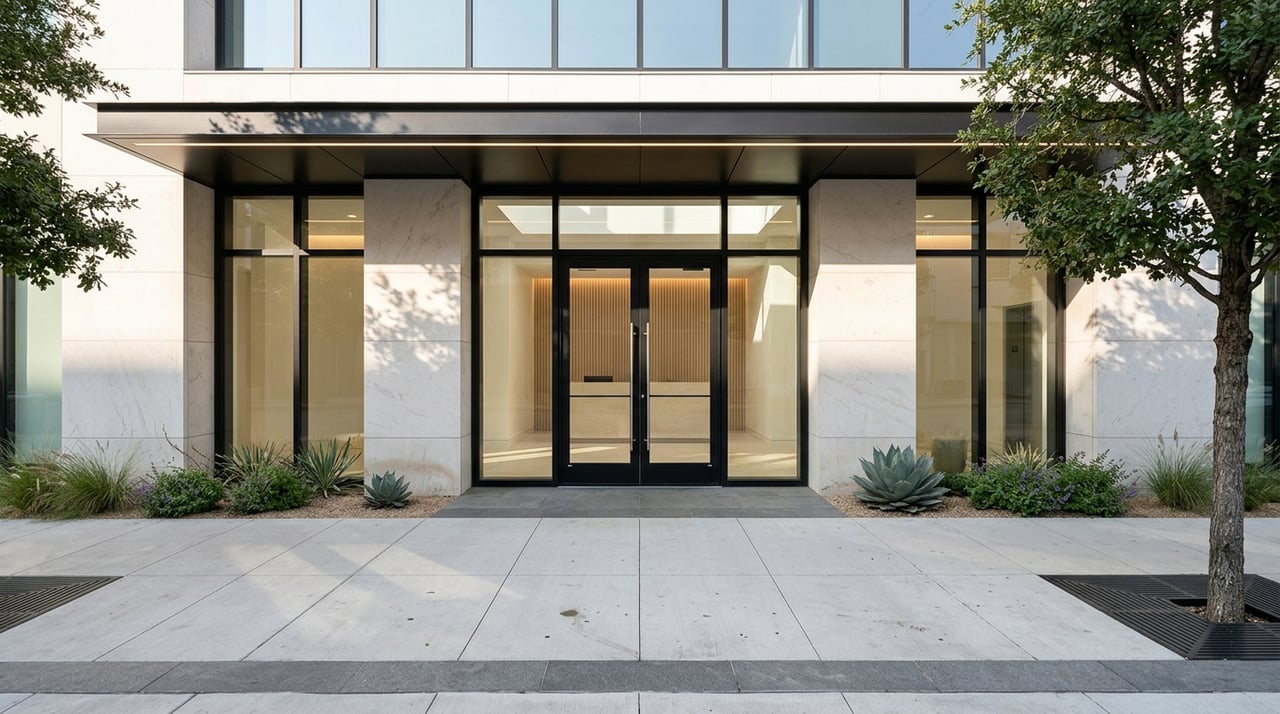
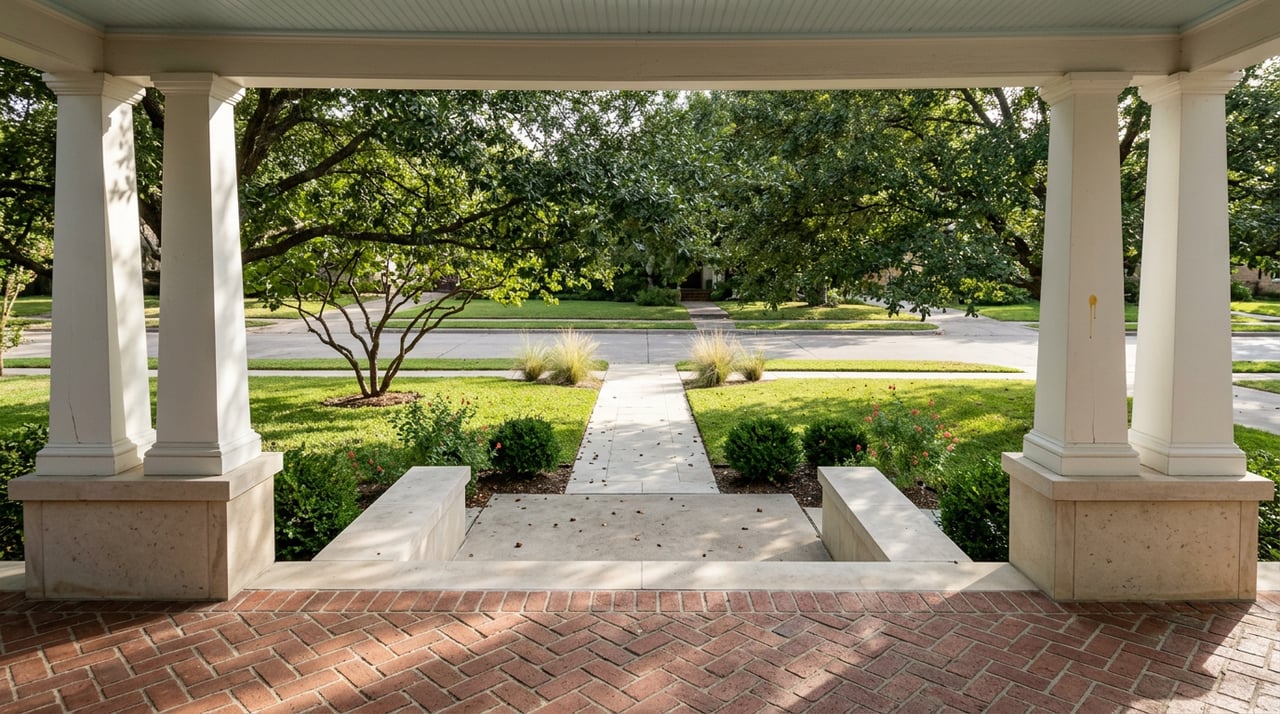
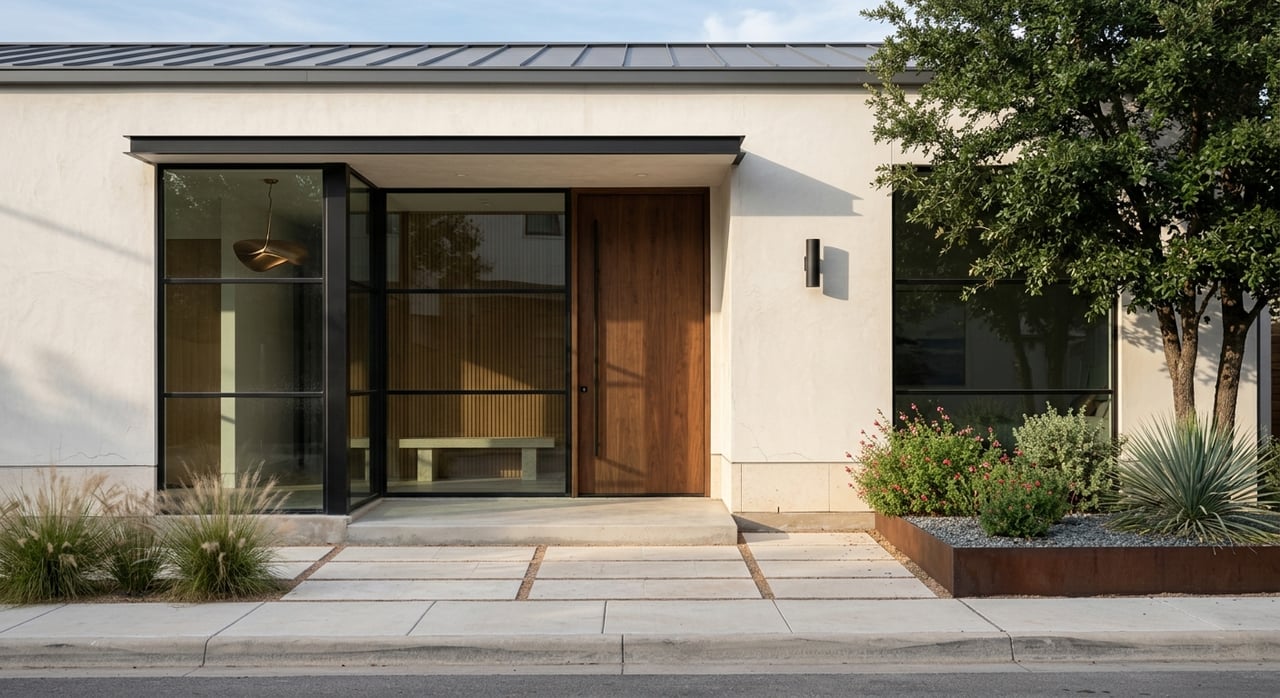
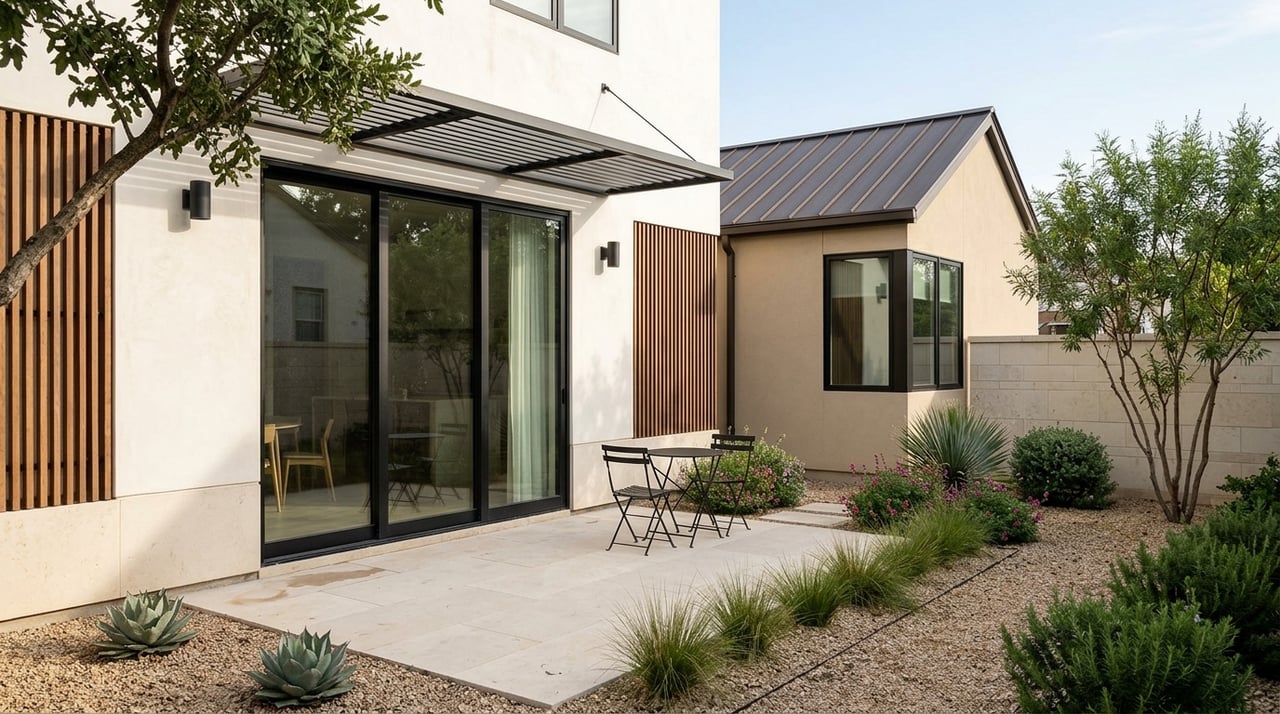
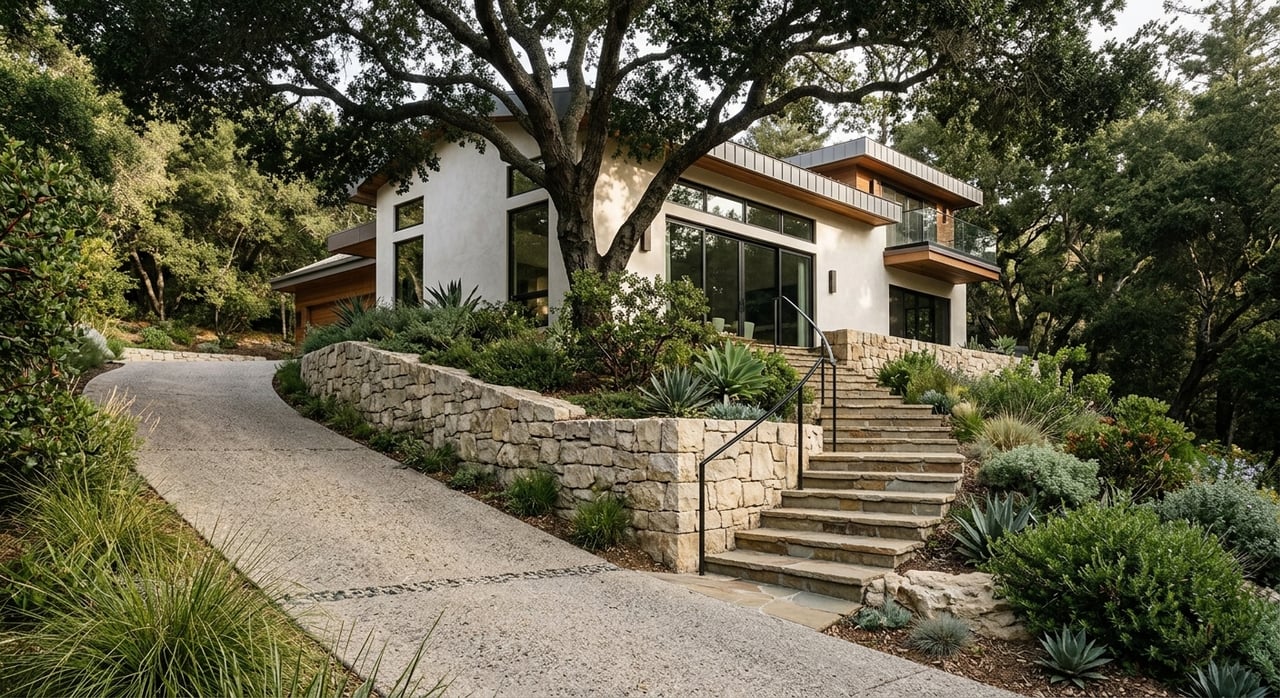
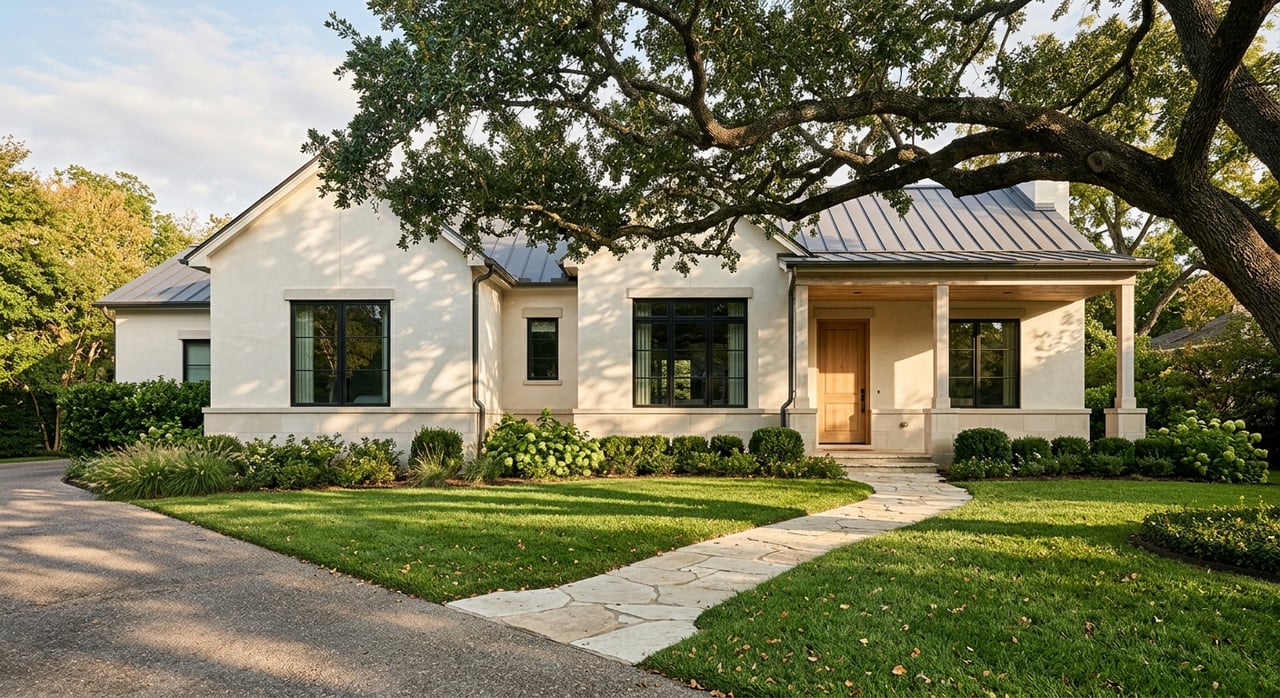
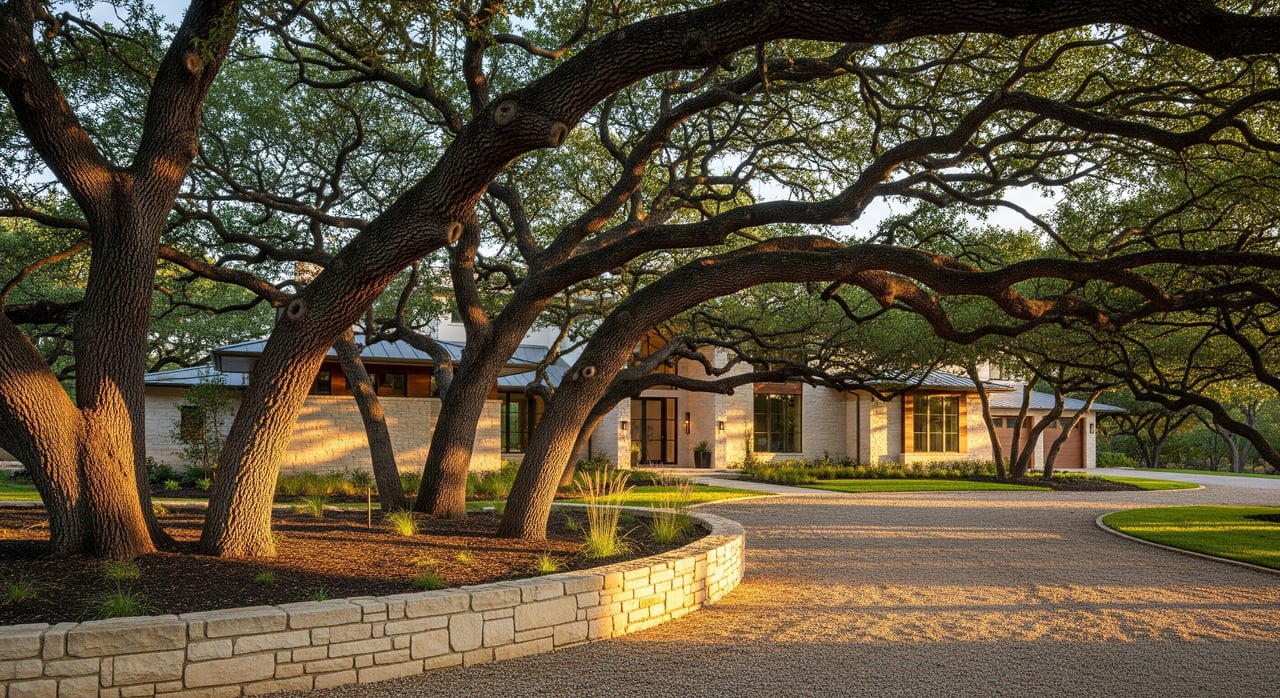
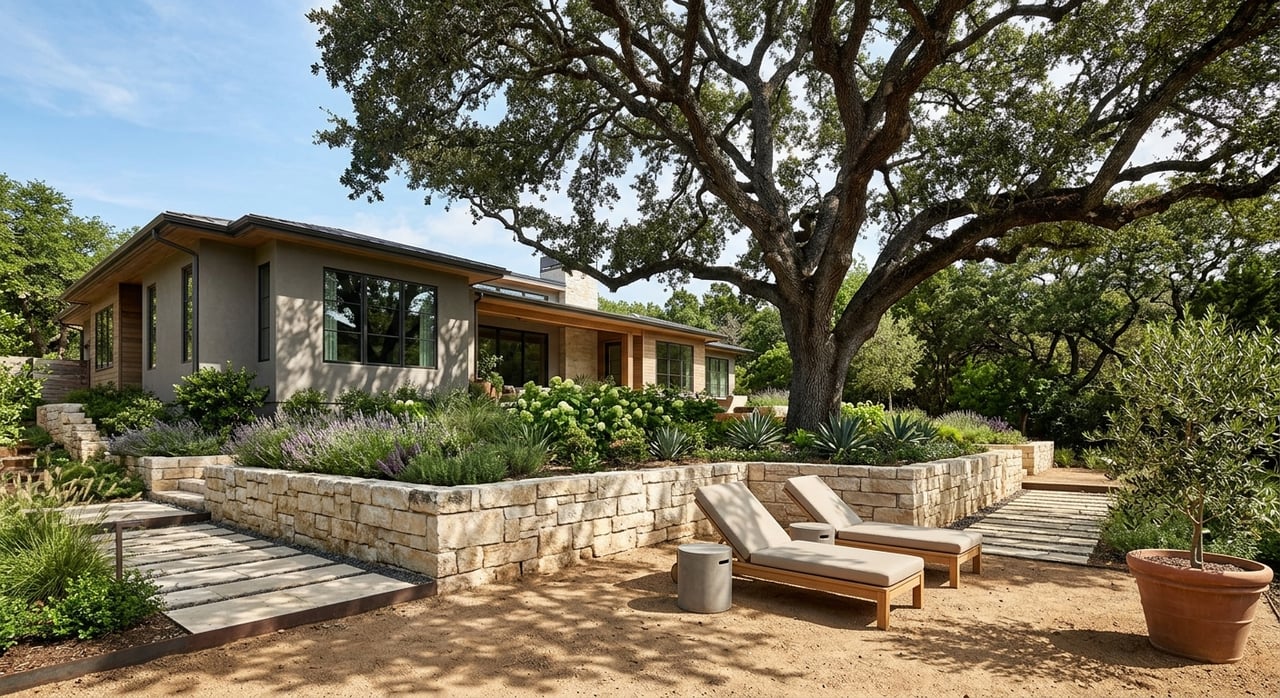
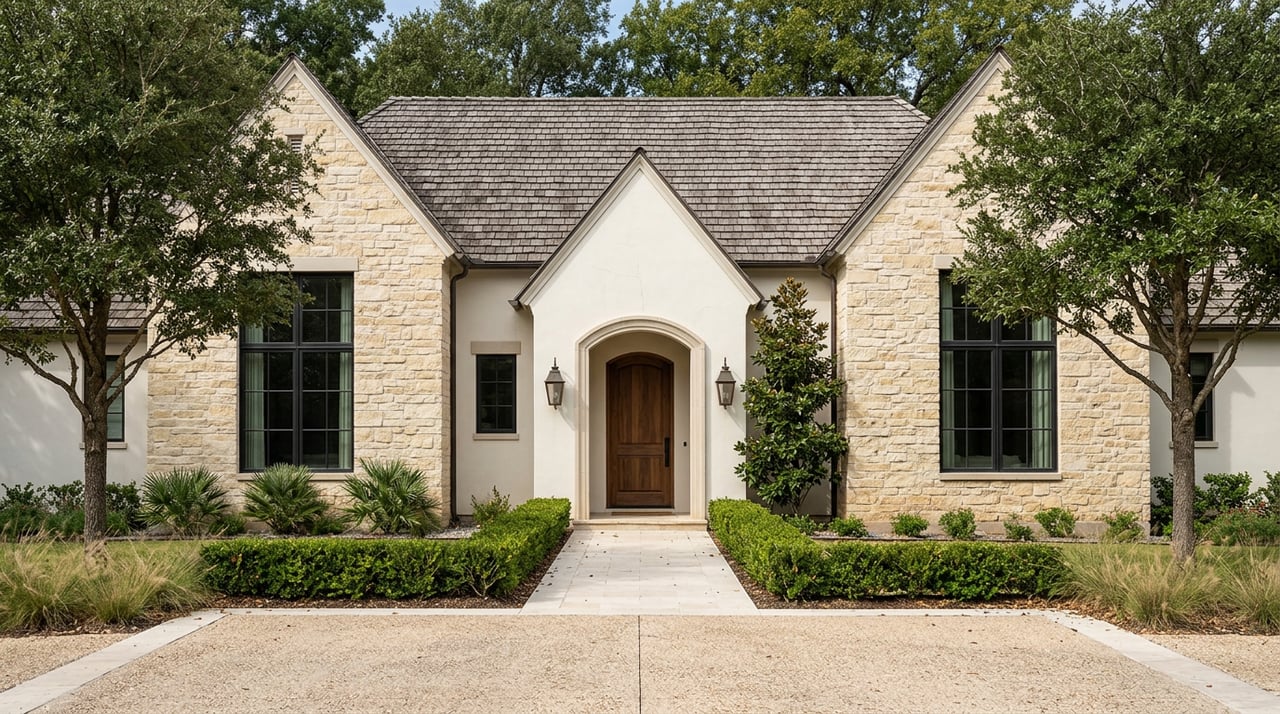
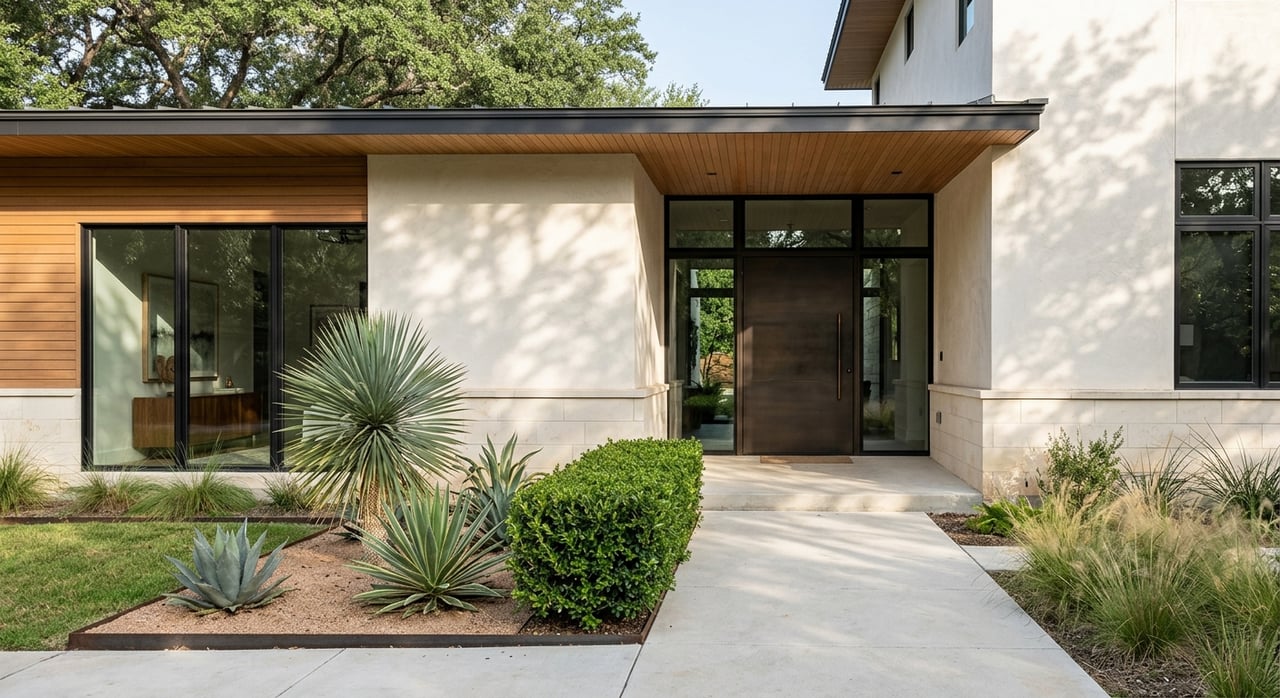
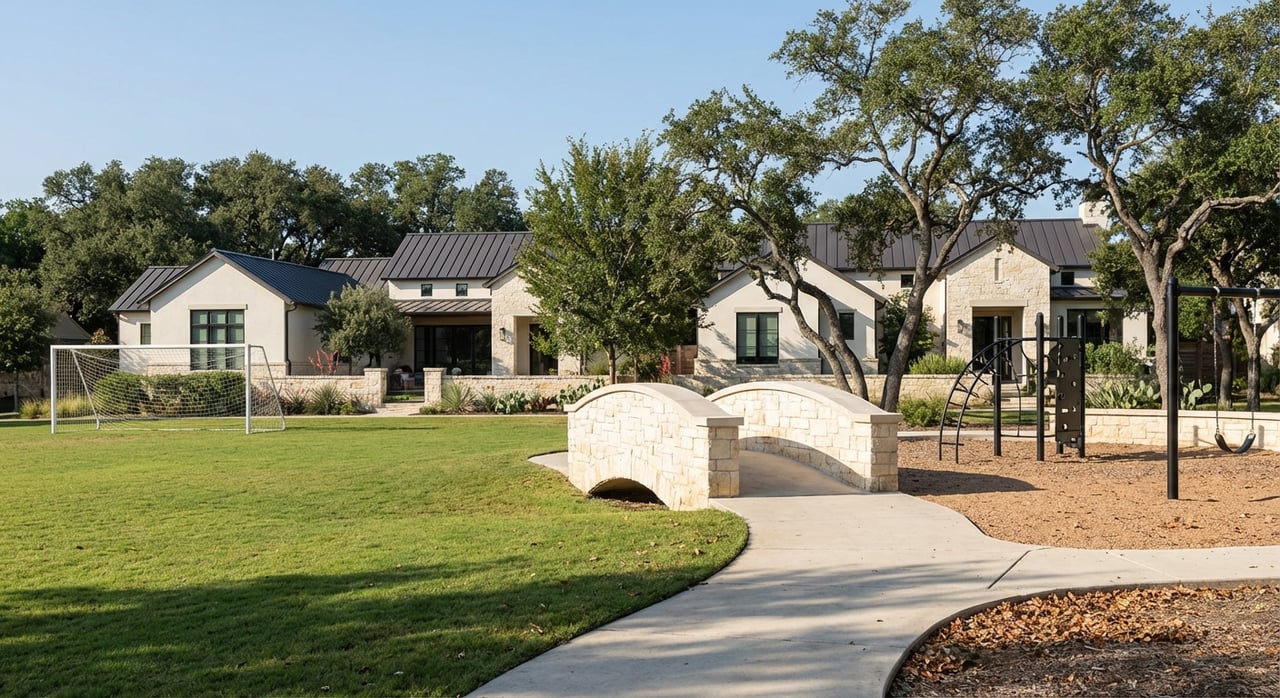
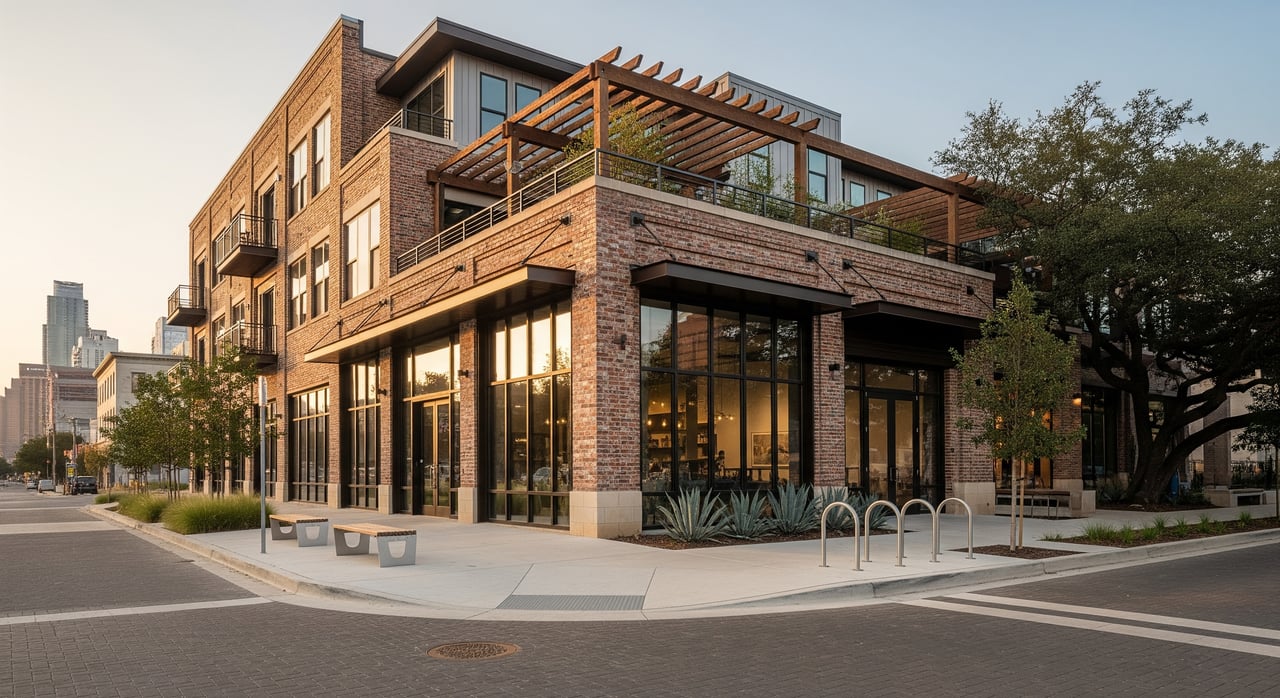
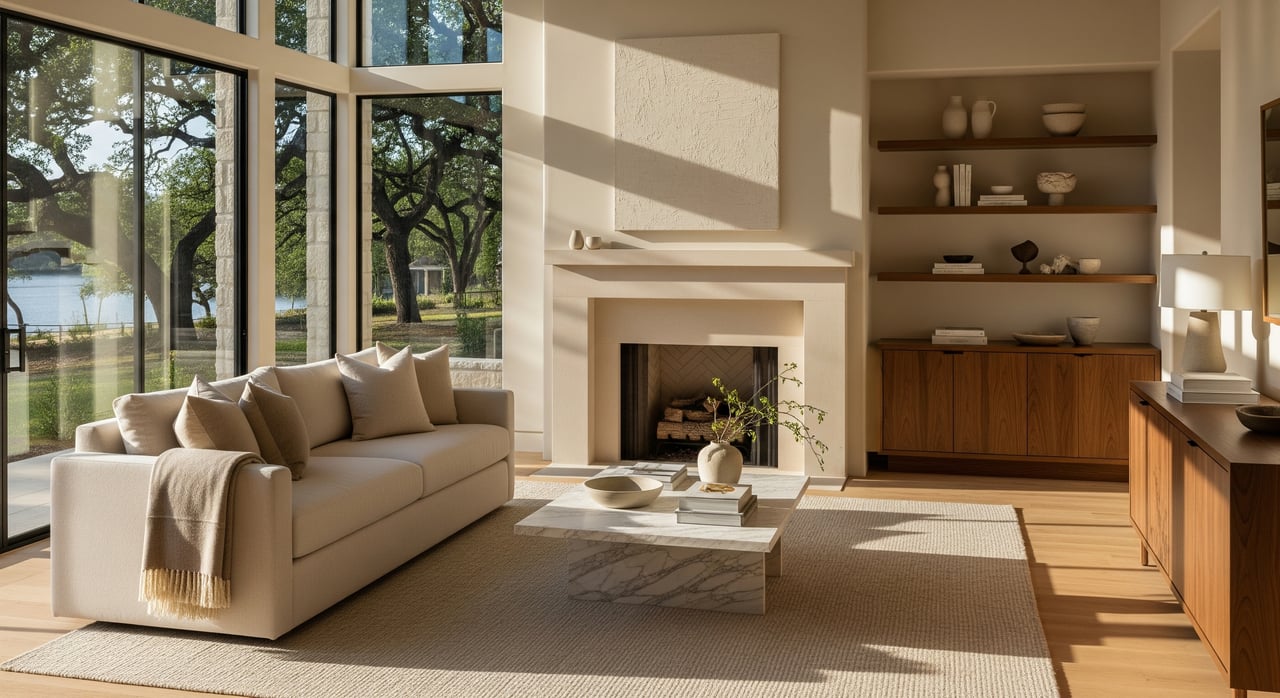
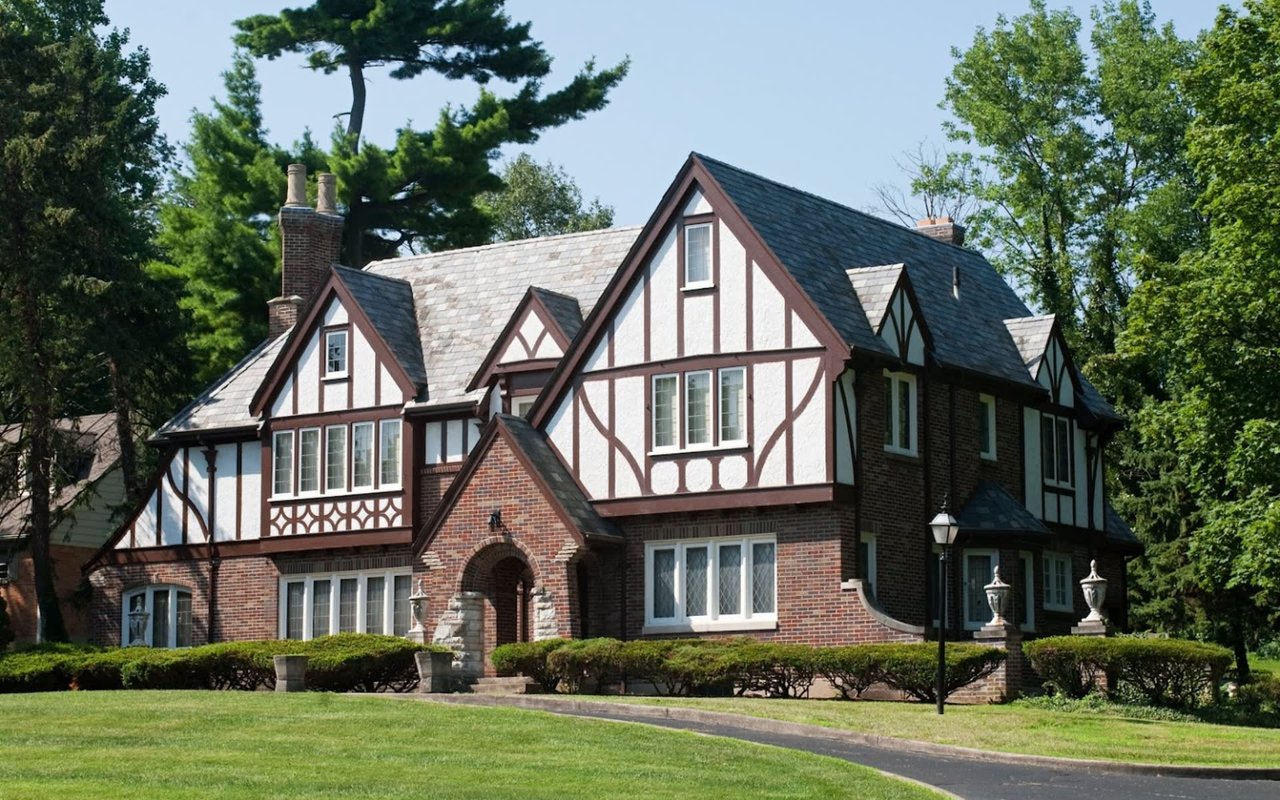
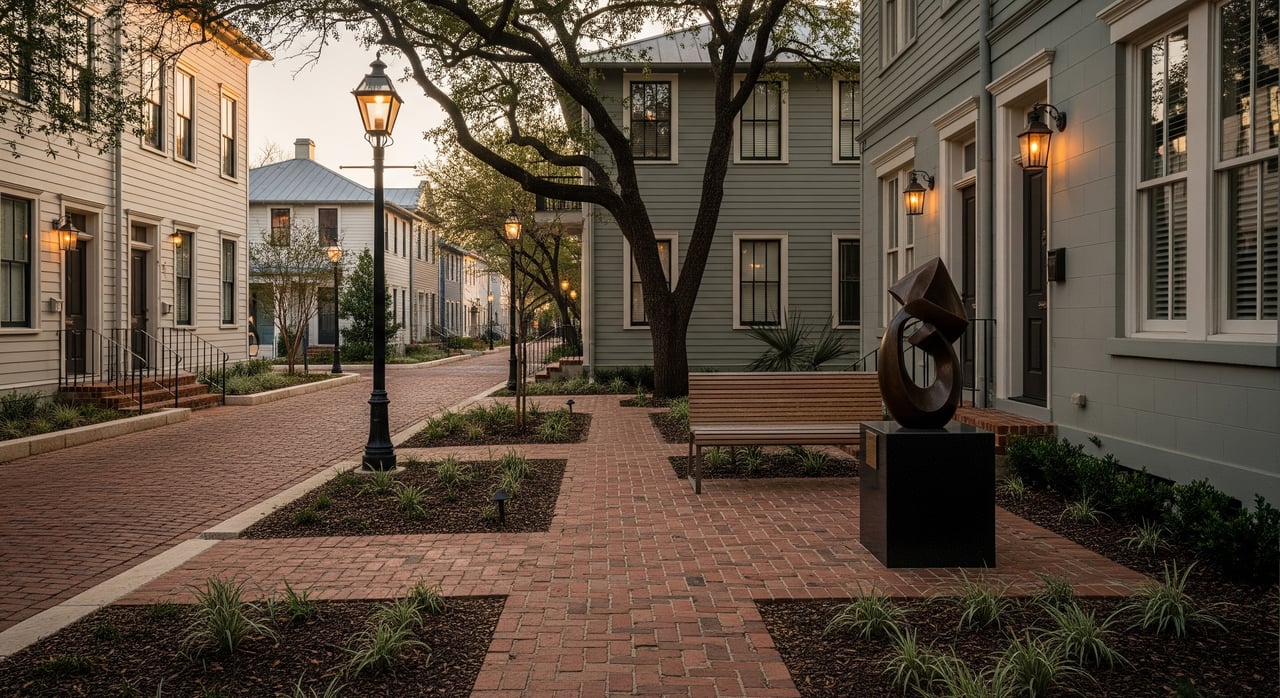
You will find a mix of small-lot historic cottages and bungalows alongside mid-century homes and thoughtful infill. Many blocks have sidewalks, mature trees, and front porches that encourage neighborly moments. The scale stays low-rise and human, not high-density. Older homes may rely on alley access or on-street parking, while newer builds often integrate driveways more explicitly.
If you are planning exterior changes or additions, be mindful of local preservation goals. The City of Austin’s Historic Preservation Office can clarify design guidelines and historic overlays that may affect your plans. It is wise to review permits on recent projects to understand what is typical for remodels and rebuilds nearby.
- Preservation guidance and design context: Historic Preservation Office
- Check permits and development activity: City of Austin Development Services
Everyday mobility
Walkability and proximity
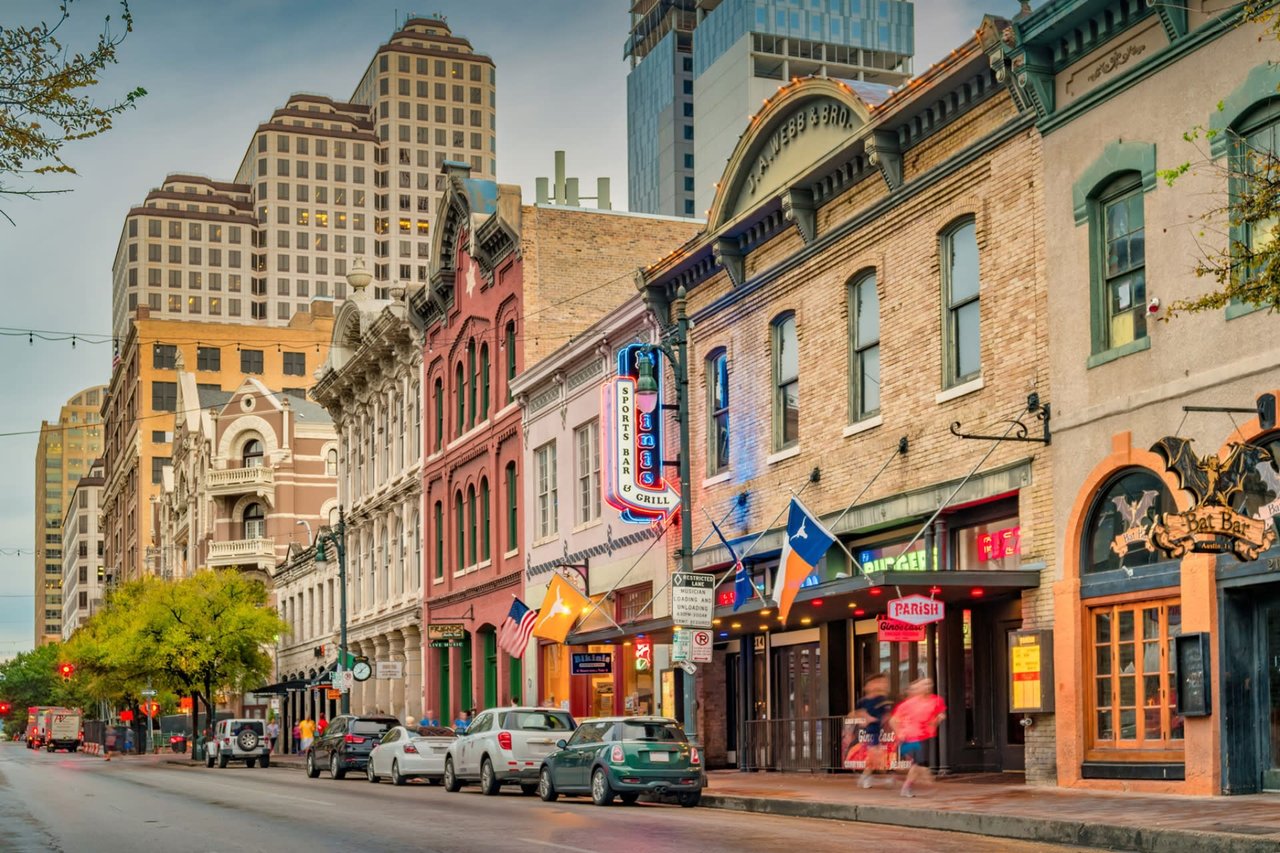
Clarksville’s appeal starts with short, practical walks. Compact blocks put you near neighborhood cafés and dining, the West Sixth Street corridor, and downtown cultural venues. The Seaholm and Block 21 areas sit close enough to feel like an extension of your backyard. If you like to quantify your walk, check a block’s Walk Score and compare routes at different times of day.
- Check a block’s walkability: Walk Score
Transit and biking
You are close to downtown transit corridors, with nearby bus routes and MetroRapid service that can simplify your commute. CapMetro’s trip planner shows exact lines and typical headways for peak and off-peak times. If you prefer two wheels, the City’s bike network offers protected and shared routes into the downtown grid.
- Plan transit options: CapMetro schedules and maps
- Review the bike network: City of Austin Bicycle Program
Driving and parking
Because Clarksville is central, on-street parking can be tight, especially near popular dining corridors. Some blocks use Residential Permit Parking, so visitors and new residents should check rules before relying on street spaces. When driving, access to major arteries makes regional trips straightforward, though peak-hour congestion can slow things down.
- Residential Permit Parking overview: City of Austin program
Arts, coffee, parks
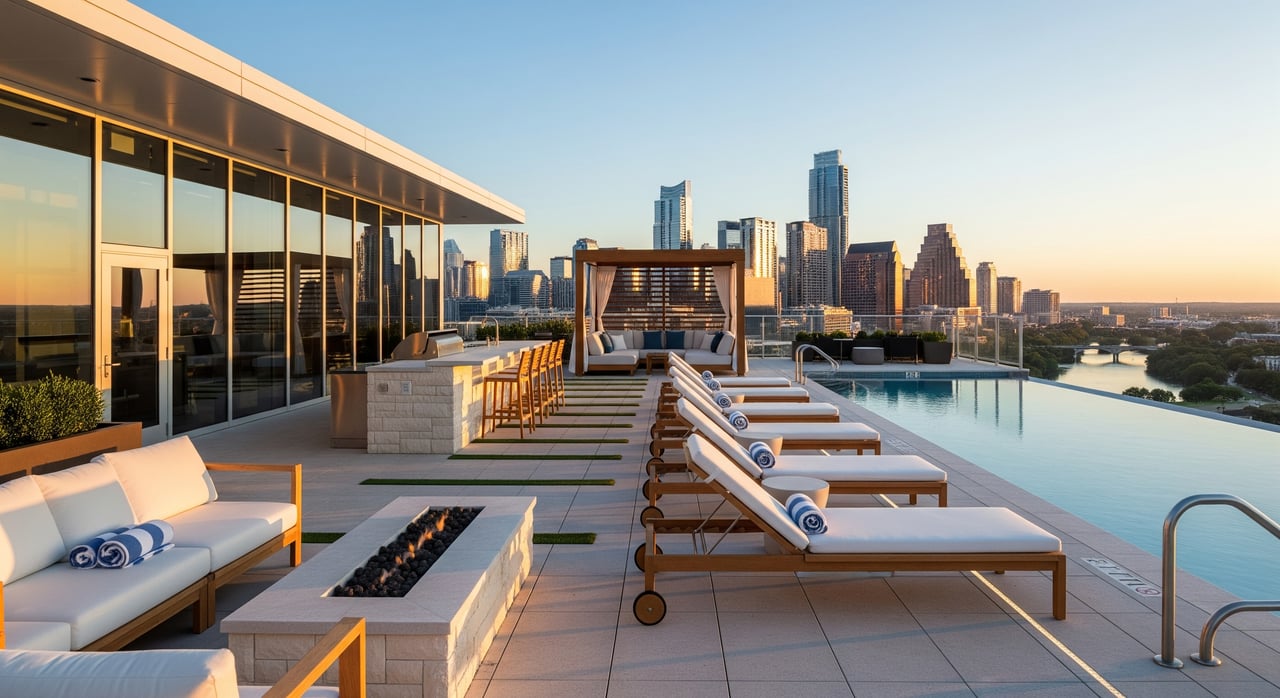
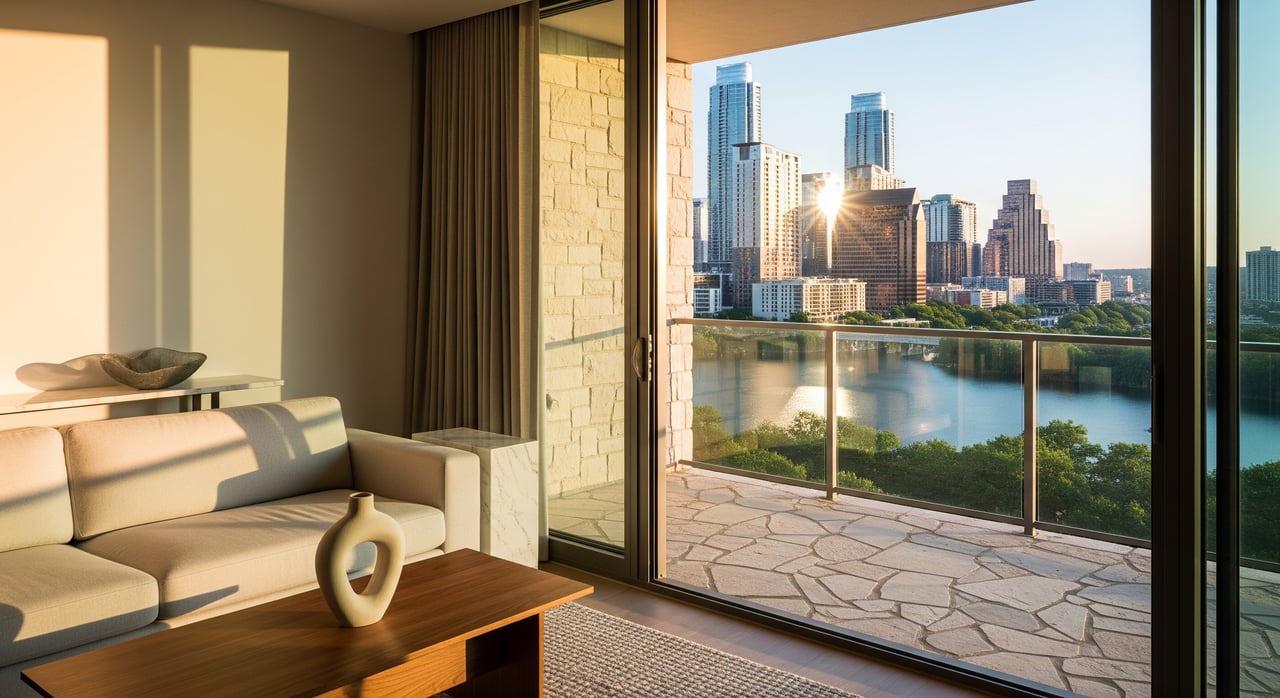
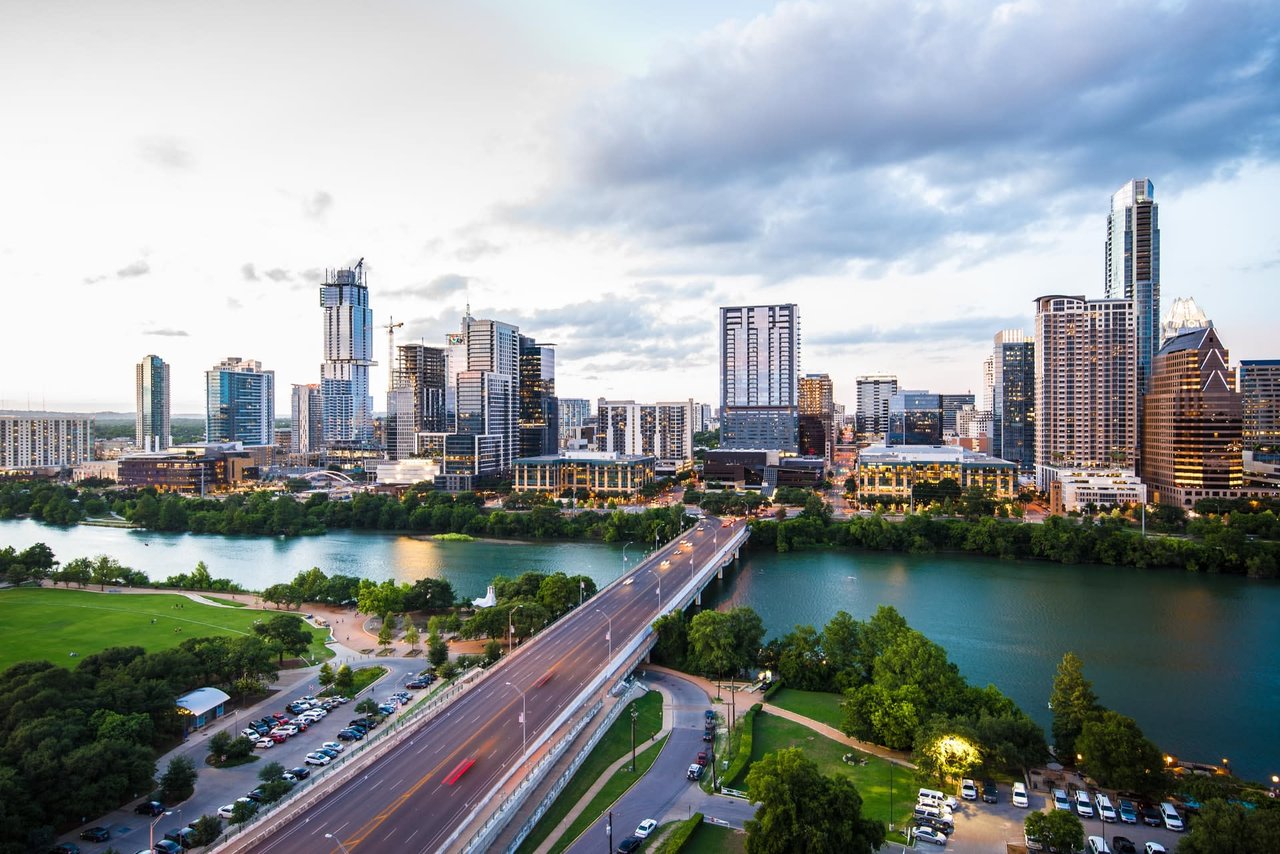
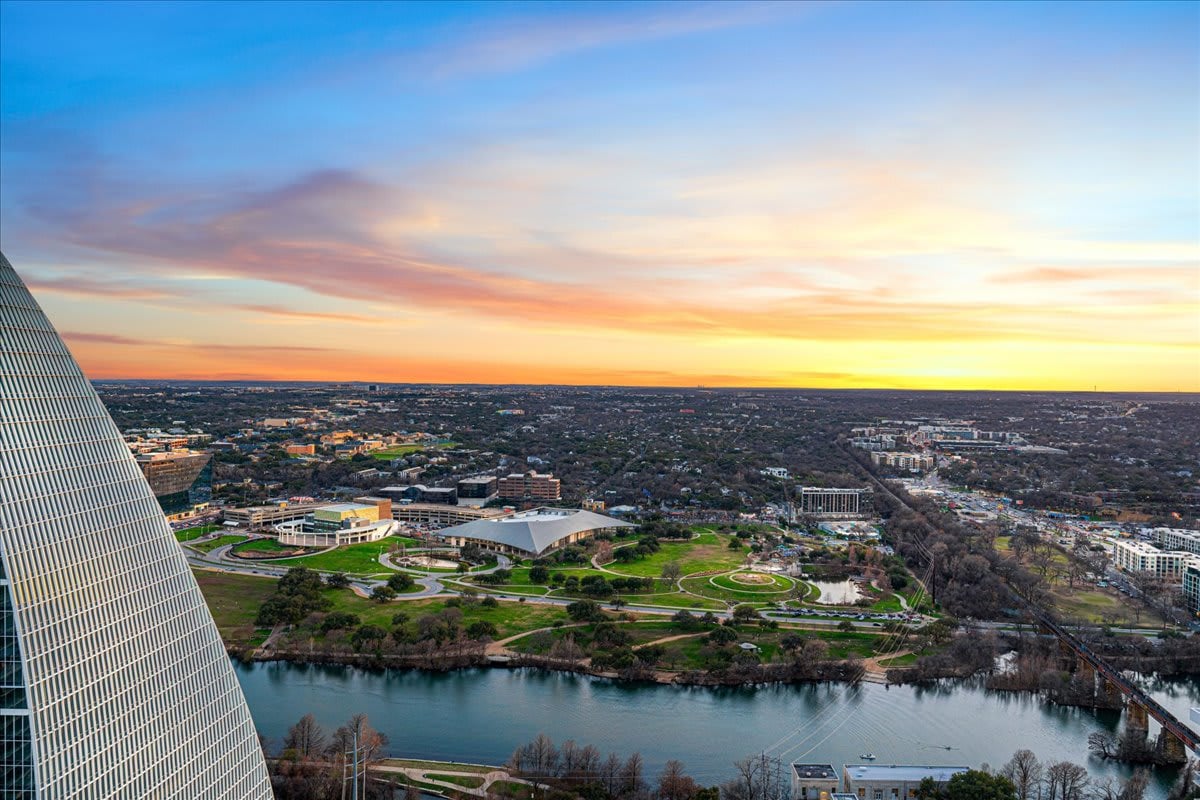
You can start your day with a short walk to an independent café or bakery, then wander toward West Sixth for dinner with friends. Small galleries and creative studios dot the neighborhood and the adjacent downtown blocks, which means openings and pop-ups are part of the weekly rhythm. If outdoor time is a priority, proximity to Lady Bird Lake and its trail system brings morning runs, evening dog walks, and skyline views into your routine.
Even if you keep a busy calendar, Clarksville supports slow moments. A shaded porch, a quick stop at a gallery, or a sunset loop on the trail can be part of everyday life.
Who Clarksville fits
Clarksville tends to attract buyers who want a walkable, central address with character. That includes singles, couples, creative professionals, and downsizers who value proximity to downtown and a low-rise neighborhood feel. If you want a large yard or a suburban layout, the small-lot, urban pattern may feel like a trade-off. Families who prioritize quick access to parks, cultural venues, and short commutes to downtown workplaces often consider Clarksville for its location.
What to consider before you buy
Use this checklist to focus your search and avoid surprises:
Historic context and design: Review potential historic overlays and design guidelines with the Historic Preservation Office. Ask about exterior changes, demolitions, and compatibility standards.
Renovations and rebuilds: Scan recent permits and typical timelines through Development Services. This helps set expectations about scope and approvals.
Parking and permits: Confirm whether your block has Residential Permit Parking and how guest passes work via the City’s program.
Walkability test: Check Walk Score for a specific address and do your own timed walks to cafés, parks, and a grocery or restaurant.
Transit and bike routes: Use CapMetro for exact bus lines and headways, and the City Bicycle Program to map safe routes.
Noise and nightlife: Visit during weekday afternoons and weekend evenings to gauge activity near West Sixth and downtown edges.
Flood awareness: Review parcel-level risk using the FEMA Flood Map Service Center and the City’s floodplain information to understand local conditions.
City floodplain and safety information: City of Austin flood resources
How a day in Clarksville feels
Picture a quiet morning under mature trees, a short stroll to coffee, and a mid-day walk to meet a friend along the lake. In the afternoon, bike downtown for a show or stop by a gallery opening. Dinner might be a casual spot on West Sixth, then a quick walk home on a well-lit, familiar route. The neighborhood’s scale keeps your day close, and its history and arts scene add depth to the routine.
Buy with confidence
Choosing Clarksville is about fit. You want a home that supports walkable, artful living and a plan that respects the neighborhood’s fabric. When you are ready to move from browsing to strategy, work with a boutique advisor who understands both the market and the design considerations that come with central Austin addresses. For private, high-touch guidance and access to on- and off-market opportunities, connect with Nina Seely.
FAQs
What and where is Clarksville in Austin?
- Clarksville is a compact, historic neighborhood just west of downtown Austin, known for its walkable blocks and proximity to dining, arts, and parks.
How walkable is Clarksville for daily errands?
- Walkability is strong in many blocks due to compact streets and nearby amenities; confirm at a specific address with Walk Score and your own timed walks.
Does Clarksville have historic rules that affect renovations?
- Some properties may be subject to historic overlays or design guidance; consult the City’s Historic Preservation Office before planning exterior changes.
What are the parking rules on residential streets?
- On-street parking can be limited and some blocks use permits; check the Residential Permit Parking program for current rules.
What public transit options serve the area?
- Nearby CapMetro bus corridors and MetroRapid service connect to downtown; see specific routes and headways using CapMetro schedules and maps.
Is flood risk a concern near Clarksville?
- Always verify at the parcel level using the FEMA Flood Map Service Center and the City’s flood resources for local context.
What types of homes are common in Clarksville?
- Expect historic cottages and bungalows, mid-century homes, and thoughtful infill like townhomes or small-lot new construction, generally in a low-rise, pedestrian-oriented pattern.