Your Guide to Choosing the Right Downtown Austin Condo
Because where you live shapes how you live, choosing a downtown Austin residence should feel intentional, not overwhelming. Downtown offers distinct districts, architectural styles, and HOA structures, each shaping daily life in a different way.
This guide helps you understand how each area lives, how building types differ, what truly matters inside HOA documents, and how to narrow your options with clarity and confidence.
Choose your district fit
Rainey Street: nightlife and lake access
Rainey blends high-rise living with a lively restaurant and bar scene. You can walk to Lady Bird Lake trails, grab dinner downstairs, and enjoy newer towers with modern amenities. If you love an active evening atmosphere and quick lake access, Rainey could fit you.
- Pros: Vibrant nightlife, short walks to the lake, many luxury towers with full-service amenities.
- Cons: Nighttime noise and foot traffic, narrow streets, tighter parking, and occasional bar or event noise by tower.
- Considerations: Check flood proximity near Lady Bird Lake. Review garage ventilation and entry security given the narrow-street setting.
Seaholm District: modern mixed-use
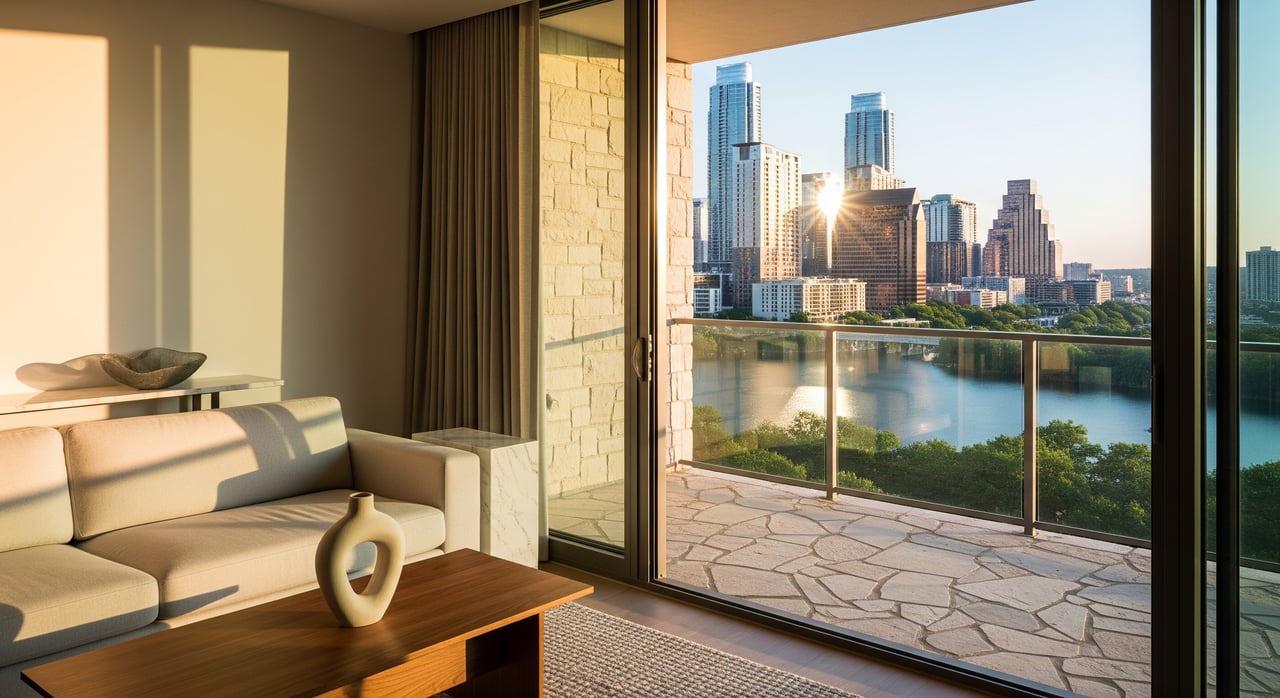
Seaholm offers a refined, urban feel with integrated retail and easy access to the lake. It is typically quieter at night than Rainey while staying close to downtown employers and cultural spots. Many buildings are contemporary with strong walkability.
- Pros: Walkable streets, newer construction, integrated retail, easy access to trails and Congress Avenue.
- Cons: Often higher price per square foot and varying sun and view angles by building.
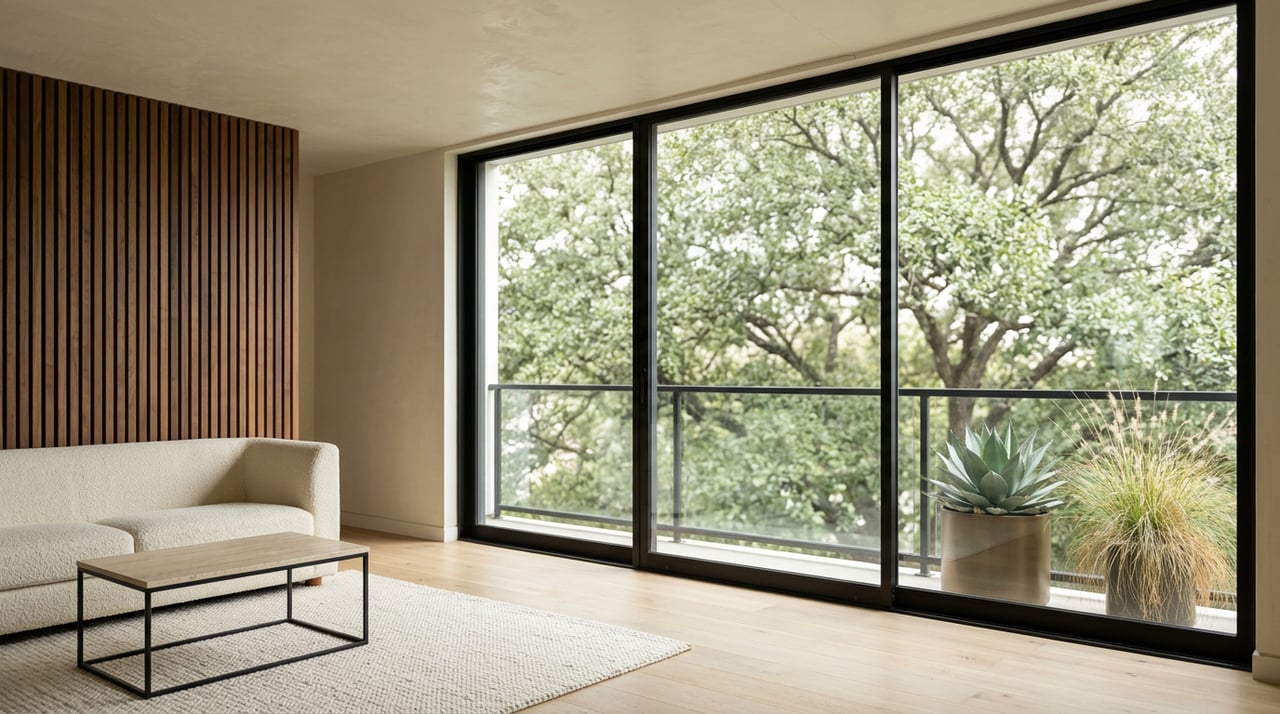
- Considerations: Many layouts have extensive glass. Plan for privacy and solar control to manage light and temperature.
2nd Street District: retail core and culture
This area functions as downtown’s main street, filled with boutiques, restaurants, and cultural programming.
Best for those who want to be in the center of it all with convenient transit and daily activity.
Advantages
• Central location
• Strong retail and dining presence
• Excellent connectivity
Consider thoughtfully
• Daytime foot traffic
• Street activity during events
Warehouse District: historic texture
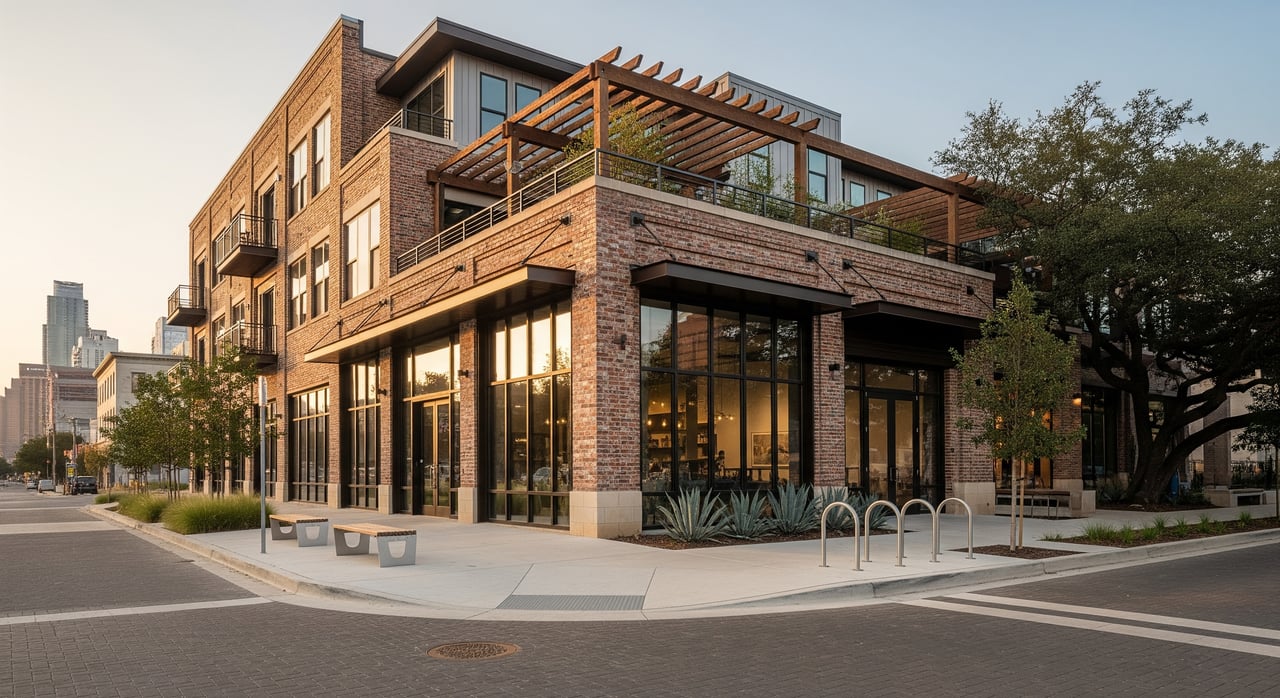
Historic character meets downtown living. Converted lofts sit alongside newer towers, offering texture, personality, and proximity to arts venues.
Best for buyers who value architectural character and a lively evening scene.
Advantages
• Distinctive loft architecture
• Walkable to core venues
• Strong sense of place
Consider thoughtfully
• Older systems in conversions
• Nightlife noise can be elevated
Know your building type
Luxury high-rise
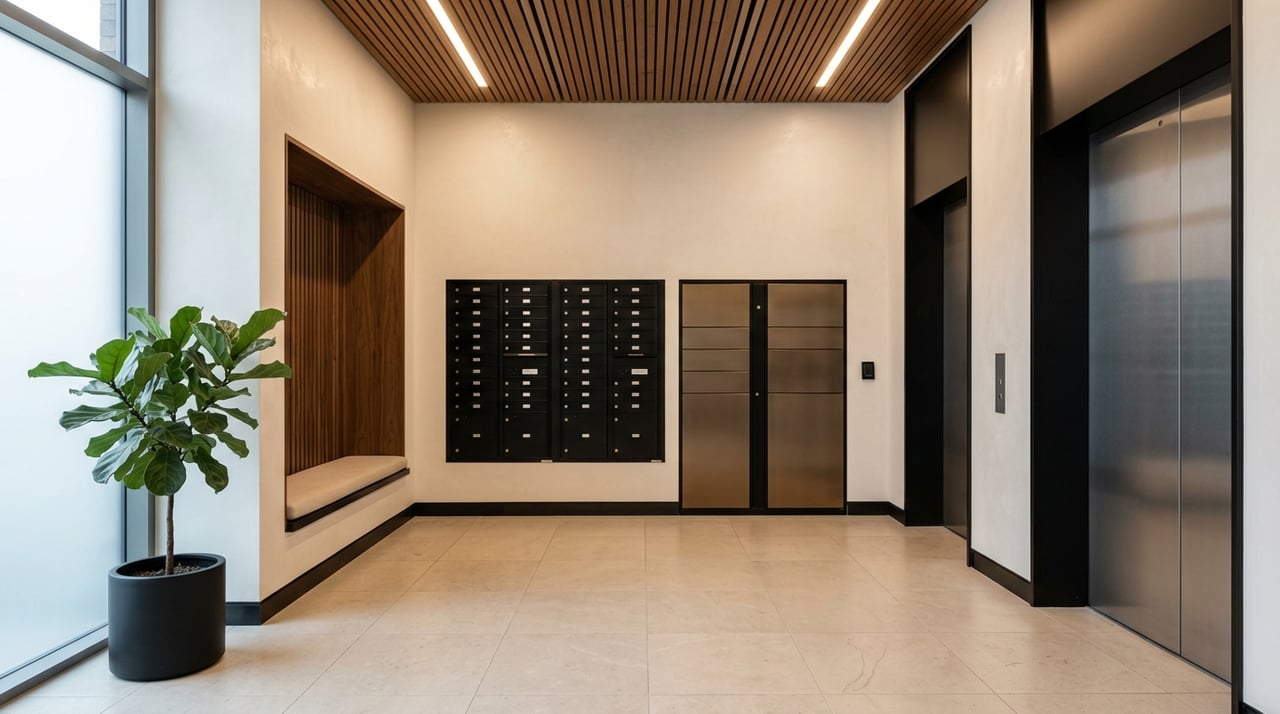
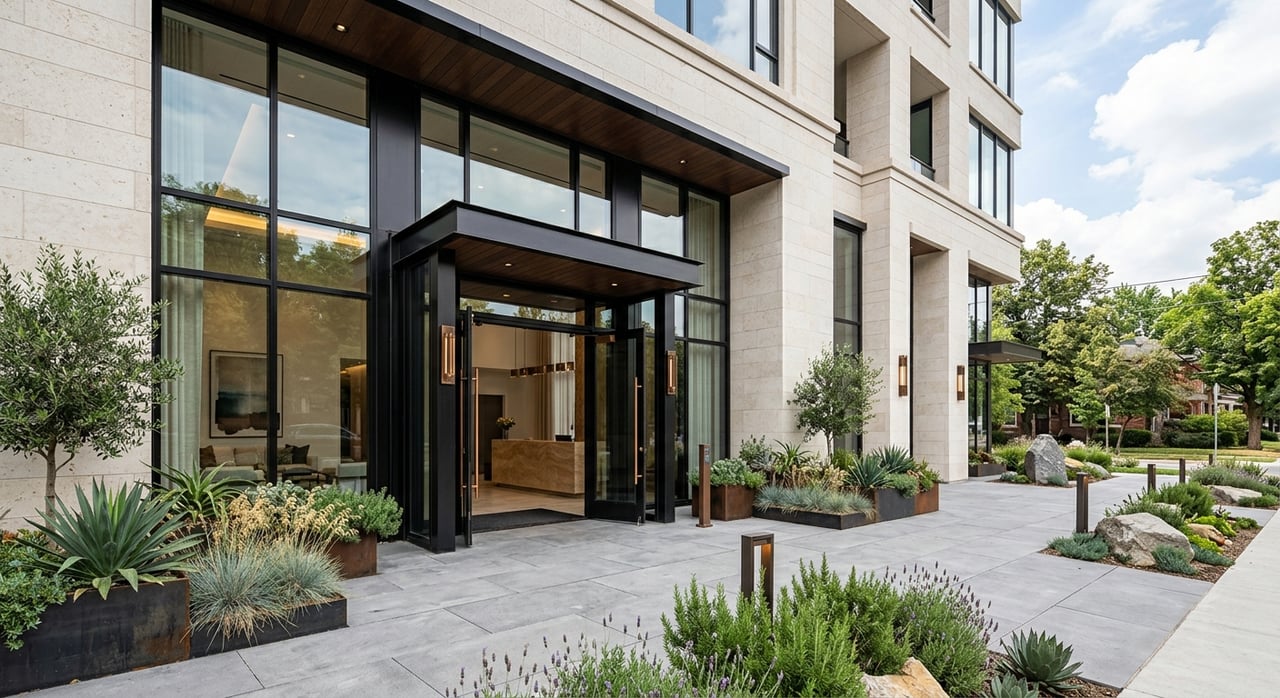
High-rises usually come with concierge service, a staffed lobby, and a full suite of amenities like pools, lounges, and fitness centers. They suit buyers who want convenience and security.
- HOA dues: Higher to support staff, amenities, security, and reserves.
- Operations: Often strict rules with on-site management.
- Pets: Typically allowed, with possible weight limits or pet fees and designated pet areas.
- Financing/resale: Resale can be strong if well-managed. Lenders will review owner-occupancy and reserves.
Modern mid-rise
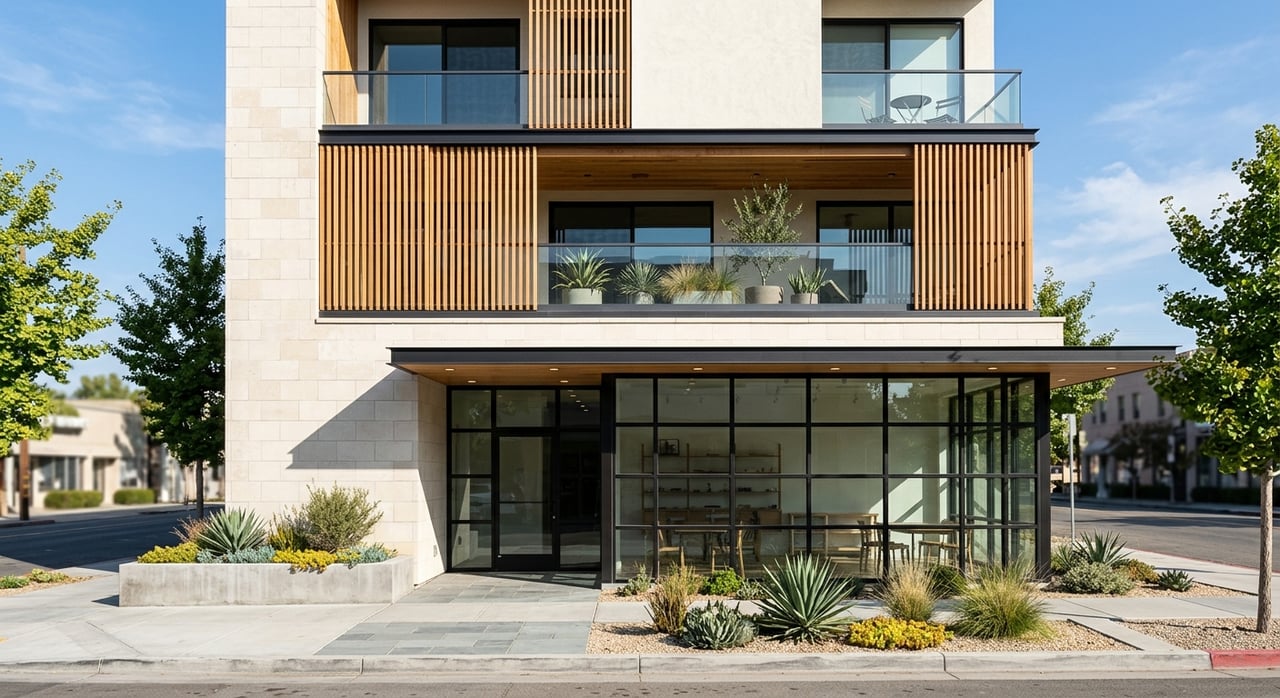
Mid-rises mix modern finishes and amenity suites with ground-floor retail. They fit buyers seeking updated living without the operating costs of a full-service high-rise.
- HOA dues: Moderate due to smaller common areas.
- Operations: Professional management common.
- Pets: Generally pet-friendly, but confirm building policy.
Boutique residential towers
These smaller buildings offer an intimate community with unique floor plans. You may see lower dues, but governance can be more hands-on.
- HOA dues: Lower fixed costs, but reserves can vary.
- Operations: Owner-led boards are common, so special assessments may be more impactful.
- Pets: Policies vary widely by board.
Historic loft conversions
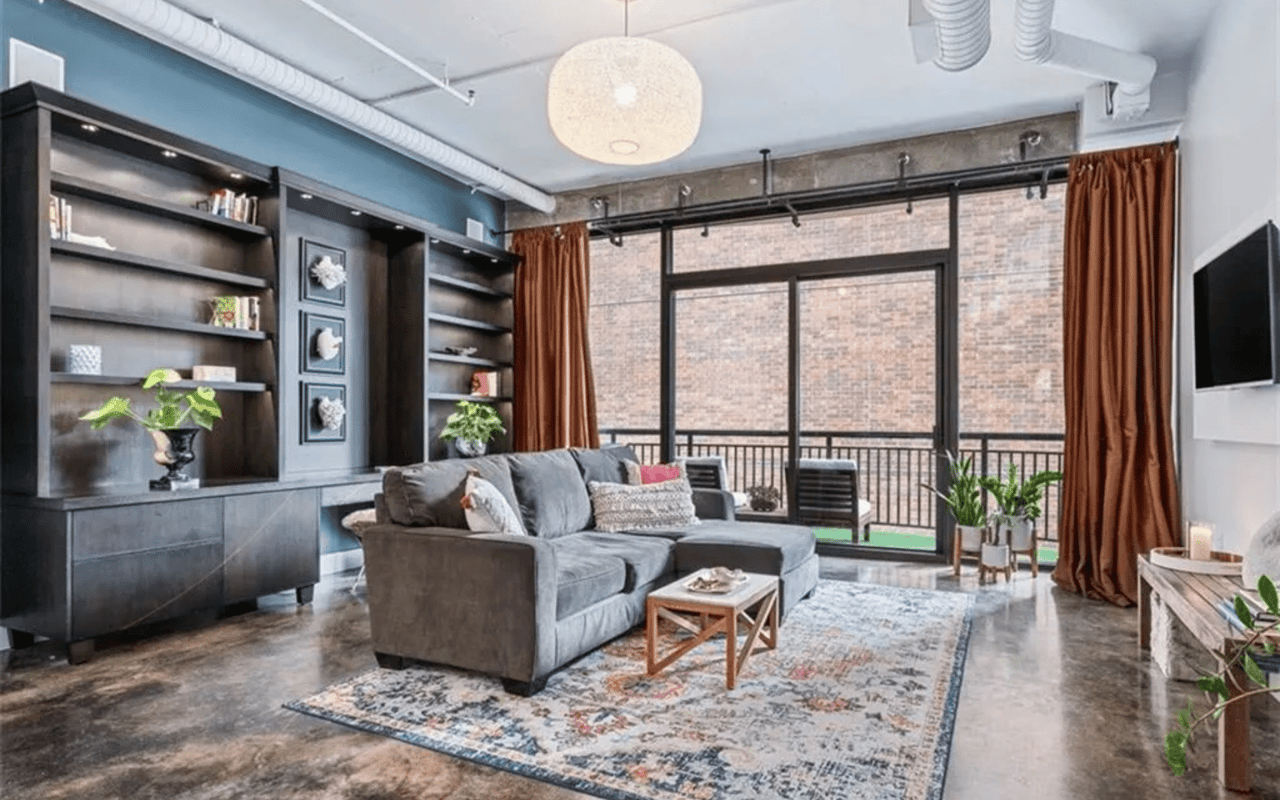
You’ll see exposed structure, tall windows, and industrial character. Amenities tend to be minimal compared to new towers.
- HOA dues: Often simpler, focused on the building envelope and structure.
- Operations: Less amenity overhead, but systems may be older.
- Pets: Often pet-friendly, with occasional limits.
New-construction podium flats
These newer developments often include podium parking and stacked layouts. They can appeal to first-time buyers and investors seeking new-build efficiency.
- HOA dues: Vary by management and reserve planning.
- Operations: Professional management is common with clearer reserve planning.
- Pets: Usually allowed; verify size and breed limits.
HOA and financing essentials
Documents to request early
- CC&Rs or Declaration of Condominium
- Bylaws and rules and regulations
- Current annual budget and recent financial statements
- Reserve study and findings
- Board meeting minutes for the last 12 to 24 months
- Insurance master policy declarations and deductibles
- Estoppel certificate with amounts due and owner-occupancy status
- List of pending special assessments and reasons
- Litigation disclosures for any active or threatened claims
- Rental policy, including short-term rental rules and enforcement history
- Pet policy, deposits, and any fees
- Parking rules, assigned spaces, guest parking
Financial and governance checkpoints
- HOA dues: Confirm what they cover. Higher amenities usually mean higher dues.
- Reserves: Look for a recent reserve study and whether reserves are adequately funded.
- Special assessments: Review history and near-term plans.
- Litigation: Even one case can disrupt financing and resale.
- Insurance: Know the master policy deductible and what your unit policy must cover.
- Meeting minutes: Scan for maintenance backlogs, major projects, or board disputes.
Rules that affect lifestyle and value
- Short-term rentals: City rules apply, and many HOAs are stricter. Verify written policy and enforcement.
- Leasing caps: Rental ratios or minimum lease terms can affect resale and financing.
- Pets: Review size, breed, and number limits, plus any pet rent or deposits.
- Renovations: Understand approvals for flooring, balconies, and window treatments.
Financing and project approval
- Lender approvals: Fannie Mae, FHA, and VA have project standards. Some buildings are not eligible.
- Owner-occupancy ratios: High investor levels can limit certain loans or raise rates.
- Estoppel timing: Request early to avoid closing delays.
- Master policy deductibles: Large deductibles may mean bigger pass-through costs to owners after a loss.
Red flags to avoid
- No recent reserve study or severely underfunded reserves
- Frequent special assessments or repeated CC&R amendments
- Active litigation involving the HOA
- High rental concentration that affects loan programs
- Vague pet or short-term rental policies
- Weak budgets or no recent audited financials
Amenities and pet priorities
Match amenities to your lifestyle
- Concierge or 24-hour desk: Convenience and security, with higher staffing costs.
- Pool and pool deck: Attractive, with added maintenance and insurance expense.
- Fitness center and studios: Useful, but can carry higher operating costs.
- Clubroom or lounge: Social value and potential event rentals for owners.
- Rooftop decks and grills: High lifestyle value; look for clear safety and maintenance plans.
- Dog run and pet areas: Essential for pet owners and a common priority downtown.
- Storage and bike rooms: Useful for gear-heavy lifestyles.
- Parking and EV readiness: Confirm assigned stalls and charging options.
Understand pet policy styles
- Permissive: Few breed or weight limits and light deposits.
- Conditional: Common weight or number limits, pet fees, and designated areas.
- Restrictive: Strict size or breed rules or limits on the number of pets.
Note: Service animals and emotional support animals are treated differently under federal and state laws. HOAs must accommodate properly documented service animals.
Key questions to ask in advance
- What do monthly dues include and exclude?
- When was the last reserve study, and what percent are reserves funded?
- Are any special assessments planned in the next 12 to 24 months?
- Is the HOA involved in litigation?
- What is the short-term rental policy and enforcement record?
- Are there rental caps or minimum lease terms?
- What are the pet limits, deposits, and pet rent, and is there a dog run?
- What does the master insurance policy cover, and what is my responsibility?
- Are spaces assigned? What are guest parking rules and EV provisions?
- How are board elections handled, and when is the next annual meeting?
Shortlist with a simple plan
Step-by-step approach
- Define must-haves vs. nice-to-haves. Examples: assigned parking, pet allowance, HOA fee ceiling, gym, FHA or VA eligibility, proximity to work.
- Pick 1 to 2 districts that fit your lifestyle. For example, Rainey for nightlife and lake access or Seaholm for modern mixed-use.
- Filter by building type. Choose high-rise, mid-rise, boutique, loft conversion, or podium flats based on amenity needs and dues tolerance.
- Pre-screen HOA documents. Request CC&Rs, budget, reserve study, and minutes for your top buildings and eliminate red flags.
- Narrow to 3 to 4 buildings and tour at different times. Visit weekday daytime, evening, and weekend to gauge noise and activity.
- Talk with residents. Ask about management responsiveness and maintenance.
- Check financing early. Confirm project approval, owner-occupancy, and reserve status with your lender before making offers.
On-site tour checklist
- Street and interior noise at different hours
- Lobby, corridor, elevator, roof, and amenity condition
- Signs of deferred maintenance, like water stains or loose handrails
- Parking access, stall location, and guest parking practicality
- In-unit items: window seals, balcony drainage, HVAC age, water pressure
- Security: card access, cameras, and lobby staffing
- Management presence and responsiveness
The Legends Difference
Downtown Austin towers each carry a personality, a governance style, and a long term financial story. Knowing which aligns with your lifestyle and investment goals requires more than browsing listings.
Legends Real Estate provides private client guidance, HOA document review, and strategic tours designed around how you actually live.
Experience downtown with clarity, confidence, and the advantage of a local advocate who understands both the lifestyle and the numbers.
When you are ready to begin, we will curate your shortlist and schedule private tours through the Legends Real Estate App.
FAQs
How do Rainey and Seaholm differ for buyers?
- Rainey leans toward nightlife and lake access with lively evenings, while Seaholm offers modern mixed-use living with strong walkability and generally quieter nights.
What affects HOA dues in downtown Austin towers?
- Staffing, amenities like pools and gyms, insurance, and reserve funding drive dues, with full-service high-rises typically costing more each month.
Which HOA documents should I review before buying a condo?
- Request CC&Rs, bylaws, budget, financials, reserve study, meeting minutes, master insurance, estoppel, litigation disclosures, rental rules, pet policy, and parking details.
Can I rent my downtown Austin condo short-term?
- It depends on HOA rules, which can be stricter than city regulations; verify written policies and enforcement history before you buy.
How do pet policies work in downtown condo buildings?
- Policies range from permissive to restrictive, often with size or breed limits, deposits, and pet areas; service animals have separate legal protections.
What financing issues can come up with condos?
- Lenders review project approval, owner-occupancy ratios, reserves, litigation, and insurance deductibles, which can impact eligibility and loan terms.