Eyeing a small building or a redevelopment site in East Austin and seeing MU or VMU on the zoning map? You are not alone. Mixed-use labels can feel opaque when you are trying to size a project, line up tenants, and forecast NOI. In this guide, you will learn what MU and VMU mean in Austin, where you are most likely to see them in East Austin, and how these rules affect build potential, tenant mix, and returns. Let’s dive in.
Mixed-use in Austin, at a glance
MU basics
MU stands for mixed use. In Austin, MU zoning is intended to permit a blend of residential, office, and commercial uses on the same property. It allows greater intensity than single-use residential while keeping context-sensitive controls in place.
MU can be a base zoning district or part of a zoning case with custom conditions and overlays. What you can build depends on the specific MU district applied to your parcel. Typical levers include allowed uses, building height, lot coverage, parking, and when a site plan is required.
VMU on corridors
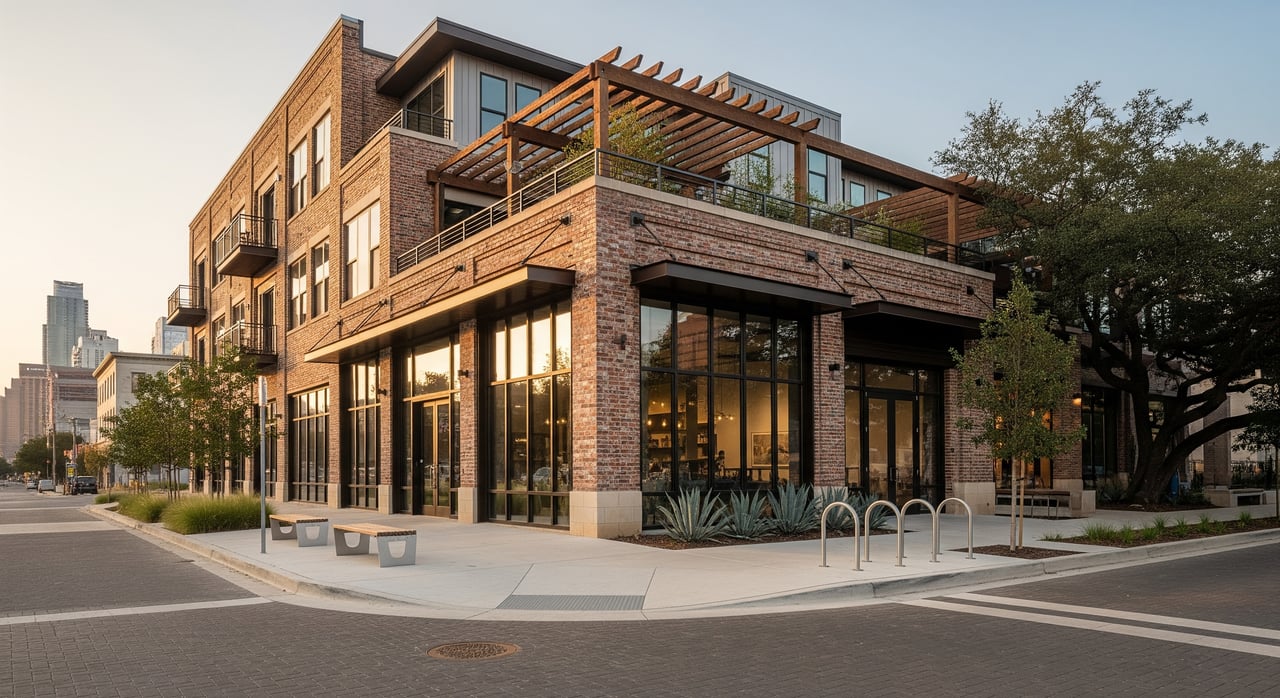
VMU is a combining district that promotes vertical mixed use along pedestrian or transit corridors. It encourages active ground-floor commercial or community-facing uses with residential or office space above. VMU often includes frontage and activation standards and may reduce parking minimums to support walkability.
VMU layers onto underlying zoning rather than replacing it. The exact standards come from the Land Development Code or the controlling zoning ordinance for the property. Outcomes vary by corridor and any conditional overlays.
How MU and VMU work together
MU and VMU are tools the city uses to guide where and how intensity happens. MU can appear as base zoning in nodes or corridors where a horizontal mix of uses makes sense. VMU is often applied along designated corridors to require active street frontage with residential or office above.
Standards are not one-size-fits-all. You will see differences based on map location, corridor designations, and neighborhood plan conditions. Always verify a parcel’s exact rules in the controlling code and zoning documents before you underwrite or submit plans.
East Austin corridors to watch
East Austin has several corridors and nodes where MU or VMU concepts are active. These areas see more zoning cases, conditional overlays, and mixed-use redevelopment interest.
- E. 6th Street east of I-35, with a strong street-life profile and ground-floor retail and entertainment uses.
- E. 11th, E. 12th, and MLK Jr. Blvd, where recent reinvestment and mixed-use potential continue to evolve.
- Manor Road, a major east-west corridor with commercial and multifamily redevelopment activity.
- Airport Blvd, particularly southern stretches bordering East Austin, with mixed-use redevelopment potential.
- E. Cesar Chavez and the broader E. Riverside Drive area, historically commercial with growing multifamily and mixed uses. Verify the jurisdiction and exact boundaries for each site.
- Infill locations near high-activity intersections and transit stops, including MetroRapid and other CapMetro routes.
Corridor designations and overlays change over time. Before you set pricing or engage a design team, verify current zoning and any combining districts for the exact parcel. Check for neighborhood plans, historic designations, and other overlays that can influence height, massing, or uses.
What zoning controls on your site
Primary factors that shape build potential
- Allowed uses. The permitted and conditional use lists determine if you can do ground-floor retail, restaurants, office, multifamily, short-term rentals, or light industrial. These lists vary by district and overlay.
- Height and massing. Base height limits may be modified by conditional overlays. In mixed-use areas, some corridors allow additional height, but compatibility rules can cap the effective height near lower-density residential.
- Building form and frontage. VMU and some MU districts include frontage standards, limits on blank walls, and transparency requirements to activate the street.
- Lot coverage and impervious cover. These caps shape your footprint, parking layout, and stormwater strategy.
- Floor area ratio or equivalent intensity controls. The total building area relative to lot size drives the rentable square footage you can deliver.
- Parking requirements and exceptions. Parking minimums may be reduced or waived in VMU or corridor districts or when a project includes certain features like affordable units. Reduced parking can free up buildable area and lower costs in transit-rich locations.
- Setbacks and stepbacks. Required setbacks and upper-story stepbacks affect rentable area, facade articulation, and outdoor space.
- Compatibility standards. When your site is next to or across from lower-density residential zoning, compatibility can add setbacks, cap height, and shape building elements to mitigate impacts.
- Process triggers. Mixed-use programs often trigger site plan review. Site plan adds coordination for utilities, drainage, access, landscaping, and traffic, which affects timeline and soft costs.
Compatibility in practice
Compatibility standards exist to limit abrupt impacts on nearby homes, like massing, privacy, and noise. In real terms, this can reduce your effective envelope through added setbacks and height controls near single-family zones. Compatibility is driven by adjacent zoning and sometimes use, not just what is currently built, so confirm the zoning on nearby parcels early.
Common overlays in East Austin
- Neighborhood plan overlays. These plans guide future land use and can shape rezoning requests or add conditions.
- Historic or conservation overlays. Districts and individual landmarks can restrict exterior changes or require extra review steps.
- Watershed, floodplain, and tree protection overlays. These affect impervious cover, stormwater controls, tree preservation, and permit requirements.
- Transportation and mobility overlays. Corridor and mobility plans may require pedestrian frontage, bike features, or right-of-way dedications.
Each overlay influences entitlement strategy and pro forma inputs. Layer them into your feasibility study before you lock in pricing or design.
How MU and VMU shape tenant mix and NOI
Ground-floor use and frontage
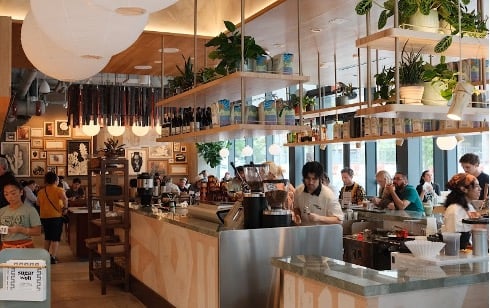
When VMU or corridor standards require active ground-floor uses, you may not be able to convert that level to residential without a change in zoning or conditions. This steers you toward retail, food and beverage, office, or service tenants at the street level. The permitted use list also matters if you plan for bars, automotive, or heavier commercial uses.
Your building form creates the bay sizes you can offer. Narrow or shallow bays favor cafes, boutiques, small service providers, and professional offices rather than large-format retail. Site plan requirements for loading, trash, and deliveries further shape which commercial tenants will be viable.
Revenue mix and leasing dynamics
Mixed-use projects often blend stable residential income above with higher-per-square-foot commercial rents at the ground level. In visible, walkable locations, that street-level space can lift total NOI. Commercial leases tend to run longer and may include percentage rent, but they also come with higher turnover risk if foot traffic or access is limited.
Commercial buildouts are capital intensive. Tenant improvements and code requirements for accessibility, egress, restaurant infrastructure, and fire separation add upfront cost compared with residential-only projects. Operating the building also becomes more complex, with different lease structures, maintenance standards, and utility metering across uses.
Financing can differ by lender and product. Some lenders treat mixed-use as commercial for terms, equity, and coverage tests. Confirm how your lender will underwrite the rent roll and what portion of commercial income they will count.
Key risk drivers to model
- Vacancy sensitivity. Retail and restaurant tenants are more sensitive to foot traffic and macro shifts than residential. Stress test your retail vacancy assumptions.
- Entitlement risk. Rezoning and conditional overlays add time and cost. Build realistic entitlement timelines into your schedule.
- Parking and access. Limited parking and constrained delivery access can suppress retail rents. Reduced parking minimums can help construction budgets but may require careful tenant selection and mobility planning.
- Neighborhood input. In East Austin, neighbors are engaged. Community feedback during rezoning or site plan can add conditions or extend timelines.
Due diligence for an East Austin parcel
Quick tools to verify
- City zoning map viewer for base zoning, combining districts, and conditional overlays.
- Land Development Code for permitted uses, parking, frontage, and compatibility standards.
- Development Services guidance for site plan triggers and permitting pathways.
- Travis County Appraisal District for property records and legal descriptions.
- City neighborhood plan pages for future land use guidance and plan policies.
- Historic preservation resources for overlay and landmark checks.
- Capital Metro and mobility plan maps for corridor and transit designations that support VMU or parking reductions.
Property-level checklist
- Confirm base zoning and any VMU or conditional overlays.
- Review prior zoning cases and any attached conditions that run with the land.
- Identify adjacent single-family zoning or uses that can trigger compatibility.
- Check floodplain, watershed, and tree constraints and related mitigation.
- Verify water and wastewater capacity and any offsite improvements required.
- Determine minimum parking and whether reduced parking provisions apply.
- Confirm whether your intended uses need conditional approvals or a rezoning.
- Read neighborhood plan policies that may guide entitlement strategy.
- Review tax status and assessed values, then confirm market rent comps for both retail and residential nearby.
- Schedule a pre-application conversation with City staff to confirm site plan triggers and review focus areas.
Timelines and soft-cost expectations
- Zoning or rezoning can take several months up to a year, depending on conditions and council schedule.
- Site plan review can add months based on utilities, drainage, and traffic needs.
- Building permits depend on document completeness, multi-trade coordination, and responses to review comments.
- Expect professional fees for design and entitlement, including architecture, civil engineering, traffic and parking studies, arborist reports, and surveys. Scale drives cost.
Two quick scenarios to frame the opportunity
VMU on a transit corridor
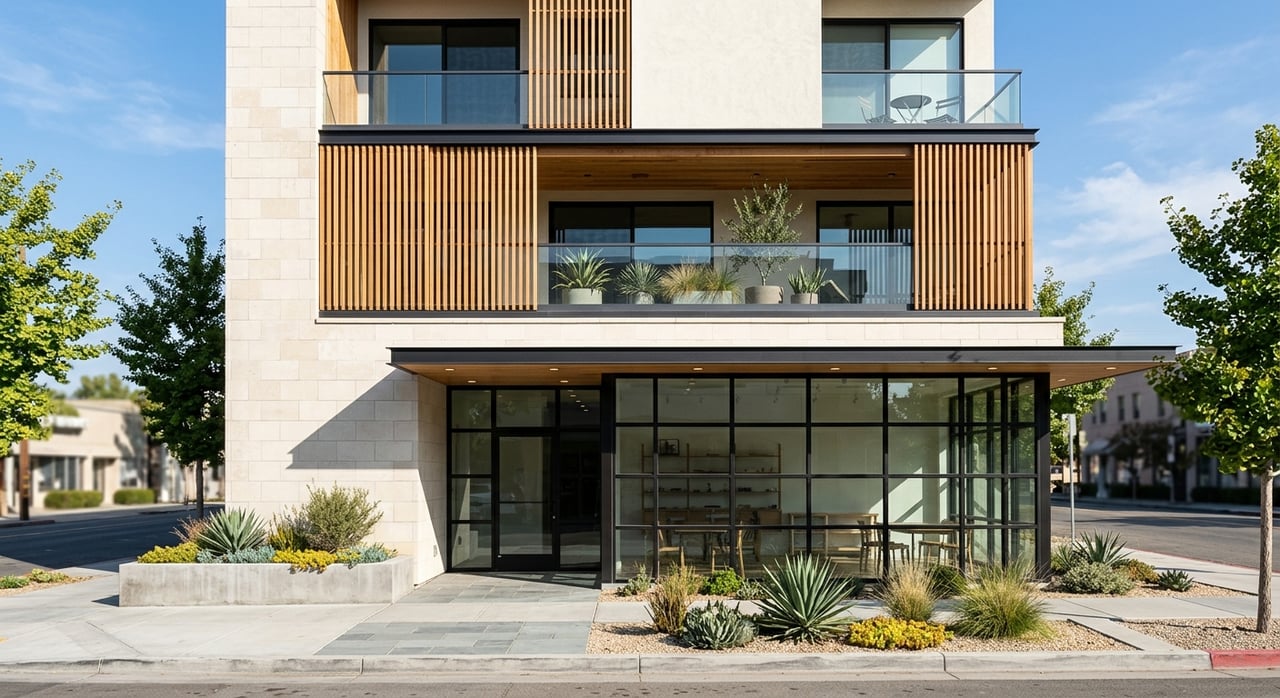
You acquire a small corner site on a designated corridor with VMU. Ground-floor activation and frontage standards steer you toward retail or service use at grade, with housing above. Reduced parking minimums help you deliver more leasable area, but you will still need to plan for loading, trash, and tenant improvements that meet code.
Compatibility matters if your rear lot line abuts lower-density zoning. Stepbacks and setbacks can shape the upper floors. Your pro forma should separate retail and residential, model higher TI for the retail bay, and stress test longer lease-up for the street level.
MU near single-family edges
You find an MU-zoned parcel mid-block with single-family zoning across the alley. You have flexibility across uses, but compatibility may cap height near the rear. You may favor a narrower building footprint with efficient residential above and a smaller service-oriented ground-floor tenant that fits your bay depth and loading constraints.
Your site plan will coordinate utilities and drainage, and your lender may underwrite as commercial depending on the rent mix. Underwrite a conservative retail rent and keep contingency for entitlement and TI.
Work with a local advisor who knows both sides
Mixed-use in East Austin rewards careful planning and early verification. You will make better decisions when you pair market insight with a clear read on zoning, compatibility, and overlays. If you are weighing whether to pursue MU or VMU assets, or you want help packaging a site for tenants and lenders, you deserve a partner who lives in both residential and commercial.
Legends Real Estate is a boutique brokerage with cross-asset capability and a deep bench of local relationships. If you are an owner-operator or a small investor, we can help you source, size, and position mixed-use opportunities with discretion and care. Ready to explore a specific site or corridor strategy? Connect with Nina Seely for a thoughtful, private consultation.
FAQs
How to check MU or VMU status in East Austin
- Use the City’s zoning map viewer to confirm base zoning and any combining districts or conditional overlays, then verify standards in the Land Development Code.
Does VMU always allow more height on East Austin corridors
- Not automatically. VMU focuses on ground-floor activation and frontage. Height and density depend on the underlying zone, VMU subtype, and any conditional overlay.
What do compatibility standards mean for a small infill site
- Compatibility can require extra setbacks and limit height near lower-density residential zoning, which reduces the effective building envelope on infill lots.
Can I do retail at grade and apartments above without a rezoning
- Possibly. If both uses are permitted by the existing zoning and any overlays, you can proceed subject to site plan and building permits. If not, you may need a rezoning or conditional use.
Where do I find ground-floor activation and frontage rules
- In the Land Development Code sections for VMU and corridor frontage standards, and in any controlling conditional overlay or neighborhood plan that applies to the parcel.
How should I underwrite NOI for a mixed-use building in East Austin
- Build separate lines for commercial and residential rents, vacancy, operating expenses, leasing commissions, TI amortization, and capex reserves. Stress test retail vacancy more than residential.