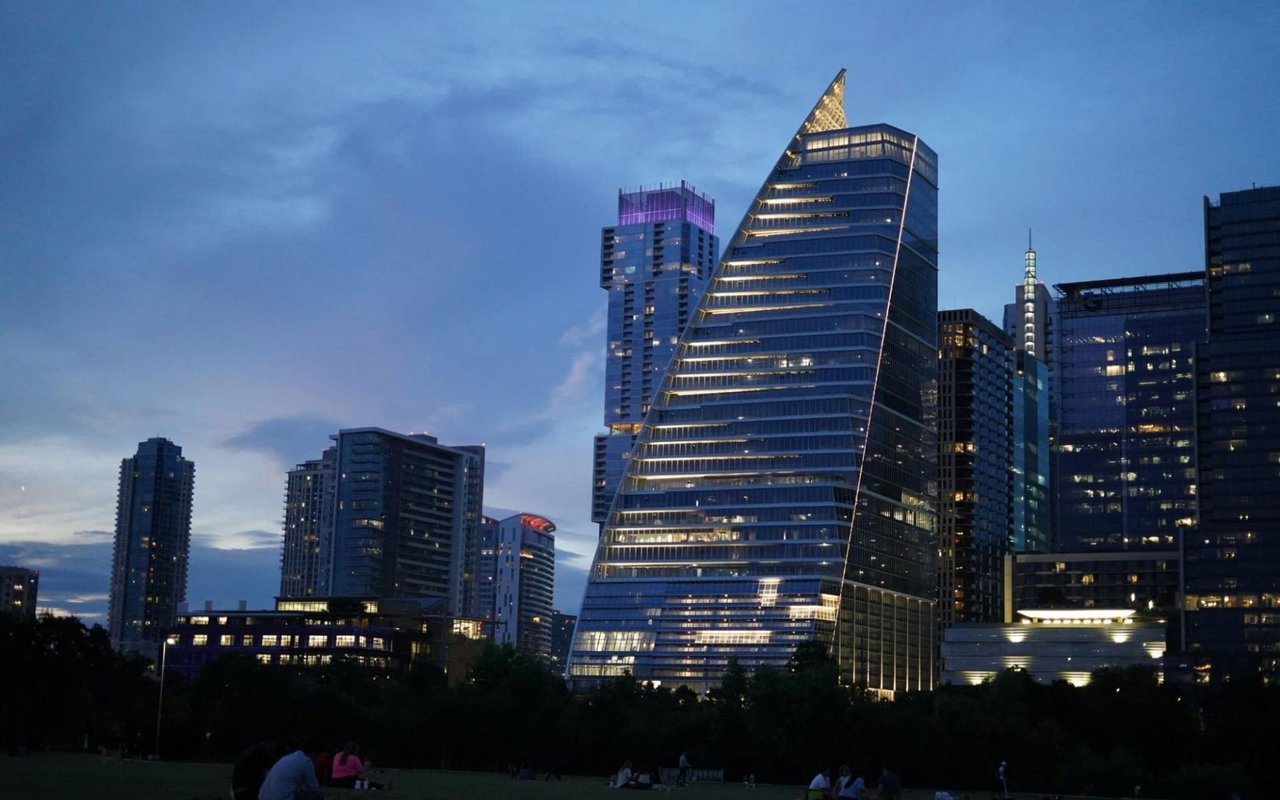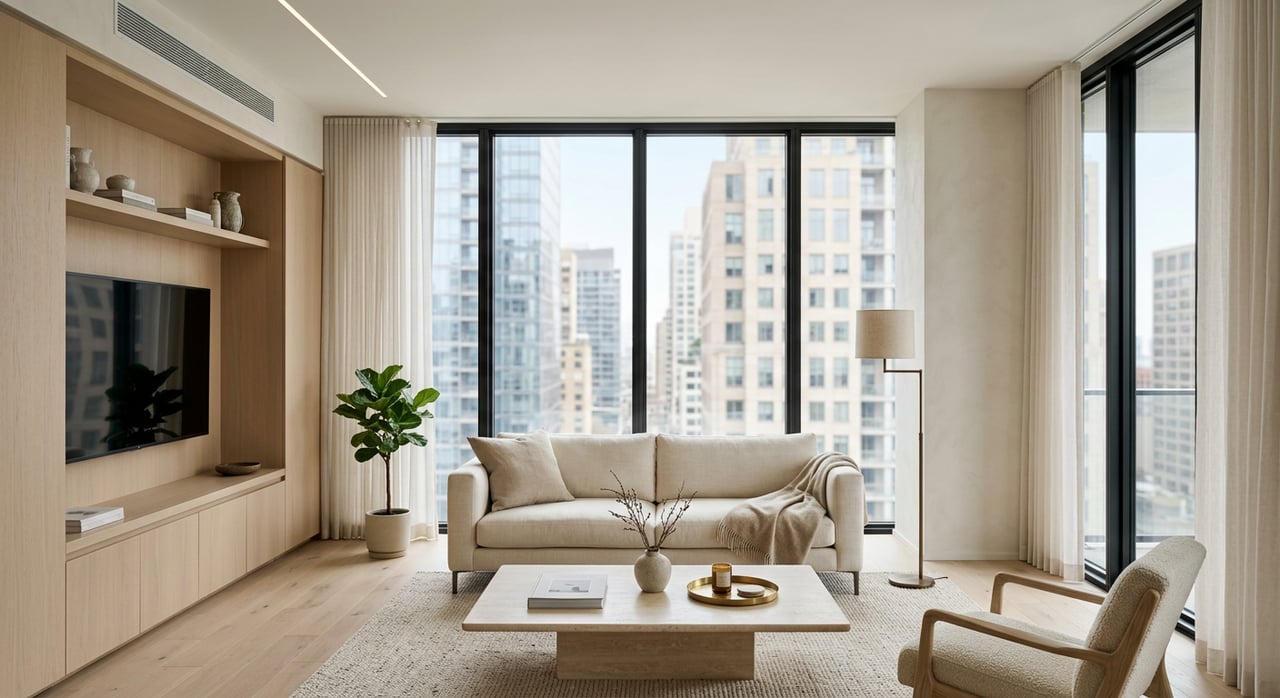
You can stand on one corner in downtown Austin and feel three different cities at once. One block buzzes with live music, the next is serene and shaded, and the lakefront feels like a park in the middle of the skyline. If you want a condo that fits your life, block-by-block nuance matters. In this guide, you’ll learn how to choose the right tower, floor, and HOA for your goals, plus a simple checklist you can use on tours. Let’s dive in.
Start with lifestyle fit
Before you fall for a view, define how you want to live. Do you want to be in the action or one block off for quieter nights? Will you use a gym and pool daily, or would you rather keep dues lean and focus on location? Clarity here will narrow your short list fast and help you weigh tradeoffs with confidence.
Choose your micro-neighborhood
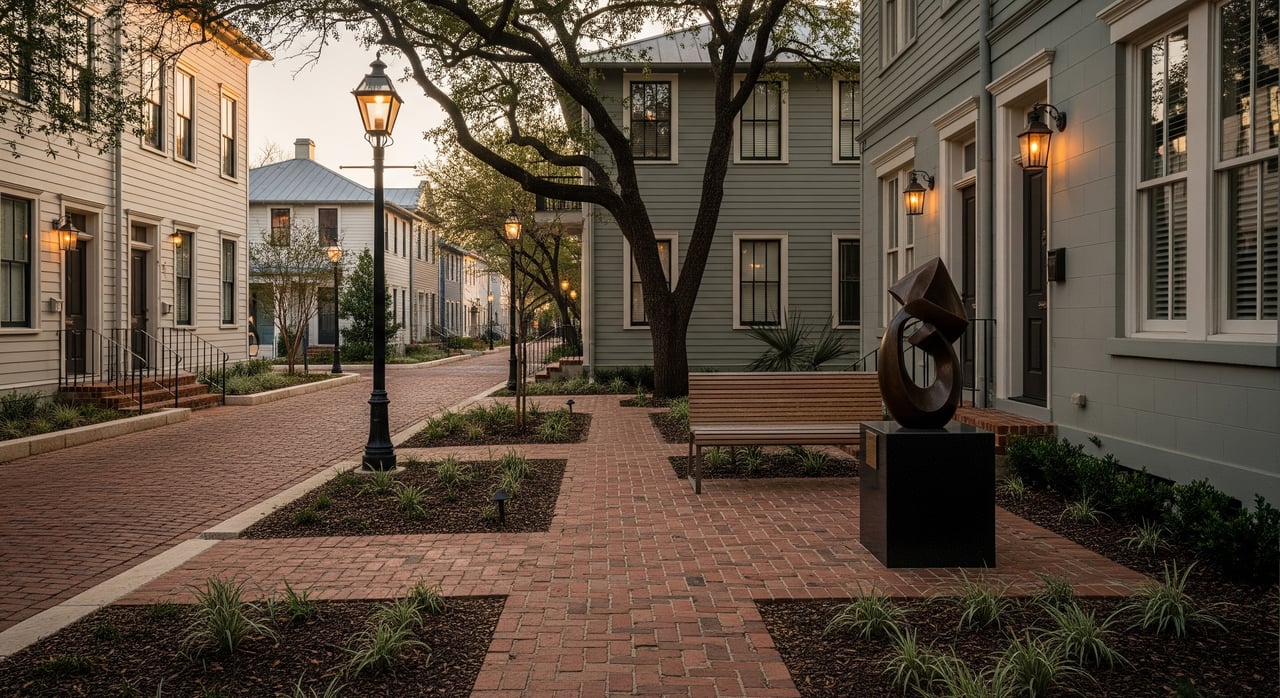
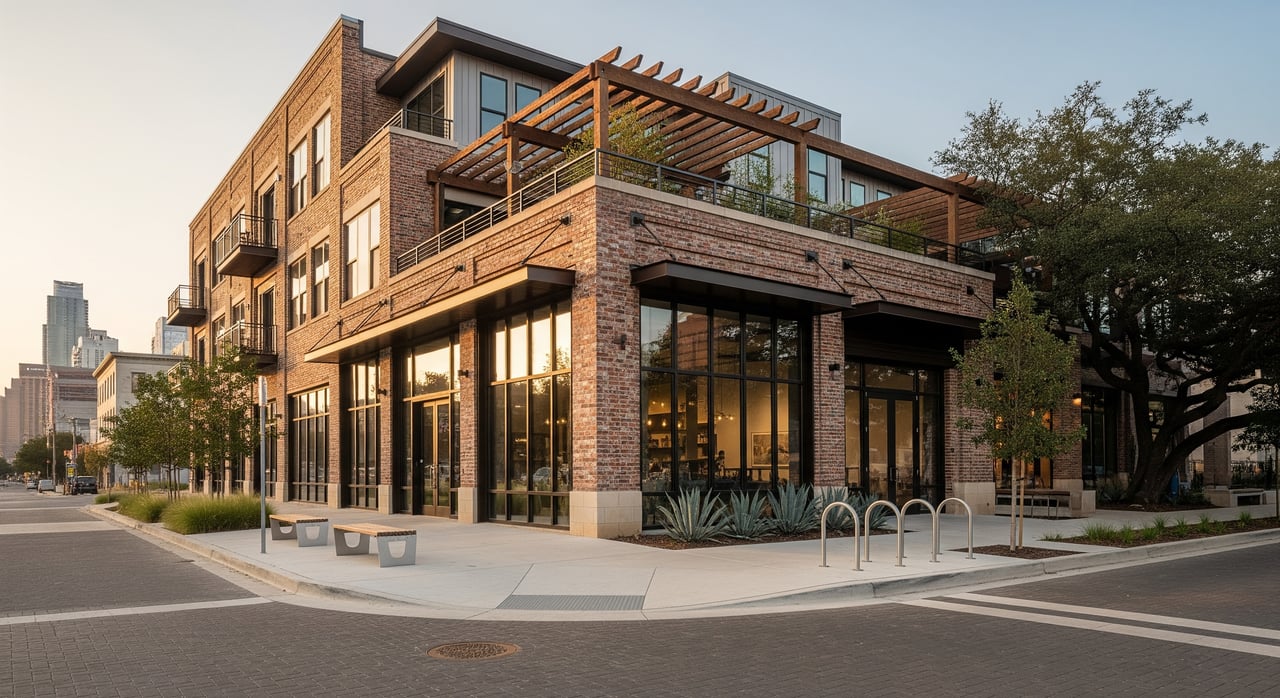
Downtown Austin is a mosaic of micro-zones. The West and East Sixth Street corridors, Rainey Street, and the Red River Cultural District host many venues and late-night energy. That can be a plus if you love nightlife and live music. If you prefer quieter evenings, place yourself a block or two off those corridors. The city’s visitor guide outlines the character of these areas in the entertainment districts overview.
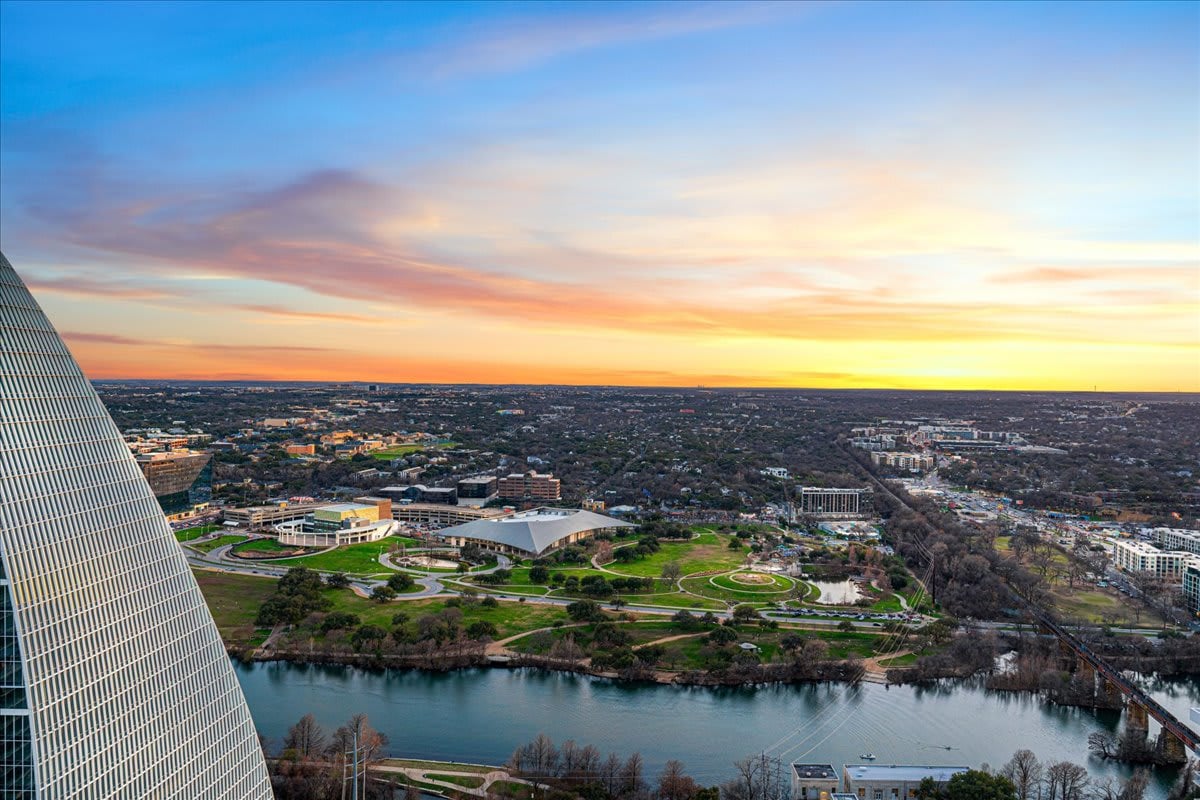
Views and future development also depend on where you buy. The Capitol View Corridor combining district limits height inside certain sightlines to the Texas State Capitol. That can either protect your view or cap nearby building heights. If views matter, confirm whether your target parcel is inside a protected view path using the city’s Capitol View Corridor zoning layer.
Floor, light and views
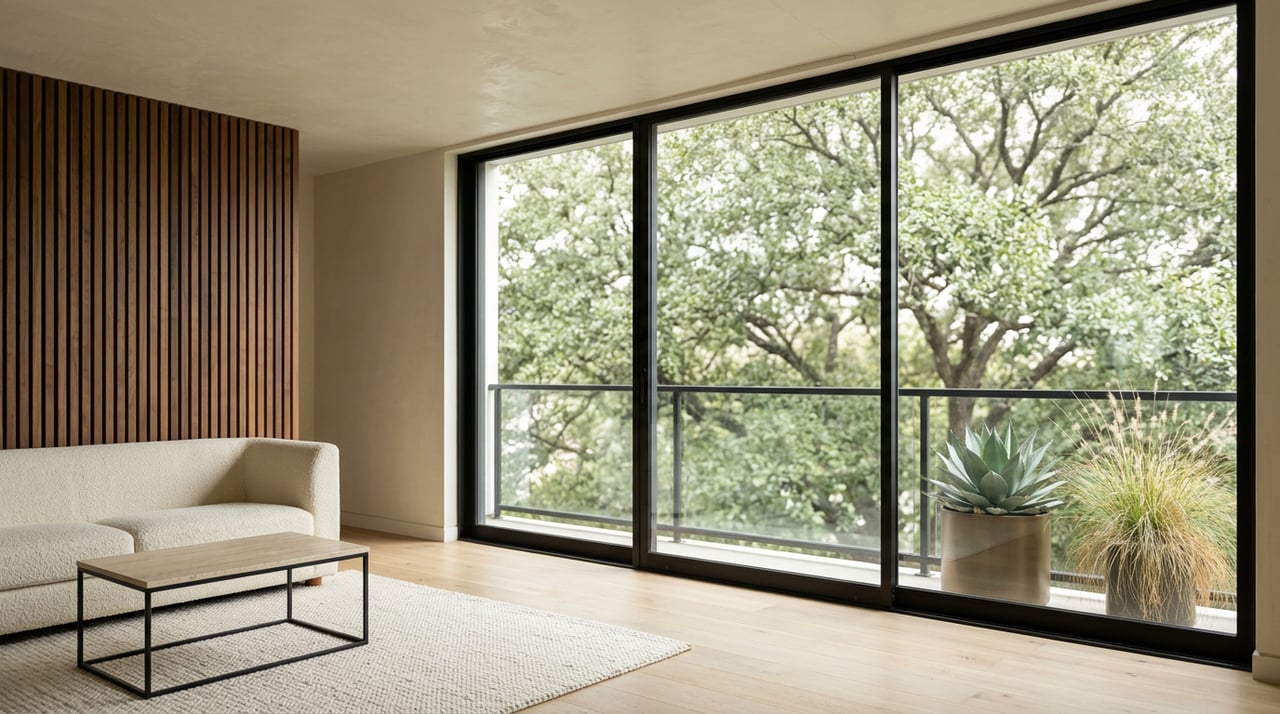
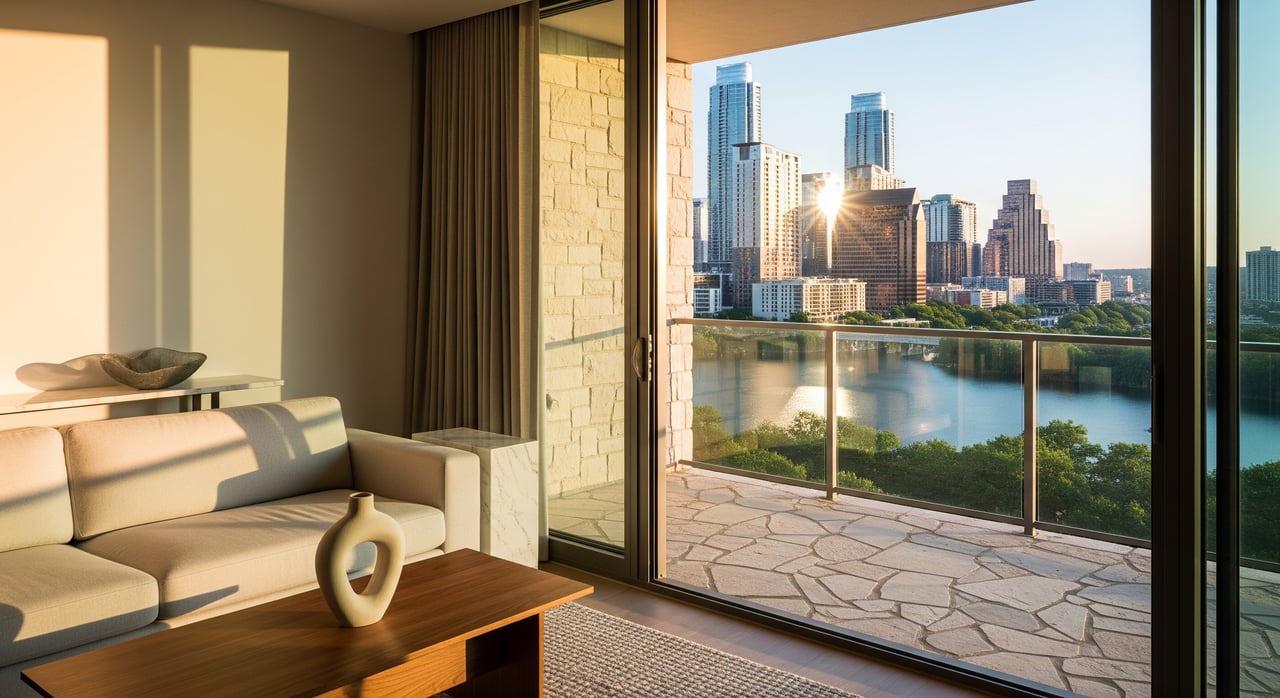
Higher floors usually reduce street noise and elevate your skyline or water views. They also come with price premiums. Orientation matters too. East-facing units get softer morning light, while west-facing units can bring strong afternoon sun that affects balcony use and HVAC load in hot months. Compare building floorplates, sightlines, and nearby development sites so you know which views are stable and which are likely to change.
Noise: building and block reality
Noise exposure downtown is real but varies tower by tower and night by night. Sources include amplified outdoor music, patio venues, special events like SXSW and ACL, and weekend street activity. The city sets rules for amplified sound and venue operations, but lived experience is what counts. Review the city’s guidance for context on time and decibel limits in the entertainment industry regulation resource, then visit at peak times to test how a building performs.
Construction type also plays a role. Heavier concrete and steel assemblies typically perform better against airborne and impact sound than lighter wood-frame builds. If noise sensitivity is a concern, ask for any available floor-ceiling acoustic specs, including STC and IIC ratings, and do an evening visit to assess real-world transmission between units and from outside.
Amenities and operations
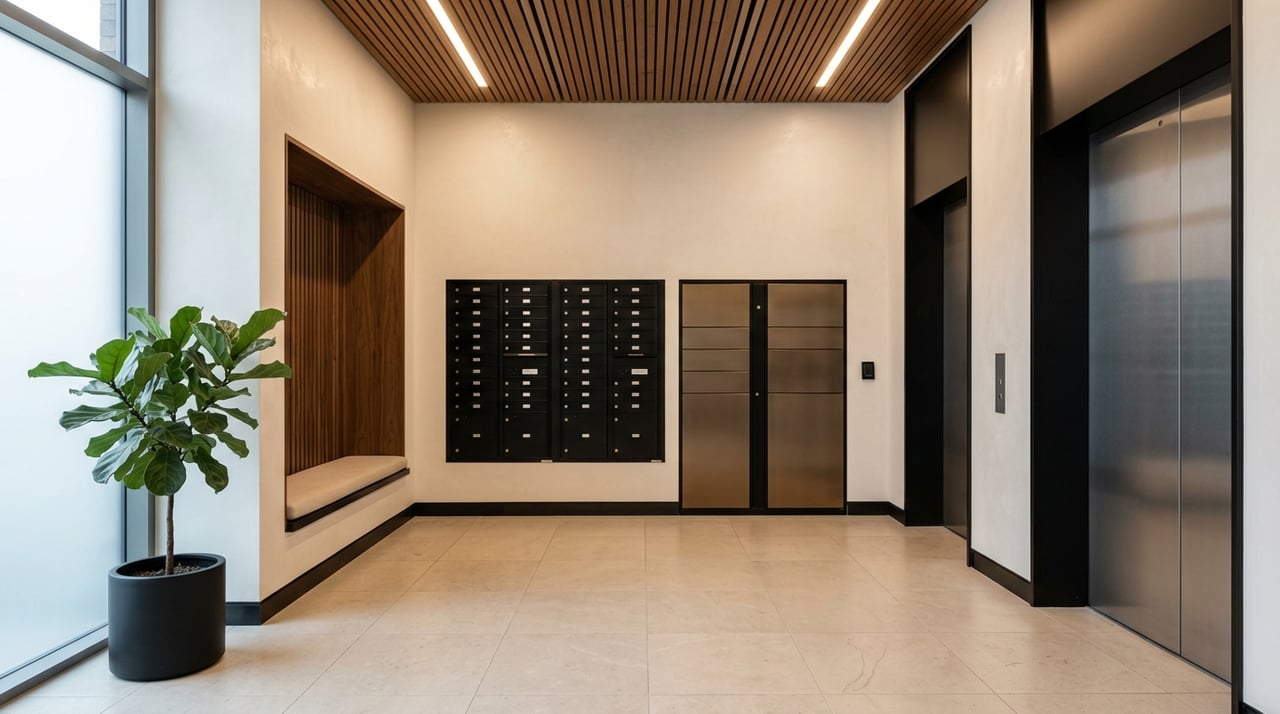
Amenity sets can be a lifestyle boost or a dues driver. Full-service towers may offer a staffed lobby, concierge, security, valet, and hotel-like facilities. Leaner buildings focus on essentials like a gym and pool with lower monthly fees. Decide what you will actually use. Then review the HOA budget to see how staffing, maintenance, and reserves shape the dues for your unit size.
Also check day-to-day operations. Well-run buildings show it in the details: responsive front desk, clean common areas, healthy equipment, and timely communication. Read recent board meeting minutes to understand how issues are handled and whether projects stay on schedule.
Parking and EV questions
Parking varies widely downtown. Some units include deeded stalls, which can be stronger for resale. Others rely on assigned or leased garage spaces. Ask how spaces are titled, whether there are guest spots, and if the garage uses mechanical lifts that affect convenience.
If you drive an EV or plan to, confirm the building’s current chargers, the HOA’s EV policy, and whether the electrical infrastructure can support more installations. Some communities are adding capacity as owners request it, but timelines and costs can vary.
HOA health and reserves
A financially sound HOA protects your investment and your quality of life. Request the current budget, balance sheet, and the latest reserve study or update. Best practice is a professional reserve study with periodic updates, which explains the major components, project timelines, and funding targets. For a clear overview of what a proper study includes, see the CAI Foundation’s reserve study best practices.
A common screening metric is percent funded, which compares current reserves to the fully funded target. Many advisors treat below roughly 30 percent as a higher-risk signal if big projects loom, while the 70 to 100 percent range is generally healthier. Always read the actual project schedule, not just a headline number. This simple framework is summarized in guidance on reserve funding levels.
Insurance layers to understand
In condos, you have two insurance layers. The HOA’s master policy covers the building shell and common elements based on the policy type, and your individual HO-6 policy covers your interior improvements, personal property, liability, and loss-assessment exposure. Ask for the master policy declarations and the HOA’s insurance agent contact so your insurance professional can align your coverage. For a plain-English primer on how these layers work, review this condo insurance overview.
Two details to confirm early: what the master policy actually covers and the size of the commercial deductible. Large deductibles after a claim can lead to owner assessments if reserves are thin.
Financing and warrantability
Condominium financing depends on the project’s eligibility. Conventional, FHA, and VA loans may be restricted if a building has major litigation, insufficient insurance, high delinquency rates, too much commercial space, or does not meet owner-occupancy and single-entity ownership thresholds. Fannie Mae explains these conditions in its project standards overview.
Make project eligibility an early checkpoint with your lender. Ask them to run a project review or check the Condo Status Finder for known approvals or issues. If you need a conventional loan, confirm this before you invest time and money in inspections.
Short-term rentals and policy shifts
If rental flexibility matters, check both city rules and the HOA’s governing documents. Austin updated several short-term rental provisions in early 2025, shifting aspects of regulation and platform accountability. These updates are ongoing. Review the City Council’s recent action as a starting point and then confirm current guidance directly with the city and your HOA. You can reference the 2025 council agenda item summarizing STR changes.
Remember that HOA declarations can prohibit or limit STRs even where the city allows them. Ask how many units, if any, currently hold permits and whether the community is in compliance.
Property taxes and total cost
Downtown units often carry higher effective tax bills due to combined city, county, and school district rates. Always model your total monthly cost with realistic taxes, HOA dues, insurance, and parking. To check valuations and tax details for a specific unit, use the Travis Central Appraisal District’s tools and notices, such as this Travis CAD property tax resource.
A simple tour checklist
Use this quick checklist for each building and unit you tour. It will help you compare options side by side.
Documents to request
- HOA package: current budget, last 12 months of financials, latest reserve study or update, board meeting minutes for the past 12 to 24 months, master insurance declarations, any pending special assessments, rental and STR rules, and pet policy.
- Seller disclosures and any recent capital-improvement notices or vendor contracts.
On-site tests and visits
- Visit twice: a weekday morning and a peak evening. Note street and venue noise, plus how well windows and doors buffer sound.
- Time the elevators. Observe lobby staffing, gym and pool condition, and how the garage functions for residents and guests.
- Scan for deferred maintenance: balcony cracking, corridor stains, elevator wear, mechanical rooms, and pool-deck condition.
Financial checks and red flags
- Reserve percent funded and study recency. No study or a very old one is a caution. Very low funding with near-term projects suggests higher dues or special assessments.
- Delinquency rate on dues. Ask for current arrears as a percentage of annual assessments.
- Pending litigation. Structural, habitability, or insurance-related claims can affect financing and risk.
- Project warrantability. If you plan conventional financing, have your lender confirm eligibility now.
Parking and EV
- How are spaces titled or assigned? Is your stall deeded and included in the sale? Are there guest spaces or waiting lists?
- EV readiness. Current charger count, HOA policy for new installs, and electrical capacity for expansion.
Questions to ask the board or manager
- When was the last reserve study, when is the next update, and what is the current percent funded?
- What major capital projects are planned in the next 1 to 5 years, and how will they be funded?
- Is there any pending litigation, and what is the potential financial exposure?
- What does the master insurance policy cover, and what is the per-loss deductible?
- How is parking titled or assigned, and are there guest or EV provisions?
- What are the rental and STR rules, and is the building compliant with current Austin guidance?
Ready to find your match?
Choosing the right downtown Austin condo is about aligning block, building, and budget with how you actually live. When you bring a clear lifestyle brief and the right diligence steps, you can secure the views, services, and stability that matter most to you. If you want discreet guidance, off-market access, and a calm, detail-first process from tour to close, connect with Nina Seely.
FAQs
What is a Capitol View Corridor and why does it matter for Austin condos?
- Austin’s Capitol View Corridors protect sightlines to the Texas State Capitol and can limit building height or future development near your tower, which affects view stability; check the city’s CVC map before you buy.
How can I check if a downtown Austin condo is eligible for conventional financing?
- Ask your lender to review the project under Fannie Mae’s standards and consult the Condo Status Finder to see if the building has known approvals or issues.
What should I look for in an HOA reserve study for a high-rise?
- Confirm there is a recent professional study, review the percent funded, and study the 1 to 5 year project schedule; low funding with near-term projects signals risk of higher dues or special assessments.
Are short-term rentals allowed in downtown Austin condos in 2025?
- City rules have been updated and continue to evolve, and HOA documents may be stricter; verify current city guidance and the building’s governing documents before relying on STR income.
How do I evaluate noise exposure in a downtown tower during events like SXSW or ACL?
- Visit the unit during a peak evening and a quiet morning, review city amplified-sound guidance for context, and ask for recent building or block-level noise information or 311 complaint history.
What insurance do I need as a condo owner in Austin?
- The HOA holds a master policy for the structure and common areas, and you carry an HO-6 policy for your interior, belongings, liability, and loss-assessment; align both with your insurer after reviewing the master policy declarations.