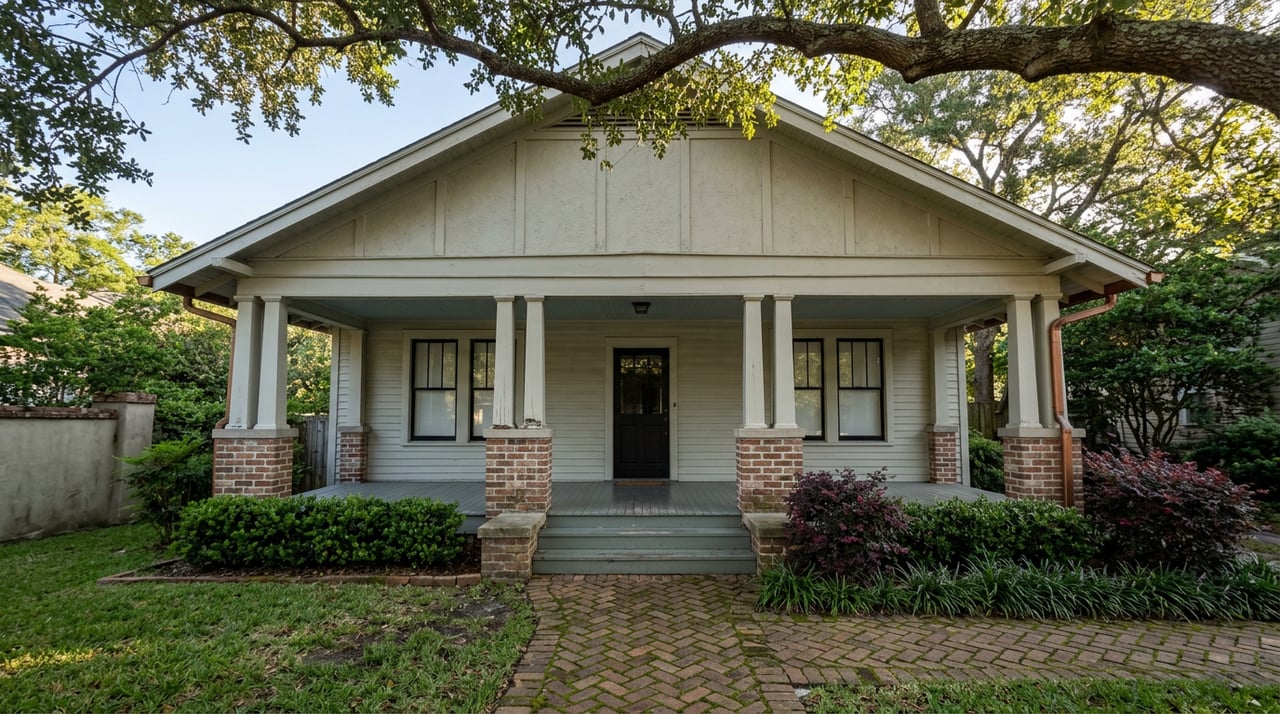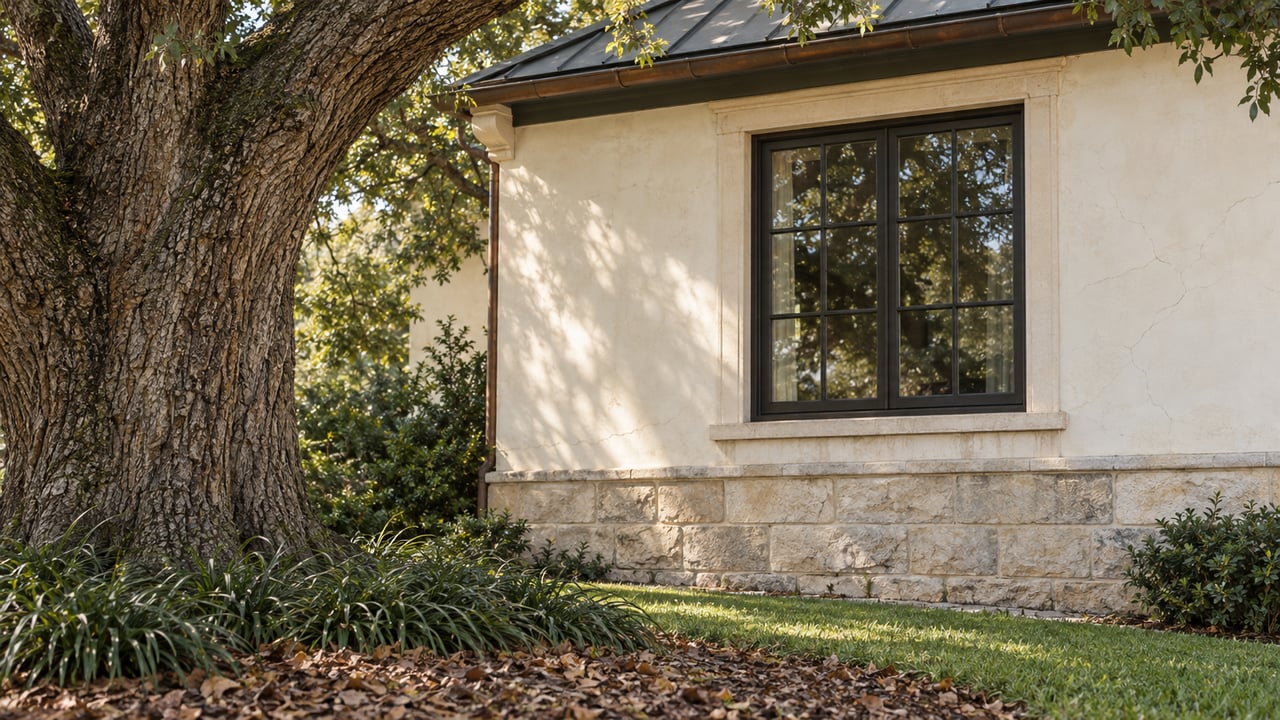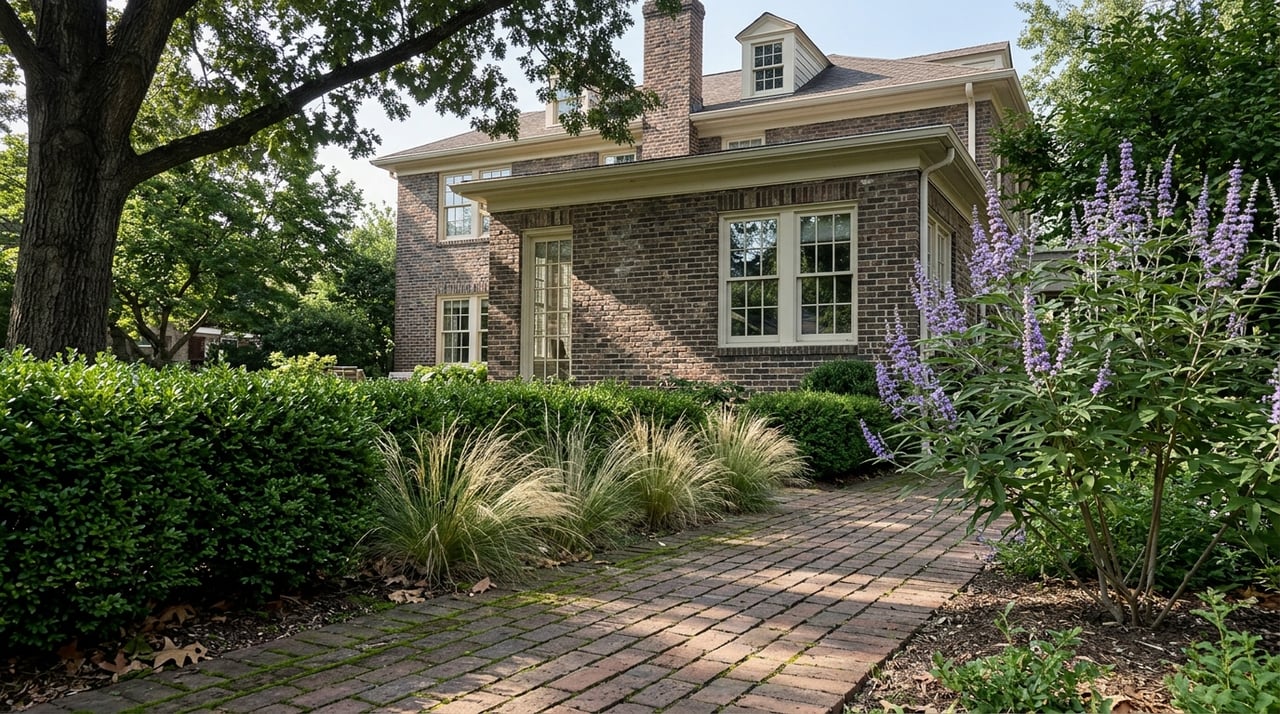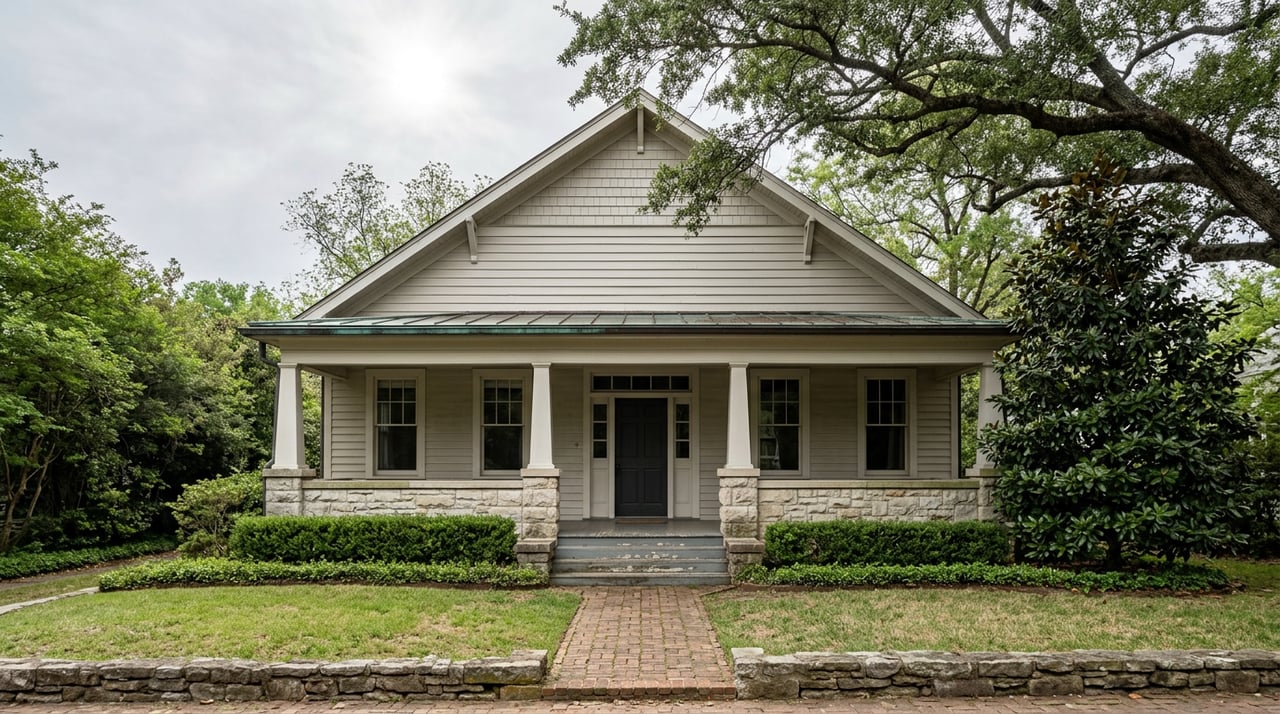
You can overpay for a Westlake property if you focus too much on the house and not enough on the land. In Westlake Park and the broader West Lake Hills area, lot value often comes from what the site can support next, not just what is standing there today. If you are weighing a remodel, teardown, or land play, this guide will help you read the signs that matter most. Let’s dive in.
Why lot value matters in Westlake
West Lake Hills is a small, preservation-oriented city with only about 4 square miles and roughly 1,000 homes. Its planning materials describe steep, hilly terrain, elevations ranging from about 500 to more than 900 feet, and areas that may not be suitable for building sites. In a market like this, scarcity and buildability can carry as much weight as the existing structure.
That is why two homes with similar square footage can have very different value stories. One may offer a clean path to a custom rebuild, while the other may be constrained by slope, trees, drainage, or utility complexity. If you are buying for land value, those differences matter early.
Read the site before the structure
A teardown candidate is not automatically a strong lot. In Westlake, the better question is whether the site can support a materially better improvement than the one currently there. Travis CAD appraises property at current market value, and changes in value may reflect sales data or record corrections, so the tax record is a starting point, not the full answer.
When you evaluate a property, try to separate the house from the site itself. A dated home on a workable lot may be more compelling than a nicer house on a difficult parcel if your long-term goal is redevelopment.
Look for a usable buildable envelope
A premium lot usually starts with a buildable envelope that can realistically fit the home you want to create. That includes the house footprint, driveway approach, setbacks, and outdoor living areas.
If the envelope is too tight, the lot may still be attractive, but the design options can narrow fast. In Westlake, that can be the difference between a straightforward custom build and a lengthy redesign process.
Watch the slope and pad potential
Topography is one of the biggest value drivers in West Lake Hills. The city’s planning documents emphasize rugged terrain, cliffs, canyons, and the need to preserve natural character.
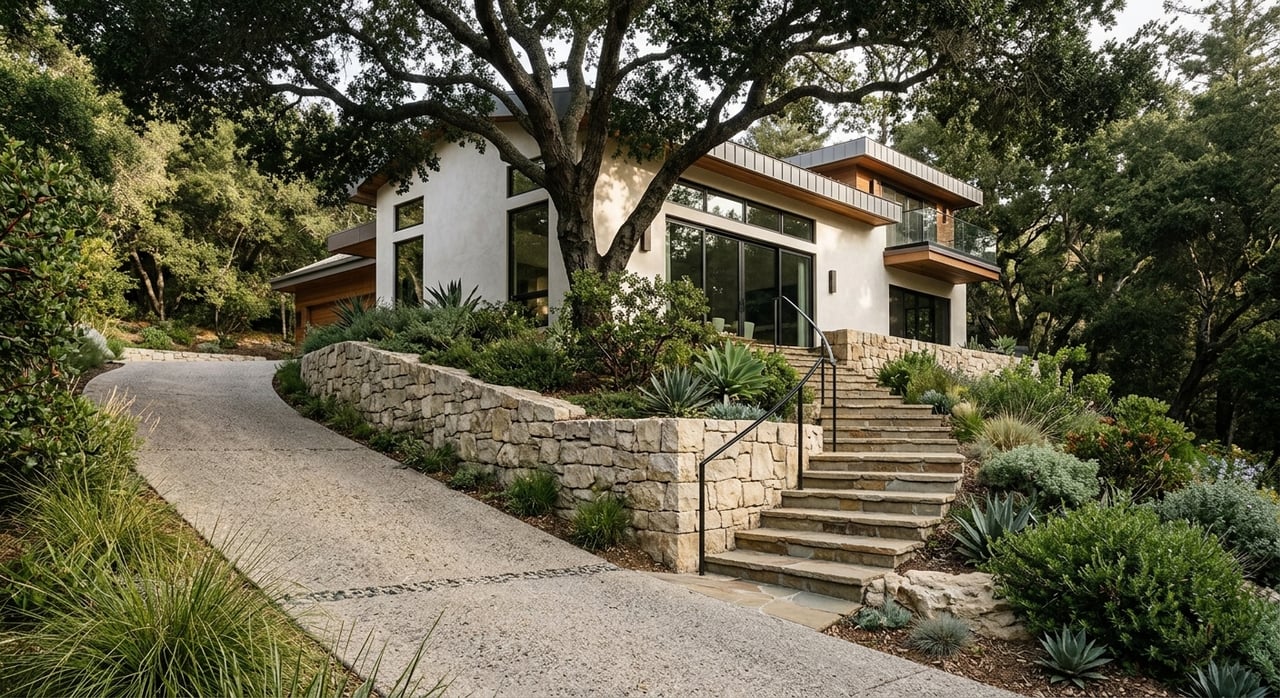
For you, that means slope affects much more than aesthetics. Steep grades can lead to more grading, retaining walls, longer driveways, and more expensive site preparation before vertical construction even begins.
Treat views as conditional value
Views can create a meaningful premium, but in Westlake they should be treated as conditional until tested against the lot’s real constraints. Tree preservation rules, hillside geometry, setbacks, and neighboring development can all affect how durable that view really is.
A property may feel wide open during a showing and still prove difficult to improve in practice. If the canopy is heavy or the terrain is irregular, the view premium may not translate into easy redevelopment value.
Trees can change the math quickly
One of the biggest surprises for buyers is how much tree regulation can shape a project. In West Lake Hills, no trees or vegetation may be removed without a permit except for limited ordinary maintenance such as gardening, ground care, pruning a single live tree, or removing existing dead brush.
That matters because tree removal is not just a landscaping decision. It can influence building placement, driveway design, grading, sight lines, and whether a plan is still worth pursuing at the budget you had in mind.
Canopy preservation affects design freedom
West Lake Hills frames its vegetation policy as part of preserving wooded character and property values. So if you are studying tear-down potential, canopy is not background scenery. It is part of the entitlement and design equation.
This is especially important when buyers assume a lot can be opened up for broader views. In many cases, the answer depends on permits, site conditions, and what the jurisdiction will allow.
Jurisdiction can change the rules
If a parcel is in Austin rather than West Lake Hills, the review path changes. Austin Development Services says Land Use Review may include zoning, design standards, subdivision, drainage and floodplain, water quality, transportation, environmental review, erosion control, and mitigation or protection of protected or heritage trees.
Austin also requires permits for certain residential trees, with protected trees at 19 inches diameter and heritage trees at 24 inches receiving stricter treatment. That is why confirming the exact jurisdiction is one of the first steps in underwriting a teardown.
Utilities and wastewater deserve early attention
A beautiful lot can become an expensive infrastructure project if utility service is more complex than expected. West Lake Hills lists Austin Energy for electric service, Water District 10 for water, and the city for wastewater.
The city also notes that its wastewater system includes both gravity and low-pressure mains, and grinder pumps are often required because the hilly terrain does not work well with a traditional gravity wastewater system. For a rebuild, that can affect both planning and cost.
Confirm sewer or septic status
Not every parcel will present the same wastewater setup. If a lot is not on the city wastewater system, it may rely on an onsite sewage facility instead.
West Lake Hills states that residential septic systems have pump-out intervals of once every 3 years in the Edwards Aquifer Recharge Zone and once every 7 years outside it. For you as a buyer, wastewater status is not a minor detail. It is core diligence on any serious rebuild candidate.
Utility locates are part of the timeline
Before demolition, tree work, fence work, or other digging, West Lake Hills instructs property owners to call 811 for gas, electric, and telecom locates, and Crossroads for water and sewer line locates at least two full business days in advance.
That may sound procedural, but on a teardown or major remodel it becomes a real sequencing issue. Delays at the site-prep stage can ripple into construction timing and carrying costs.
Entitlement risk is often the hidden variable
In Westlake, the lot with the best value is often the lot with the most predictable approval path. A site may look ideal on paper and still carry timing risk if it triggers hearings, variances, or multiple review rounds.
For luxury buyers and sellers, this is where disciplined due diligence matters. The difference between a smooth process and a long one can materially affect the project’s economics.
West Lake Hills review process
West Lake Hills’ Zoning and Planning Commission reviews and recommends on variances, zoning changes, subdivision applications, sewage facility applications, and new building permit applications for all districts except R-1. The city also requires mailed notice to property owners within 300 feet of many variance, special use permit, zoning change, and subdivision cases, with a 30-day notice period before the first public hearing in most cases.
That means some projects carry public-process timing from the start. If your redevelopment plan depends on a variance or similar approval, you should account for that before assigning a premium to the lot.
Review timing affects carry costs
West Lake Hills says review applications are officially accepted on the first business day of the week. It also notes that public-hearing cases follow specific submittal dates, and once an application is administratively complete, it may take up to four weeks to receive the first round of comments.
For a scrape-and-build analysis, time is part of value. The longer and less predictable the path, the more cautious you should be about pricing the site like a ready-to-go lot.
A practical checklist for Westlake teardown potential
If you are trying to decide whether a property is really a land play, this checklist can help you focus on the right questions:
- Confirm the exact jurisdiction first, whether that is West Lake Hills, Austin, or another Travis County area.
- Pull the Travis CAD property record to understand the current market-value baseline and whether recent changes may reflect sales data or record corrections.
- Order a current survey, topographic information, and a tree inventory early.
- Verify whether the lot is on city wastewater, grinder-pump service, or septic.
- Review zoning, setbacks, impervious-cover limits, drainage issues, and hearing-calendar constraints before underwriting teardown value.
- Confirm utility line locates before any site work begins.
- Verify school assignment by address through the parcel-based Eanes ISD process rather than relying on assumptions.
The strongest teardown candidates often combine a clean buildable envelope, manageable slope, a clear utility path, and a more predictable approval process. A more constrained site may still have real value, but that value may lie in long-term optionality rather than a fast rebuild.
How to think like a disciplined buyer or seller
If you are buying, your goal is to avoid paying a premium for theoretical upside that may never become practical. A house that looks like an obvious tear-down can still disappoint if trees, slope, wastewater, or process constraints narrow the rebuild path.
If you are selling, understanding these factors can help you position the property more intelligently. The right buyer for a Westlake parcel is often looking beyond finish-out and studying the site the way a long-term steward would.
That is where local, design-minded guidance matters. In a market shaped by terrain, preservation rules, and jurisdiction-specific review, the best opportunities are often the ones that look clear after the hard questions are asked.
If you are weighing a Westlake property for lot value, teardown potential, or a future custom build, working with a local advisor who understands land, entitlement risk, and design sensitivity can save time and sharpen your decision. Connect with Nina Seely for discreet, thoughtful guidance on Westlake opportunities.
FAQs
How do you tell if a Westlake home has teardown potential?
- Start with the lot, not the house. In Westlake, teardown potential usually depends on the buildable envelope, slope, tree constraints, utility access, wastewater setup, and approval path.
Why is slope so important for Westlake lot value?
- West Lake Hills has rugged, hilly terrain, and steep sites can require more grading, retaining walls, driveway work, drainage planning, and pad preparation, all of which can affect feasibility and cost.
Do tree rules affect redevelopment in West Lake Hills?
- Yes. West Lake Hills tightly controls vegetation removal, and tree constraints can influence siting, views, driveway placement, and the overall design flexibility of a rebuild.
Should you verify whether a Westlake parcel is in West Lake Hills or Austin?
- Yes. The exact jurisdiction matters because rules for tree review, drainage, land use review, and approvals can differ materially between West Lake Hills and Austin.
Why does wastewater status matter for a Westlake tear-down?
- A parcel may be on city wastewater, low-pressure service that may involve a grinder pump, or an onsite sewage facility. Each setup can affect diligence, cost, and rebuild planning.
How should you verify school zoning for a Westlake property?
- Eanes ISD says school zoning should be verified by street address using the parcel-based process, rather than assumed from neighborhood reputation or location alone.