Wondering how to modernize a historic home in Pemberton Heights without stripping away what makes it special? You are not alone. In a neighborhood known for architectural character and long-term appeal, the smartest updates tend to balance comfort, design, and respect for the home’s original form. This guide will help you understand what to protect, what to improve, and where to pause before construction begins. Let’s dive in.
Why Pemberton Heights Deserves Careful Updates
Pemberton Heights sits within the Old West Austin National Register Historic District, which the City of Austin says was accepted in 2003 and is the largest such district in Texas. The district includes about 1,600 homes and 2,500 buildings, with the neighborhood first marketed in 1927 and later additions platted through the 1930s and 1940s. You can review that historic context in the City of Austin district materials.
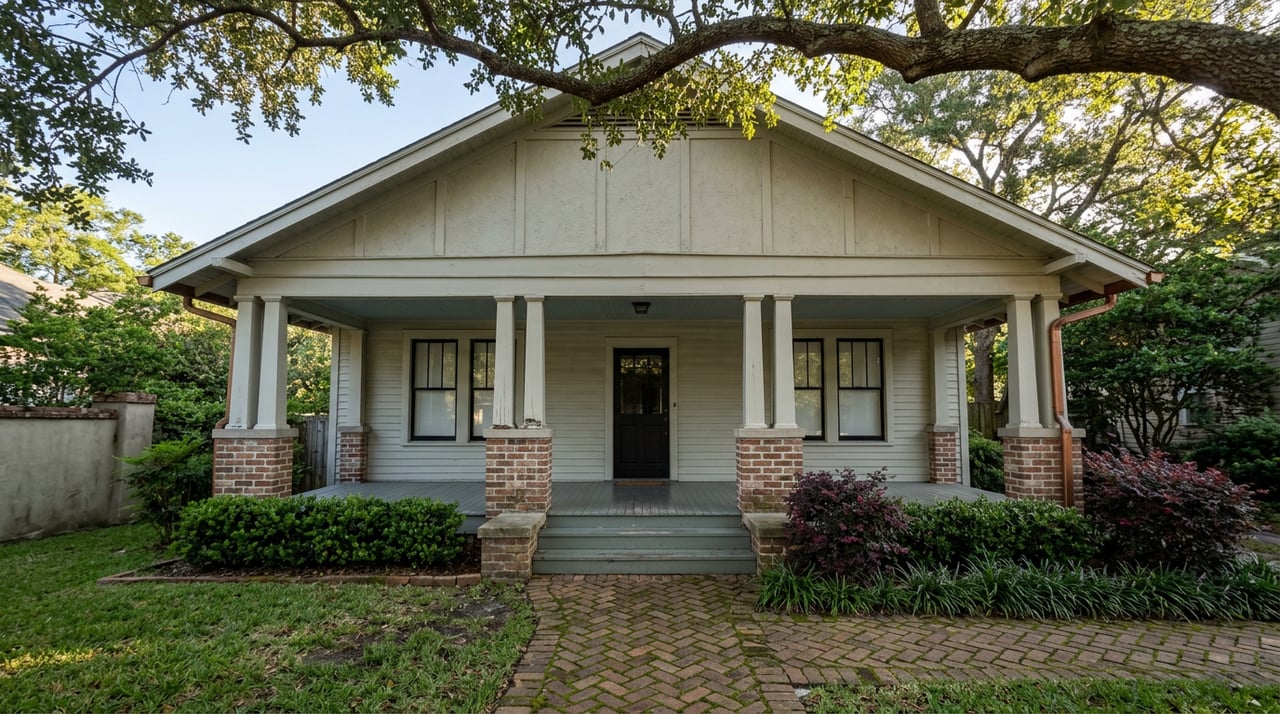
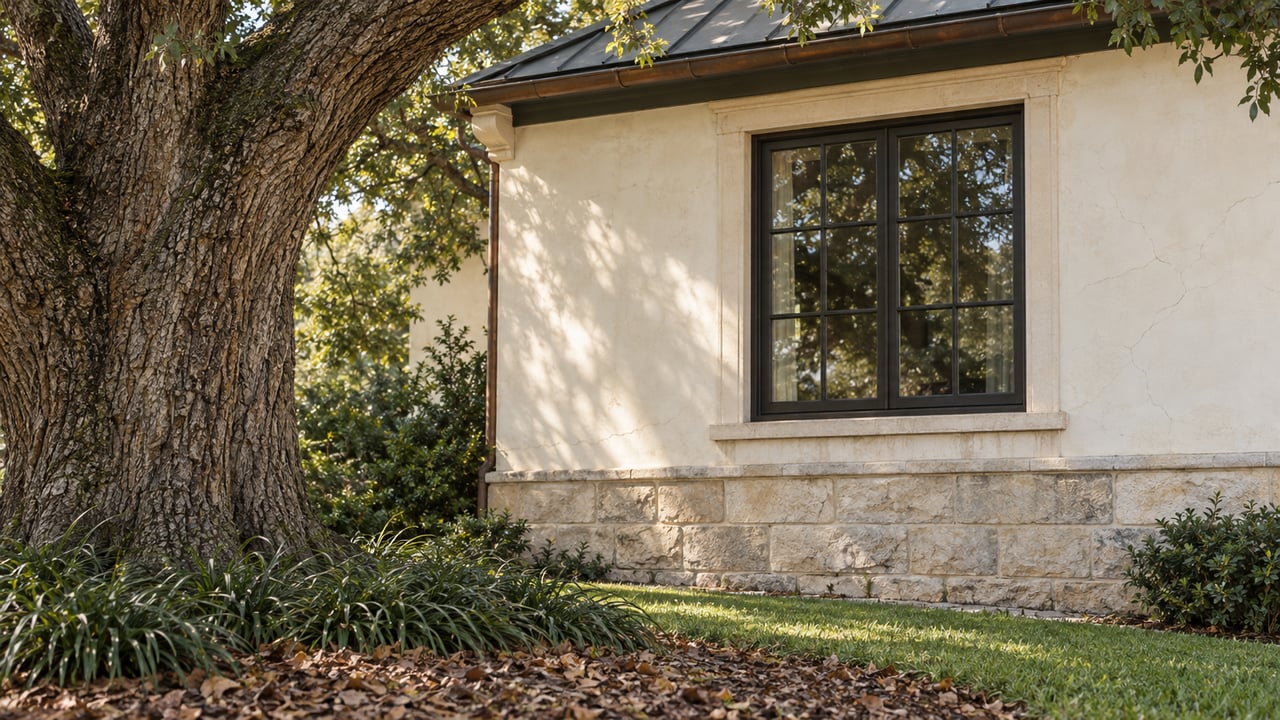
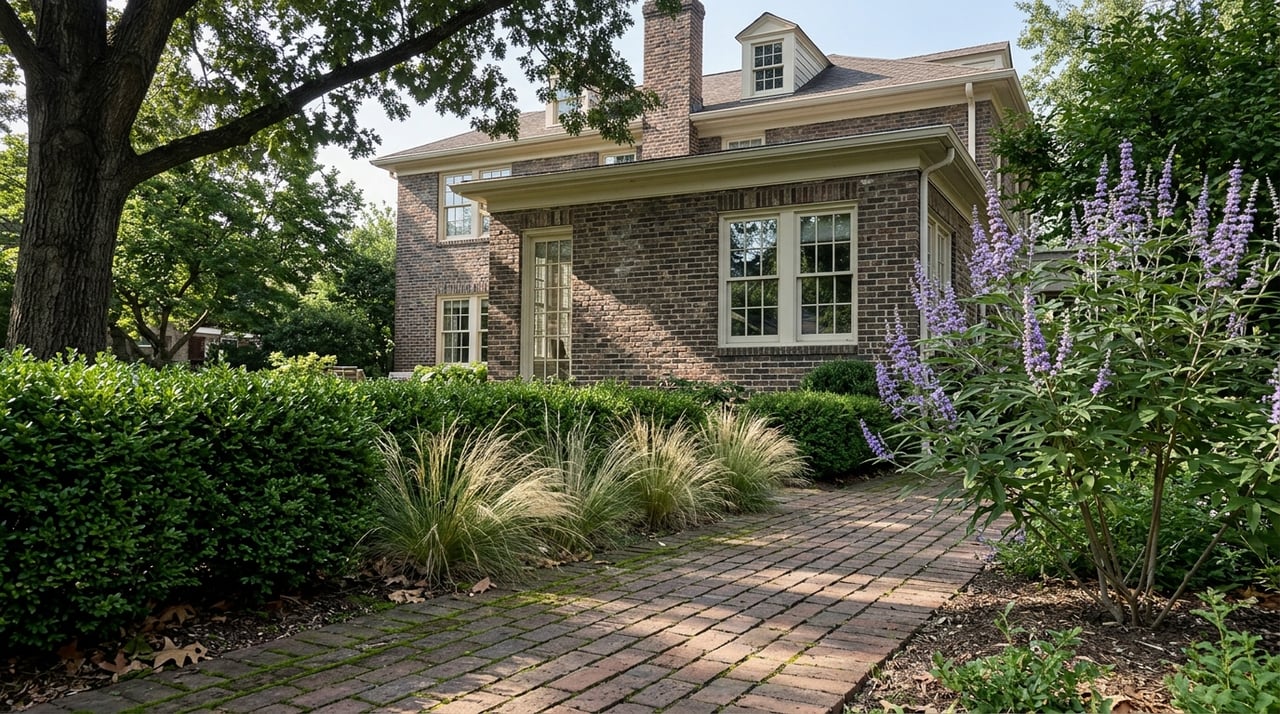
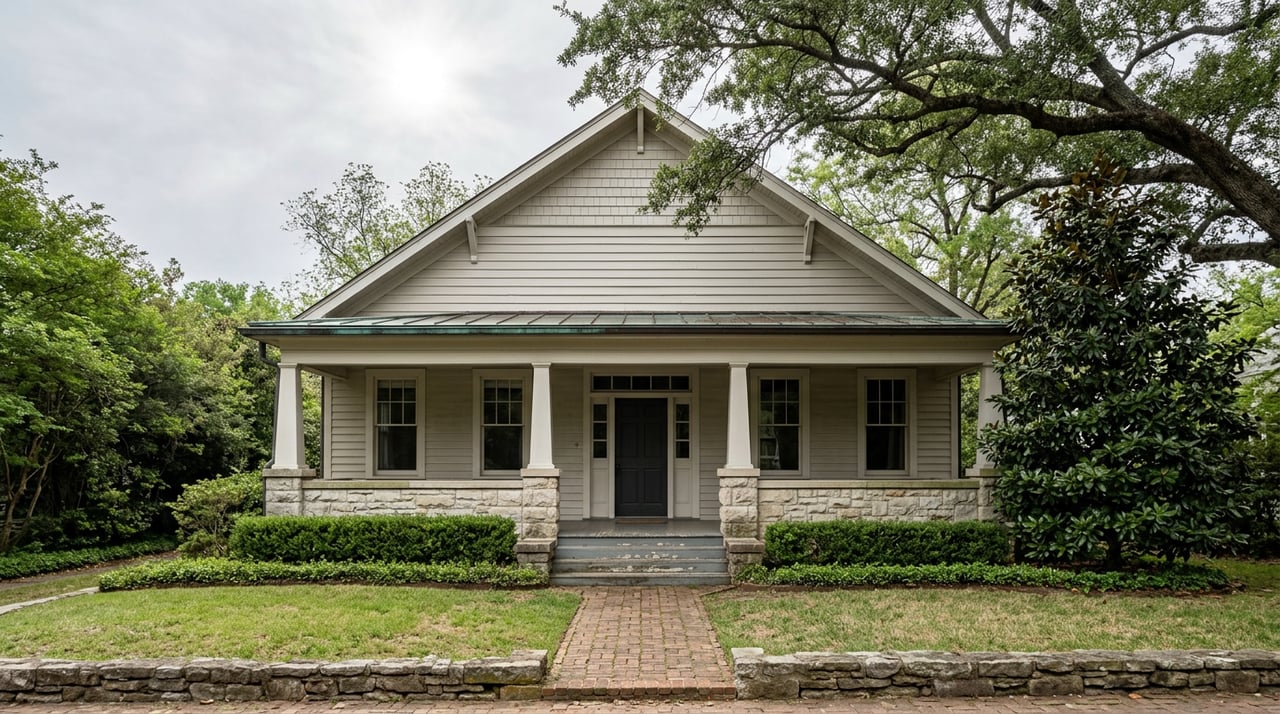
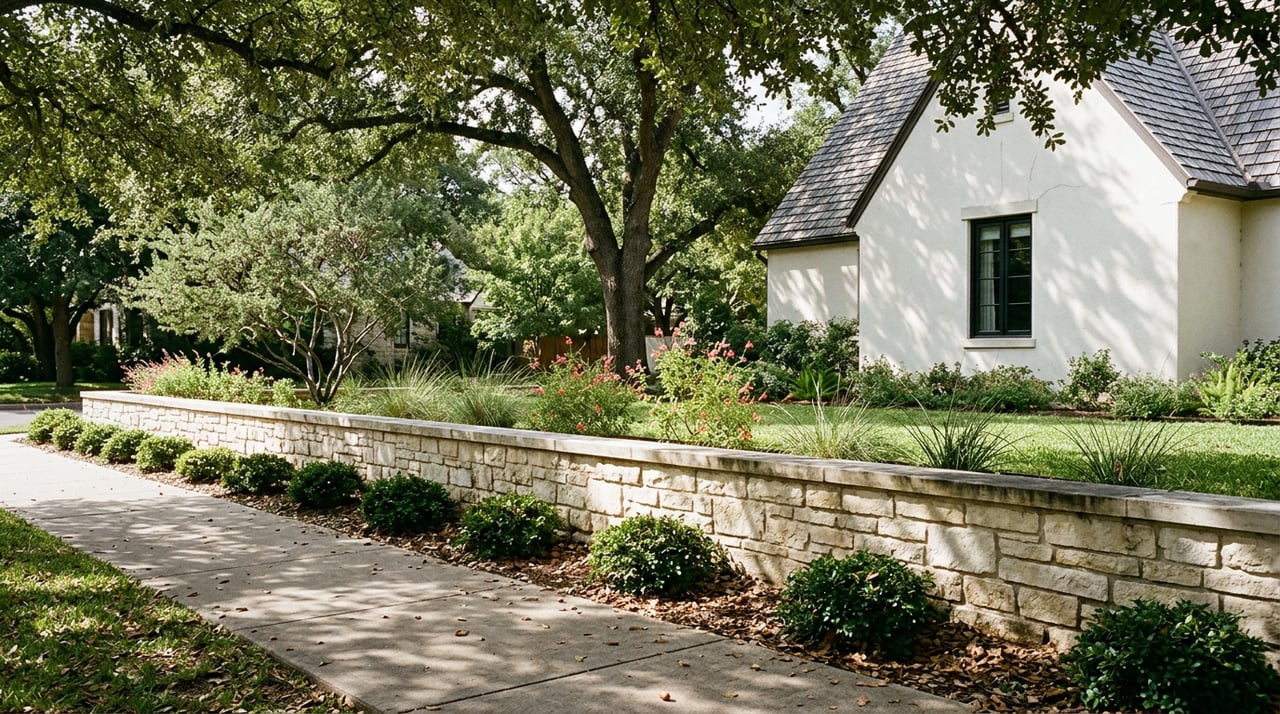
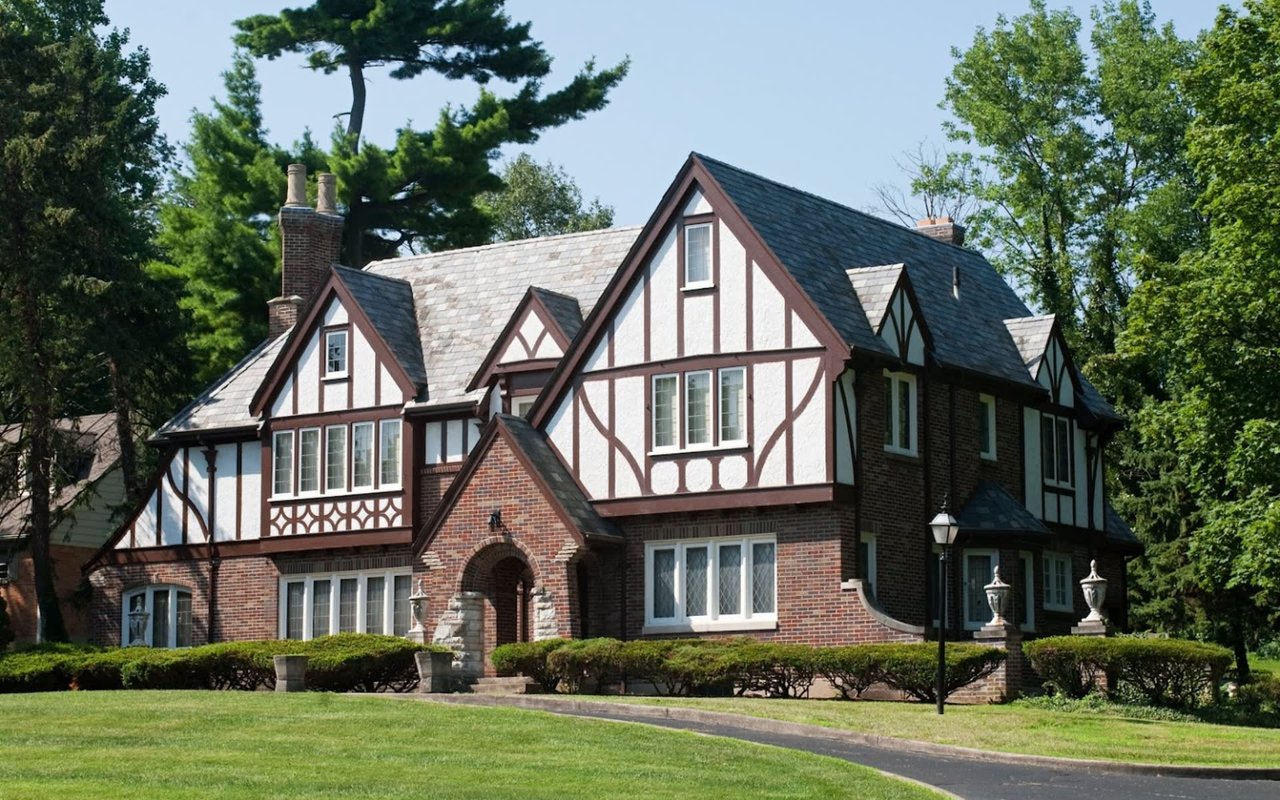
That history shapes how updates should be approached today. The area is known for historically intact single-family homes, wood-frame dwellings, varied cladding, common brick veneer, garages and outbuildings, stone curbing or retaining walls, and park-like landscaping with minimal street-facing fencing. Architectural styles in the area include Tudor Revival, Colonial Revival, Classical Revival, Spanish Colonial Revival, Italian Renaissance Revival, Craftsman, and Prairie School.
Start With Your Property Status
Before you sketch plans or interview contractors, confirm exactly how your parcel is classified. The Austin Historic Preservation page recommends starting with the Historic Property Viewer to see whether a home is a landmark, in a local historic district, or in a National Register district.
That step matters because two homes on the same block may face different review standards. City planning materials note that more than 25 properties in Pemberton Heights carry Historic Landmark Combining District zoning, even though the broader neighborhood is within the Old West Austin National Register Historic District. In other words, you should not assume your neighbor’s approval path will match yours.
National Register vs. Local Rules
The city explains that local historic districts carry the strongest protection, while National Register districts are largely honorific, involve no zoning change, and receive advisory review only. At the same time, Austin instructs owners in National Register districts to submit a historic review application for exterior alterations, additions, permanent site work, signs, and stand-alone new construction.
If your home is a city landmark or in a local historic district, an approved Certificate of Appropriateness must be in place before a building permit is released. That is why it is wise to verify designation early, before investing heavily in design drawings.
Work That May Trigger Review
Historic review can apply to more than large additions. According to Austin’s Certificate of Appropriateness materials, common triggers include:
- New paint colors
- Window and door changes
- Masonry repointing
- Additions
- Fencing
- Major landscape work
- Awnings
- Driveways and sidewalks
- New mechanical equipment
- Roof-shape or roof-material changes
Even some work that does not require a building permit may still require historic review. Replacement windows and roofing materials are two examples that often catch owners by surprise.
Focus on Character-Defining Features
The best historic updates usually begin with a simple question: what should stay visually central to the house? The National Park Service rehabilitation standards emphasize preserving character-defining features, repairing rather than replacing when possible, and matching old materials in design, color, texture, and visual qualities when replacement is unavoidable.
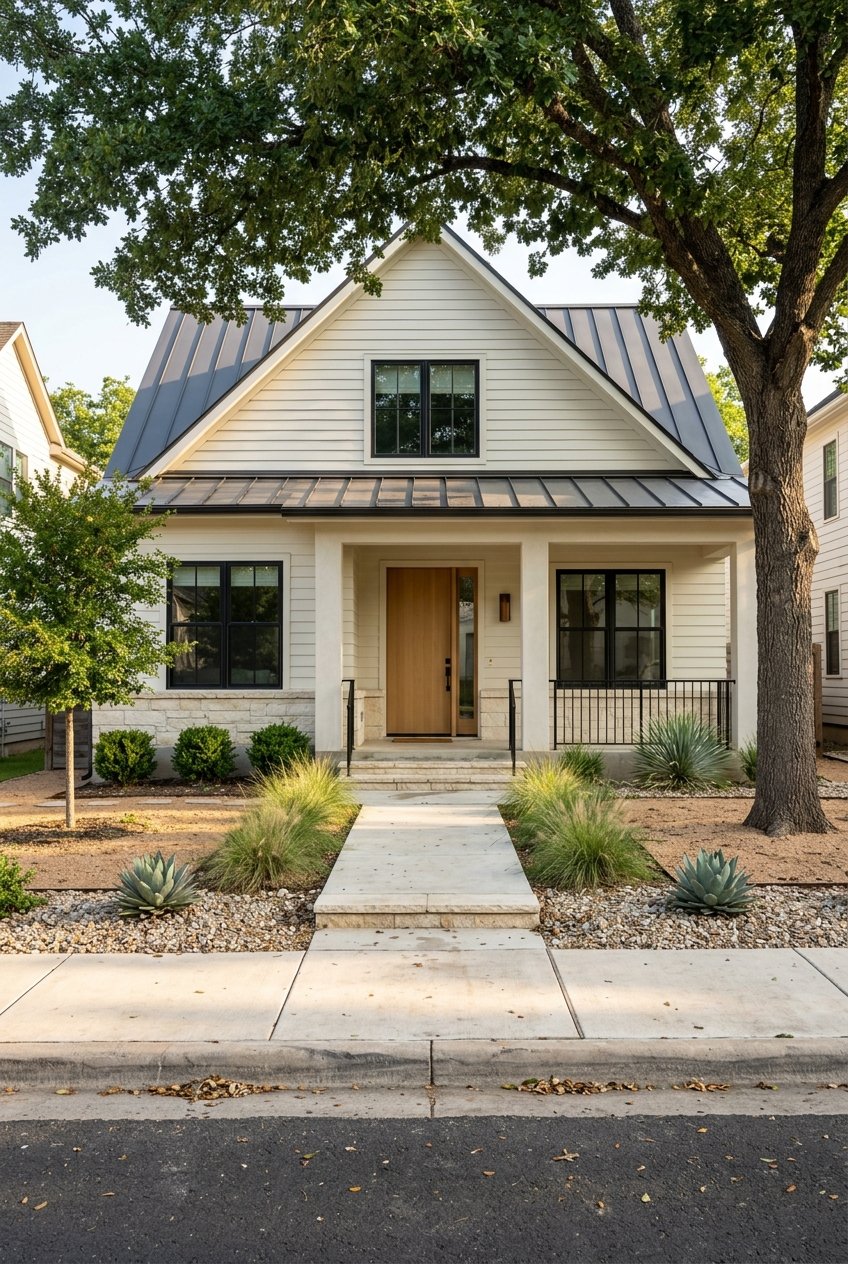
In Pemberton Heights, that often means protecting the front façade, porch proportions, window rhythm, roofline, and street-facing landscape. These are the elements that make a historic home feel grounded in its setting.
Keep the Original House Legible
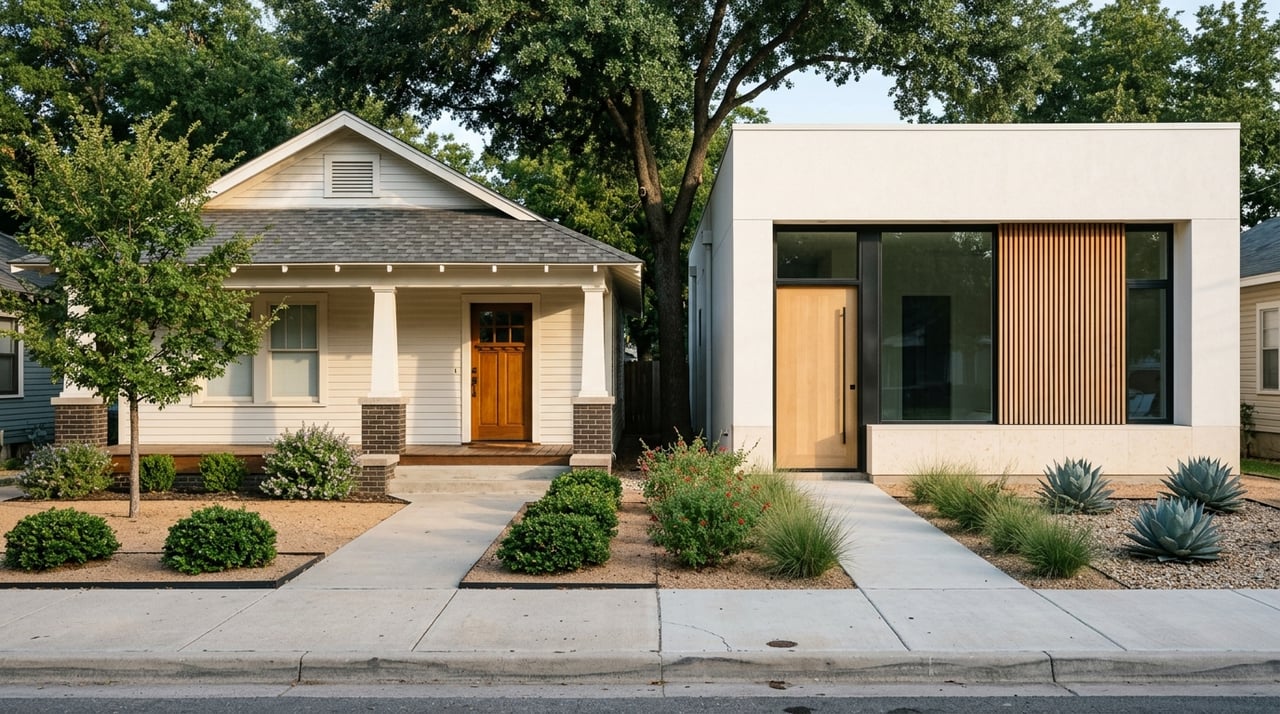
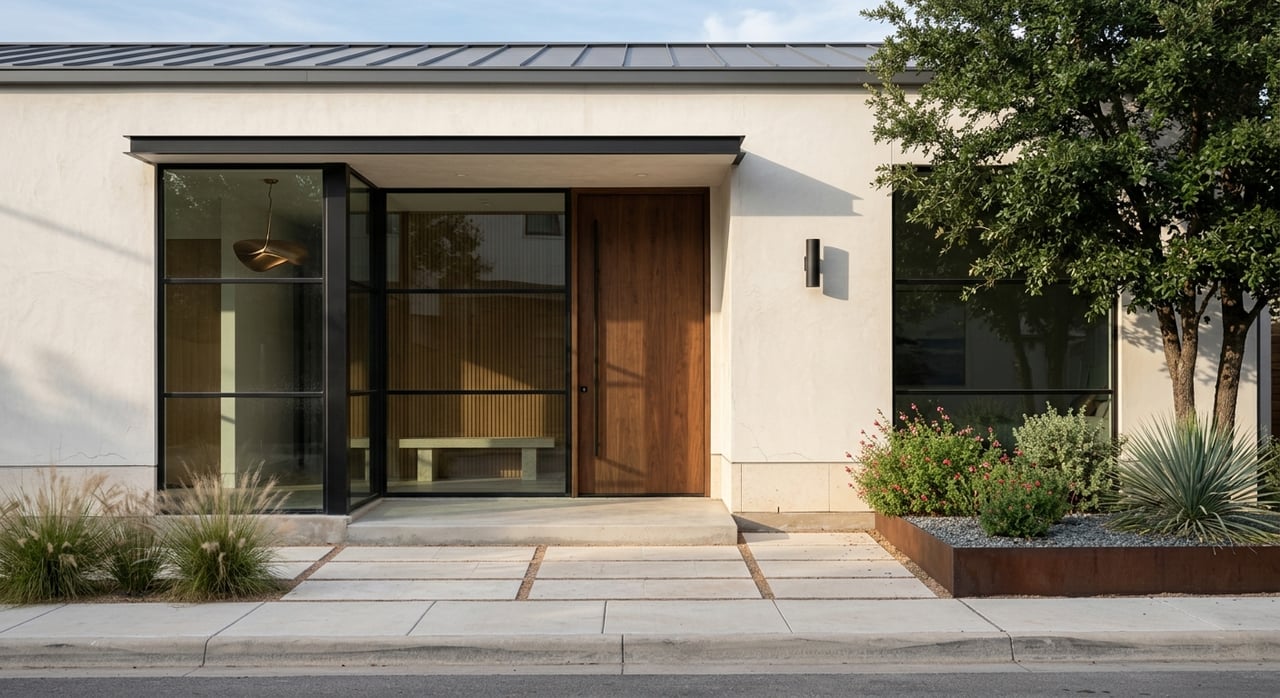
When you add square footage, the goal is not to make old and new indistinguishable. NPS guidance says additions should be compatible yet clearly differentiated, so the original building remains legible.
In practical terms, that usually means keeping additions visually subordinate to the historic home. Rear or less prominent additions often read better than expansions that compete with the front elevation.
Respect the Streetscape
Old West Austin planning materials note that garages, outbuildings, low fences, and park-like planting are part of the district’s historic pattern. That means site work matters just as much as the house itself.
If you are updating a lot in Pemberton Heights, think carefully about fencing height, hardscape coverage, driveway changes, and how landscaping presents from the street. A more open, balanced frontage will often feel more consistent with the neighborhood’s historic character.
Smart Modern Updates That Often Work Well
A historic home does not need to feel frozen in time. Thoughtful updates can improve daily life while still honoring the original architecture.
Kitchens That Add Function Without Erasing Character
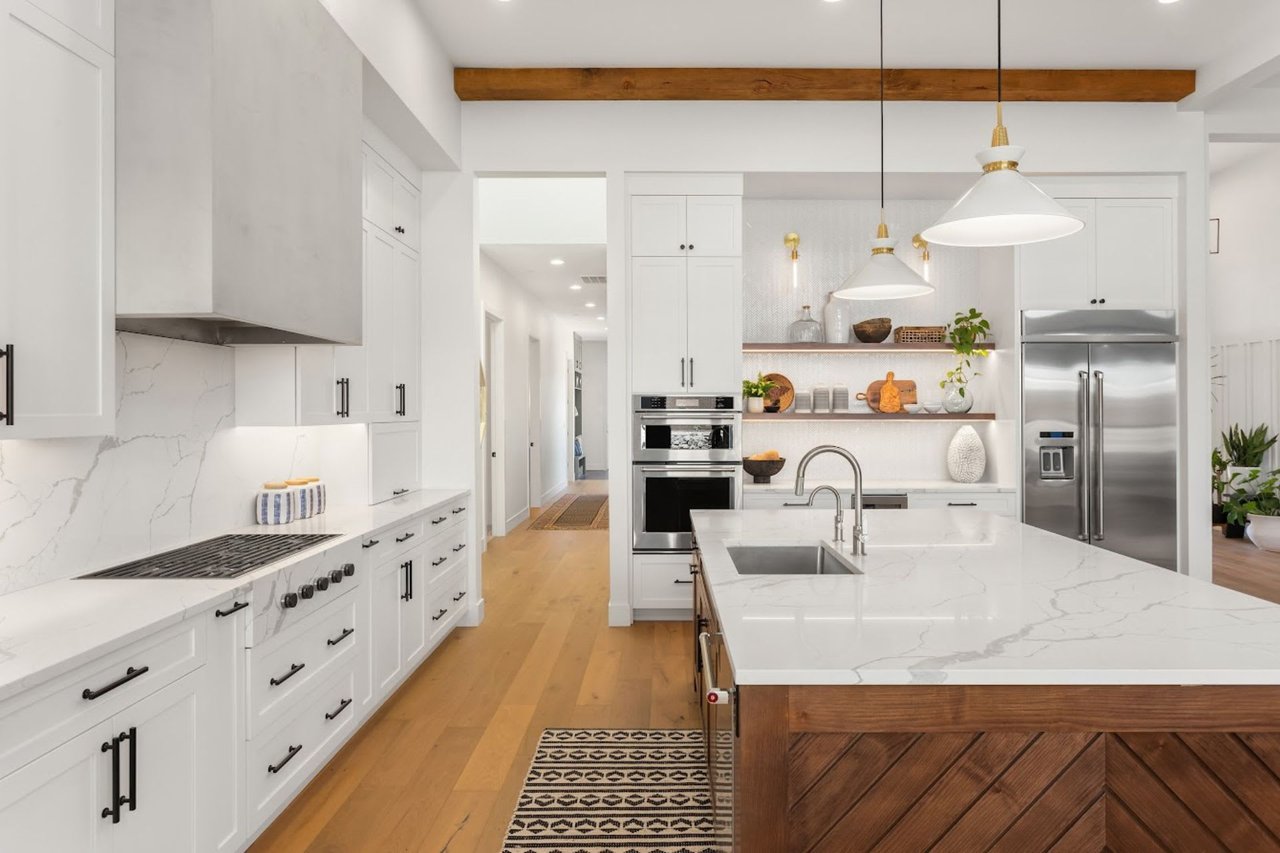
Recent NAR reporting on dated kitchens points to strong buyer response, especially in higher-end markets, to more customized kitchens with coffee bars, strong ventilation hoods, interesting cabinet details, undermount lighting, and vintage touches. That is a useful lens for Pemberton Heights, where buyers often appreciate homes that feel authentic rather than generic.
The strongest kitchen updates usually pair modern performance with details that fit the age and scale of the house. Instead of flattening everything into a trend-driven remodel, consider cabinetry, hardware, lighting, and finishes that feel rooted in the home’s architecture.
Baths That Improve Comfort
Bathroom renovations remain one of the upgrades buyers notice most. NAR’s 2025 Remodeling Impact Report also shows buyers are less willing to compromise on condition, while REALTORS report increased demand for bathroom renovations.
For a historic home, a successful bath update often comes down to proportion and restraint. Better lighting, improved layouts, quality tile, and durable plumbing fixtures can elevate comfort without making the room feel disconnected from the rest of the house.
Roofing, Paint, and Condition Basics
Not every valuable update is dramatic. The same NAR remodeling report found that REALTORS often recommend painting the entire home, painting one room, and replacing the roof before listing.
In a neighborhood like Pemberton Heights, condition sends a strong signal. A well-maintained exterior, sound roof, and carefully chosen paint palette can reassure buyers while reinforcing the property’s architectural presence.
Energy Upgrades Without Losing Integrity
You can improve comfort and efficiency without defaulting to full replacement. The National Park Service recommends repairing historic windows when possible and using replacement only when necessary.
That makes preservation-friendly upgrades worth considering first, including:
- Weatherstripping
- Insulation improvements
- Storm windows
- Careful repair of existing window components
Austin homeowners may also benefit from Austin Energy incentives and grants for existing buildings. If you are planning efficiency work, it is worth checking whether your project may qualify while also confirming how the scope fits your property’s historic review requirements.
What Luxury Buyers Often Notice
In Pemberton Heights, strong resale appeal usually comes from a mix of authenticity and ease. Buyers tend to respond well when original materials and exterior details are preserved, while kitchens, baths, light, and outdoor living are improved.
NAR’s 2025 design trend coverage points toward homes with character, where original materials are paired with updated appliances and cabinetry rather than removed. It also highlights historic paint colors, natural countertops, beams, range alcoves, and improved glazing for light and health.
Outdoor Space Matters
Higher-end buyers also tend to notice curb appeal and usable outdoor space. According to NAR’s kitchen marketing article, a great outdoor area, an upgraded primary bathroom, and strong curb appeal can all support a higher-end sale.
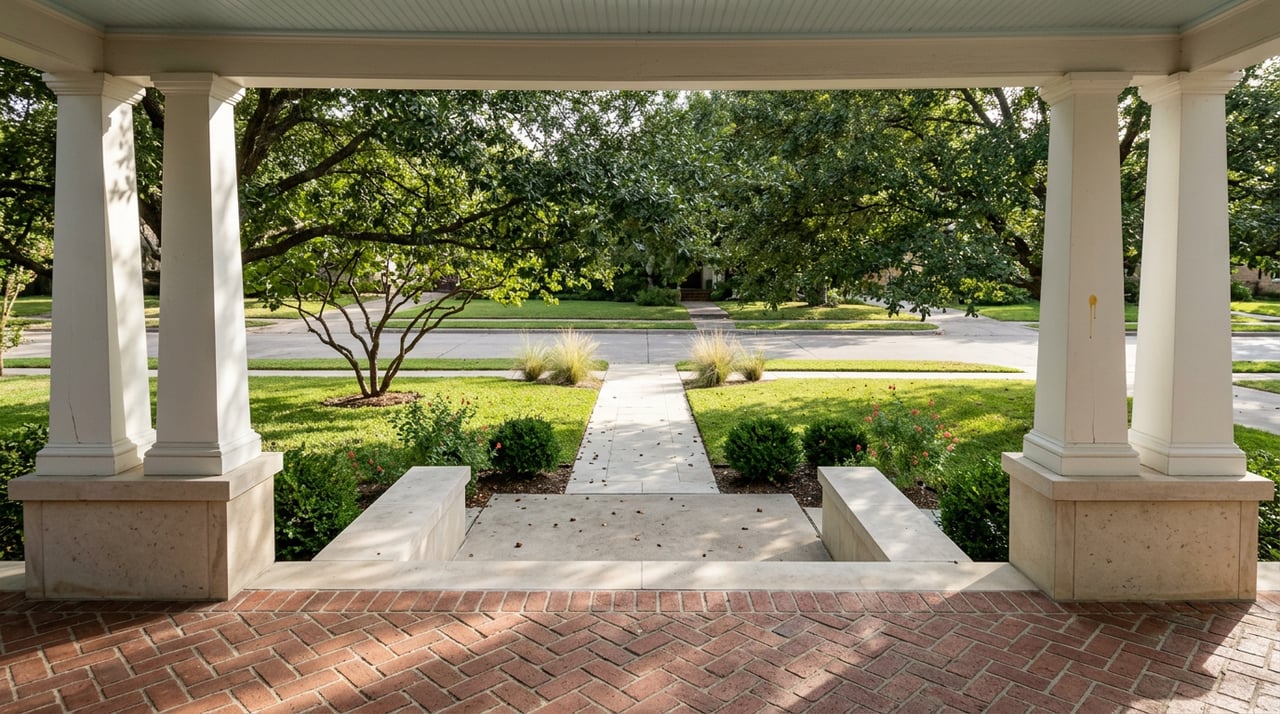
For Pemberton Heights, that often means investing in outdoor spaces that feel settled and proportionate to the house. The goal is not excess. It is creating a seamless connection between the historic home, mature landscape, and modern living.
Plan the Project in the Right Order
Historic renovations usually go more smoothly when you make decisions in a disciplined sequence. That reduces redesign costs and helps you avoid permitting surprises.
A Simple Order of Operations
- Confirm parcel status in the Historic Property Viewer.
- Review the city’s preservation guidance and likely review path.
- Define which original features should be protected.
- Prioritize updates that improve livability and condition.
- Align exterior changes with the home’s architecture and streetscape.
- Ask about incentives tied to designation and project scope.
This kind of planning helps you invest where it counts. It also makes it easier to protect both design integrity and future resale value.
Look for Incentives Before You Finalize Budget
Historic-home projects can involve added planning, but there may be offsetting programs worth exploring. Austin notes that qualifying owners may have access to tax abatement for historic-district rehabilitation, tax exemptions for historic landmarks, and other grant or energy-incentive programs.
Because eligibility depends on the home’s exact designation and the scope of work, confirm your parcel status first and then ask the Historic Preservation Office how your project will be reviewed. That one conversation can help you shape a smarter budget from the beginning.
If you are weighing whether to update, sell as-is, or position a historic property for the luxury market, working with an advisor who understands design, presentation, and neighborhood nuance can make the process far more strategic. When you are ready for thoughtful guidance in Central Austin, connect with Nina Seely for a refined, locally informed approach.
FAQs
What makes a home in Pemberton Heights historic?
- Many homes in Pemberton Heights sit within the Old West Austin National Register Historic District, an area recognized for its historically intact homes, architectural variety, and established streetscape patterns.
How do you check historic rules for a Pemberton Heights property?
- Start with Austin’s Historic Property Viewer through the city’s Historic Preservation resources to confirm whether your parcel is a landmark, in a local historic district, or in a National Register district.
Do exterior changes in Pemberton Heights need city review?
- They often can, especially for exterior alterations, additions, site work, windows, roofing, fencing, and other visible changes, so it is important to verify the review path before starting design or construction.
What updates usually add value to a historic home in Pemberton Heights?
- Thoughtful kitchen and bathroom renovations, strong roof and paint condition, improved outdoor space, and preservation-minded energy upgrades often resonate most when they support the home’s original character.
Are there incentives for updating a historic home in Austin?
- Austin offers programs that may include tax abatement for qualifying historic-district rehabilitation, tax exemptions for historic landmarks, and certain energy-related incentives, depending on the property and project scope.