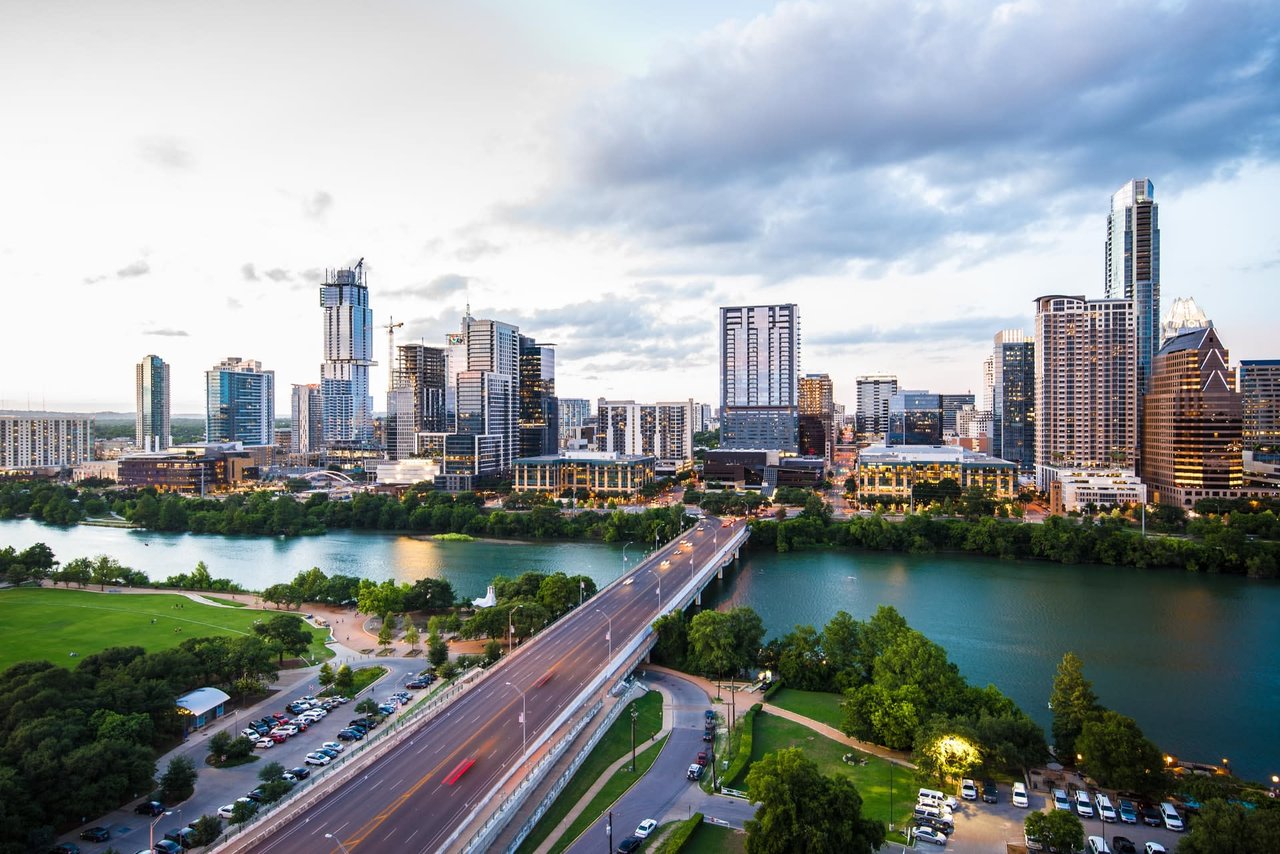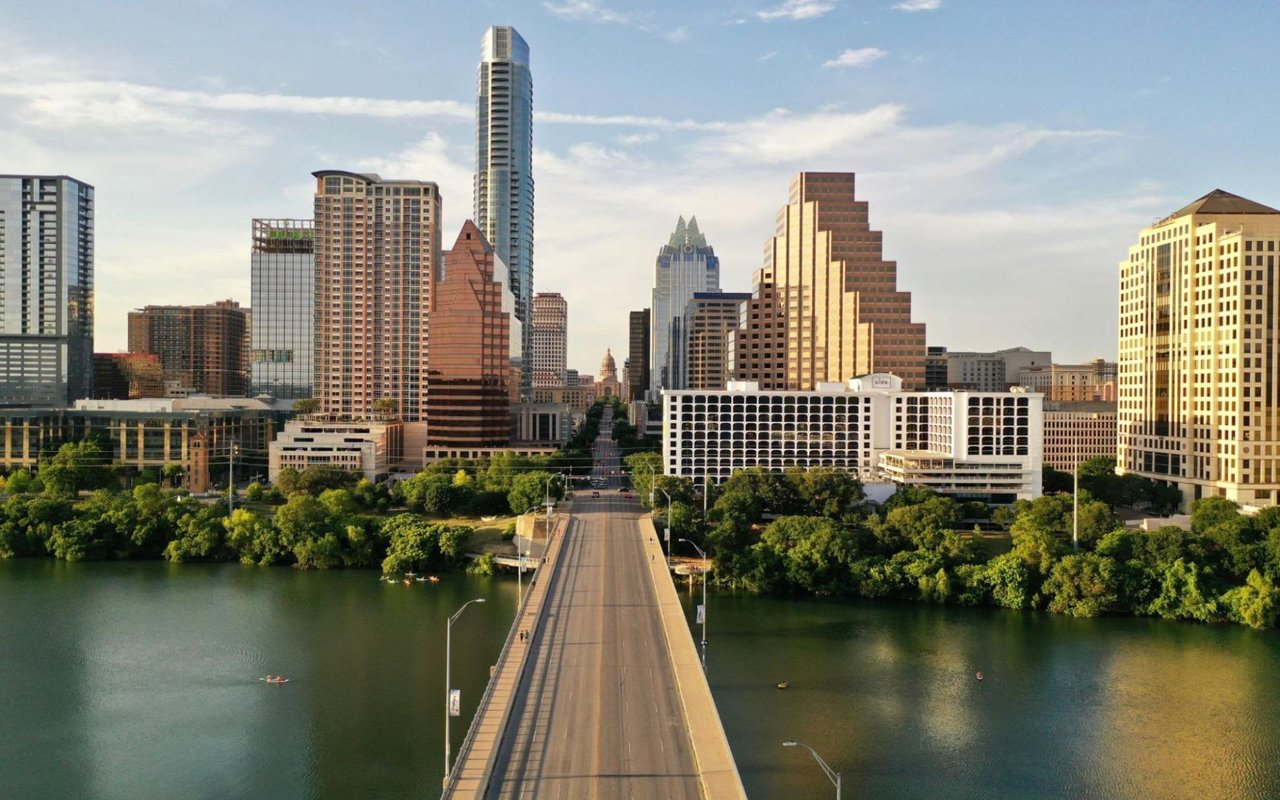
If you want central Austin access without feeling like you live in the middle of nonstop activity, Clarksville stands out quickly. Day to day, it offers something many buyers look for but do not always find: a neighborhood that feels rooted, residential, and connected at the same time. When you understand how Clarksville moves from morning to evening, it becomes much easier to picture whether it fits your life. Let’s dive in.
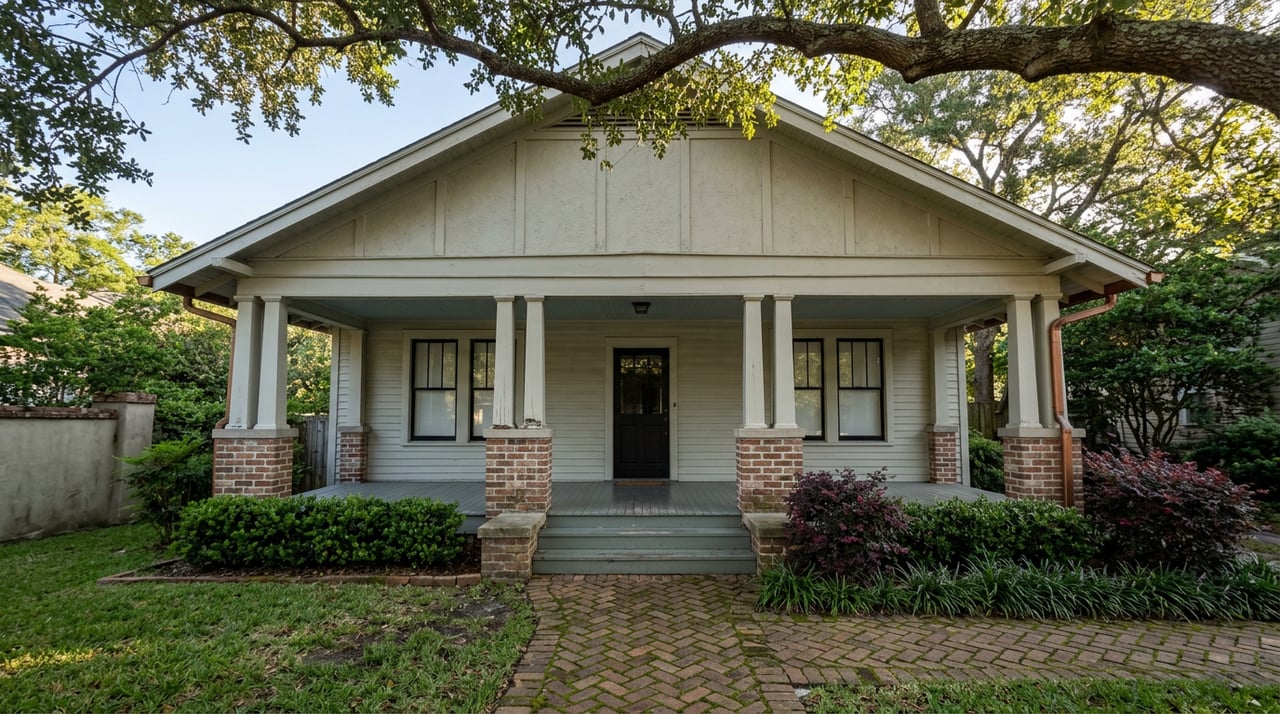
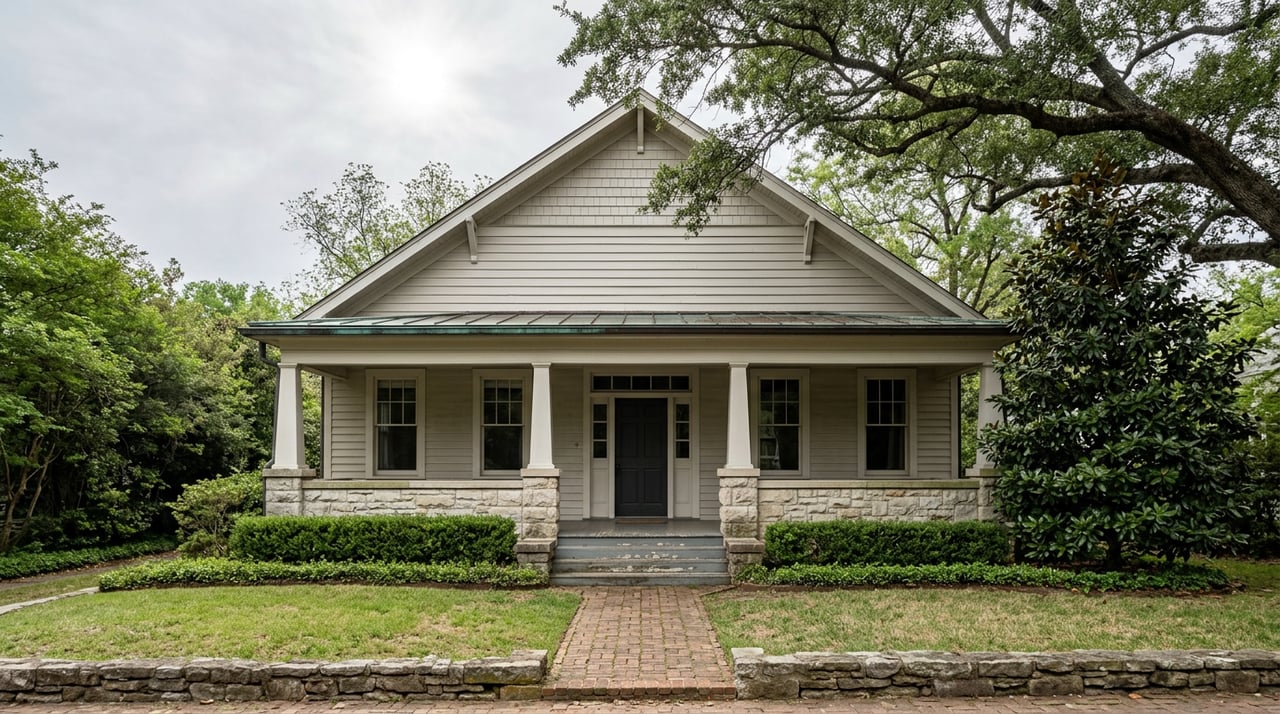
Clarksville Feels Historic and Lived In
Clarksville is one of Austin’s earliest freedom colonies, first settled in 1871 by Charles Clark after emancipation. That history is not just a footnote. It still shapes how the neighborhood feels, how it has been preserved, and why so many people describe it as having a strong sense of place.
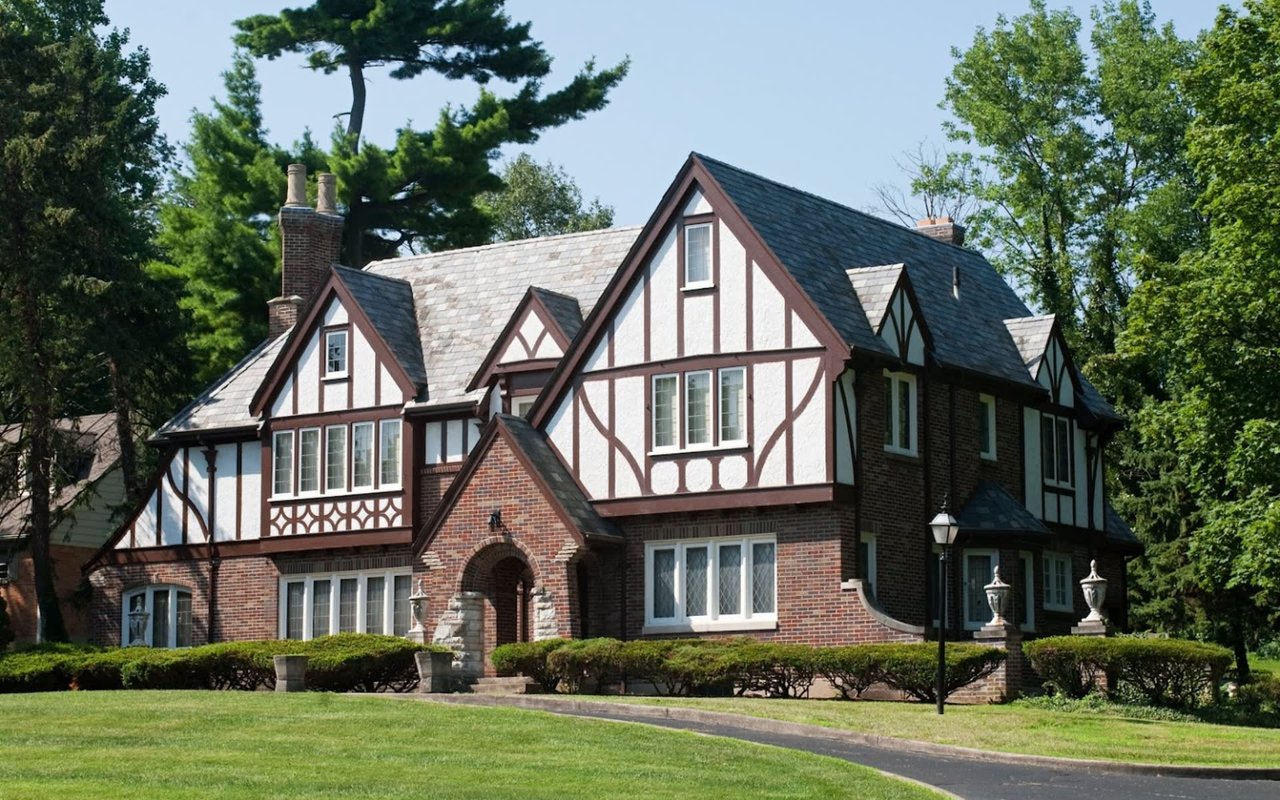
The community’s historic footprint is generally defined by West Lynn, the Missouri-Pacific tracks, 10th Street, and Waterston Avenue. You can still see that legacy in places like the Hezikiah Haskell House at 1703 Waterston Avenue, which the City of Austin describes as the oldest registered structure in Clarksville. In everyday terms, that means Clarksville does not read like a brand-new district built all at once. It feels layered, established, and tied to memory.
That sense of continuity is reinforced by community stewardship. The Clarksville Community Development Corporation focuses on preserving the neighborhood’s history, building community, and maintaining diversity through affordable housing. It also organizes events and sponsors a community garden, which adds to the feeling that Clarksville is a neighborhood people actively care for, not just a place people pass through.
The Daily Pace Is Calm Inside
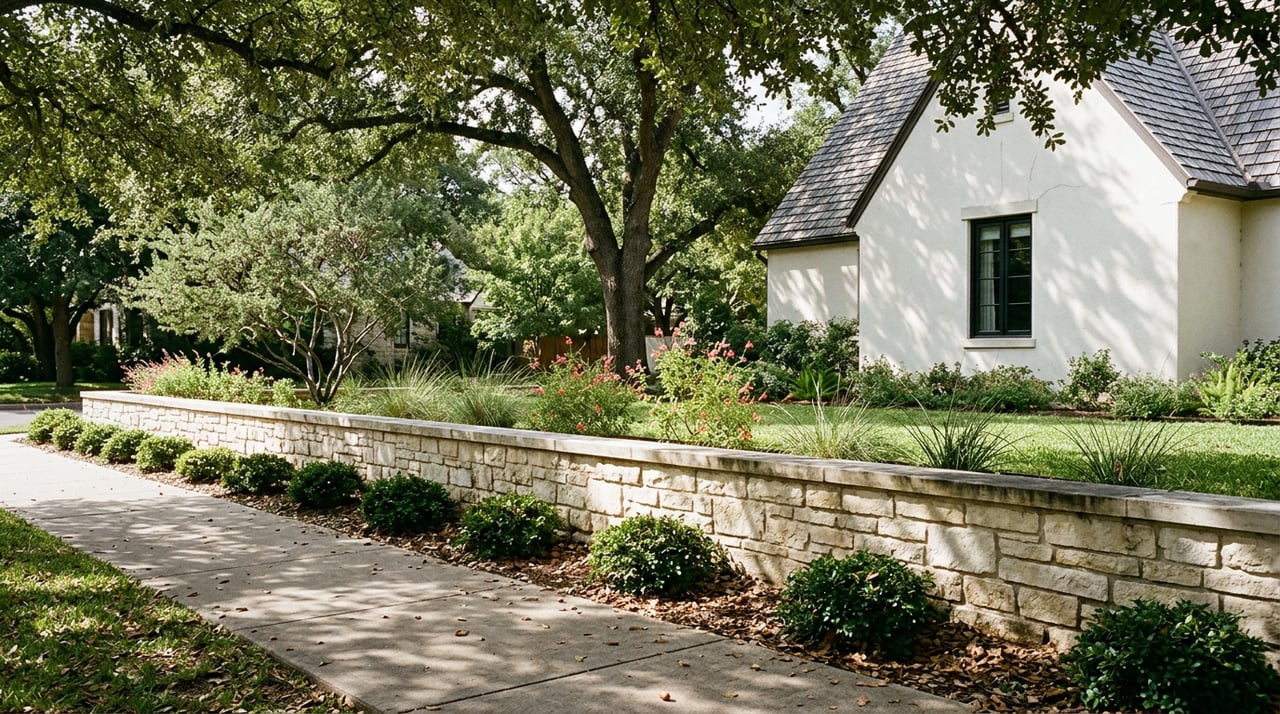
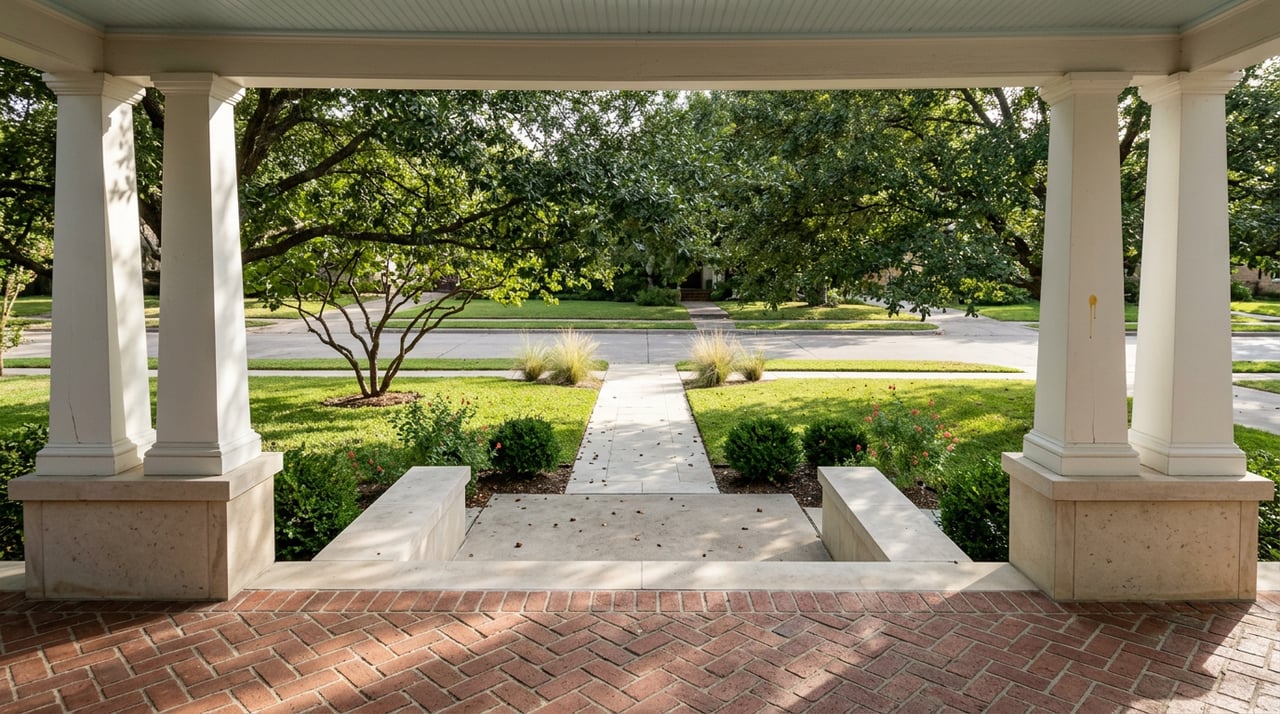
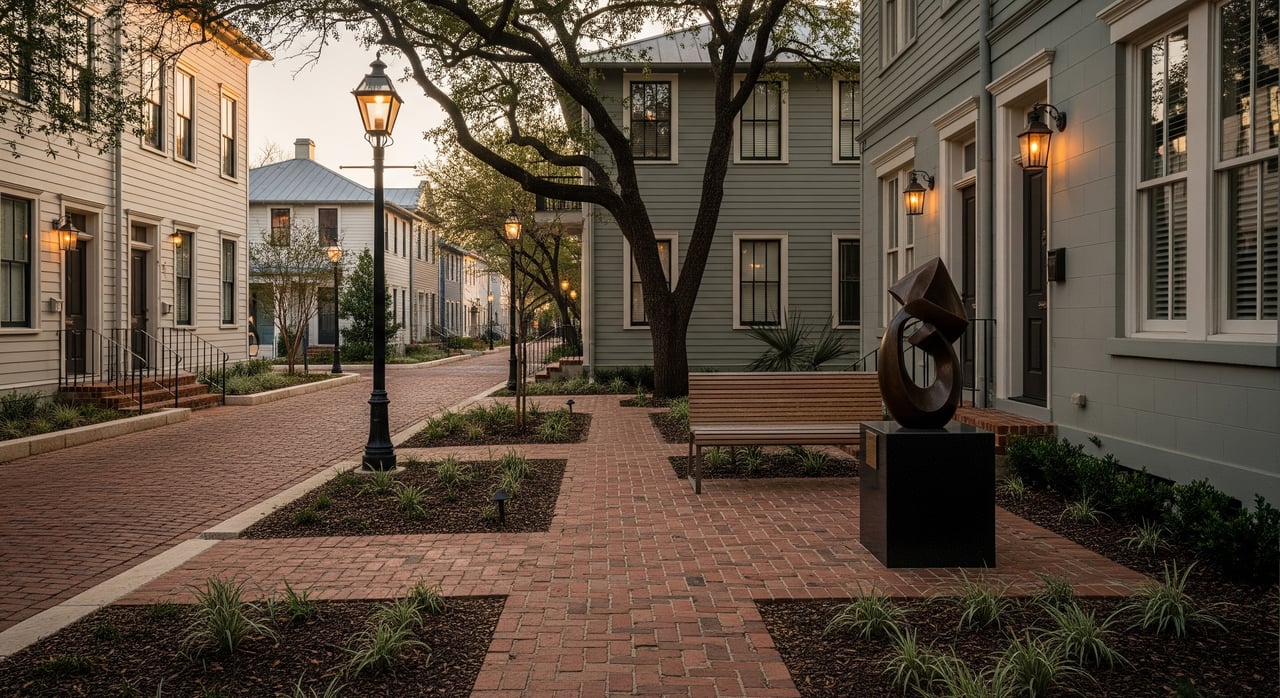
One of the clearest things about Clarksville is its rhythm. While it sits just west of downtown, the interior streets tend to feel more residential in character than the busier edges around West 6th. City preservation guidance and the Old West Austin neighborhood plan both support a smaller-scale environment, especially where commercial activity transitions toward homes.
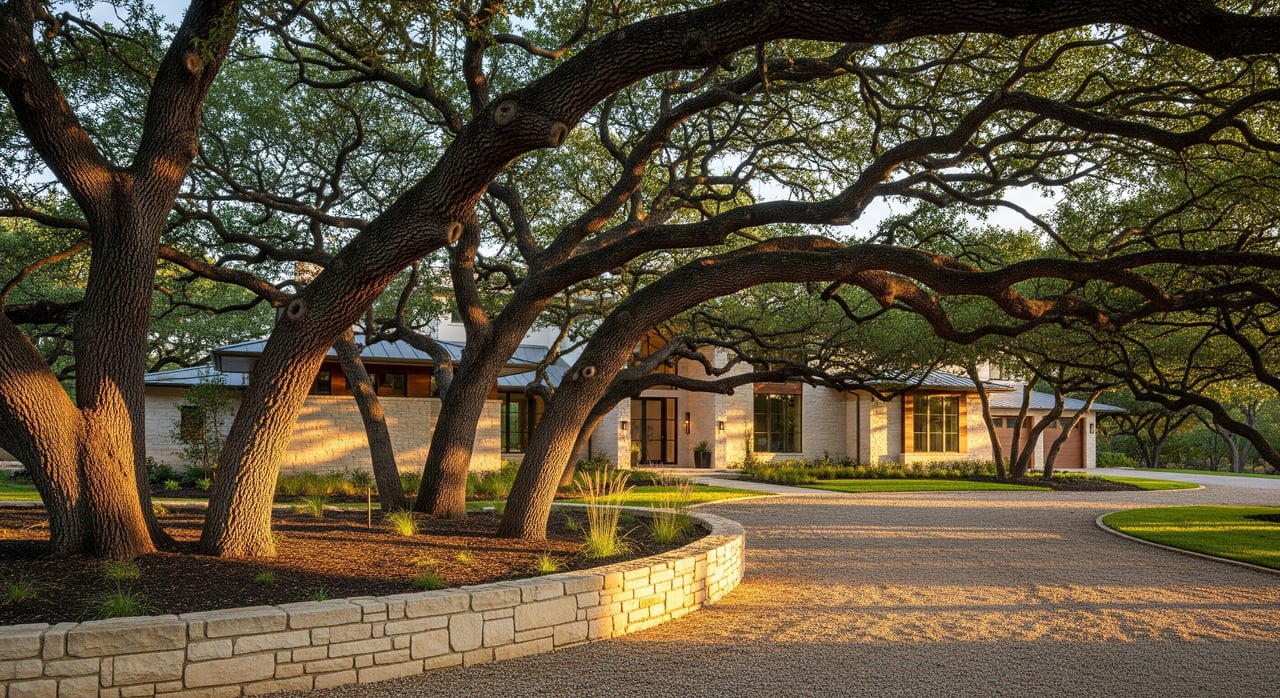
That matters in a practical way. When you turn off the perimeter streets, the atmosphere tends to feel quieter and more settled. The neighborhood plan also emphasizes maintaining shade trees, which supports the impression of a calmer, greener day-to-day setting.
Clarksville’s hilly streets and views add to that experience. Instead of feeling flat and overly built-up, the neighborhood has a bit more texture as you move through it. For many buyers, that creates a daily routine that feels more balanced than living directly in a dense commercial core.
Parks Are Part of Everyday Life
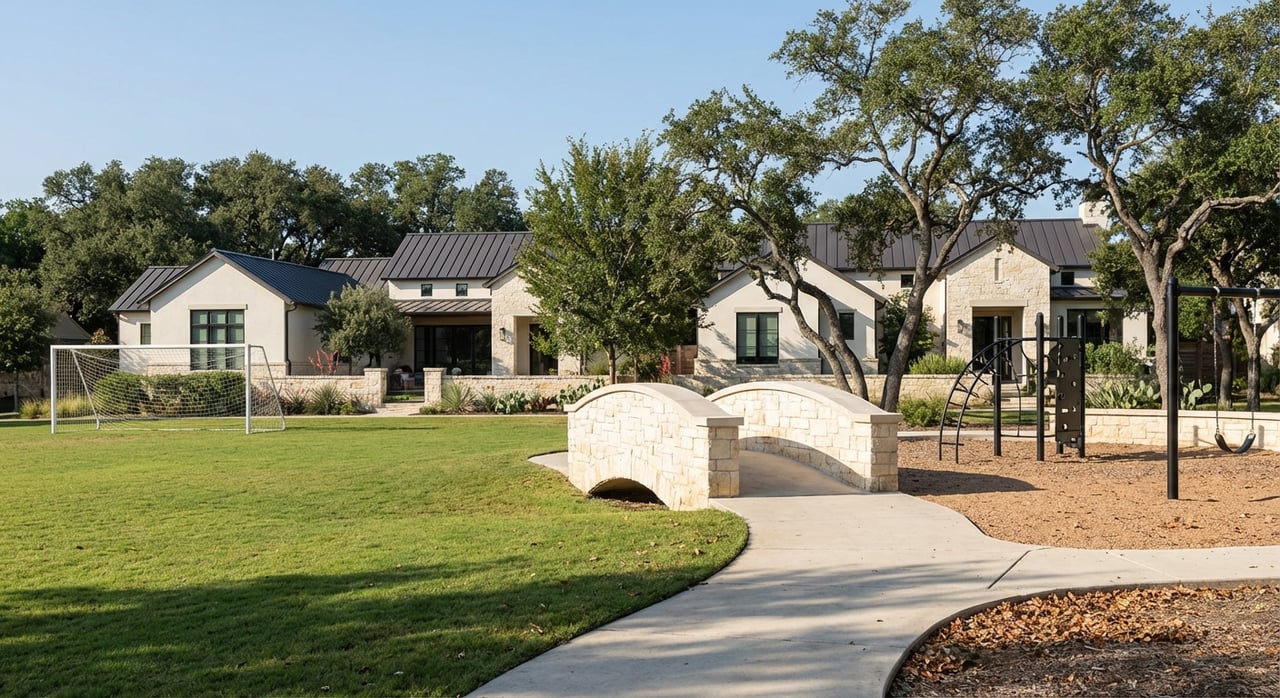
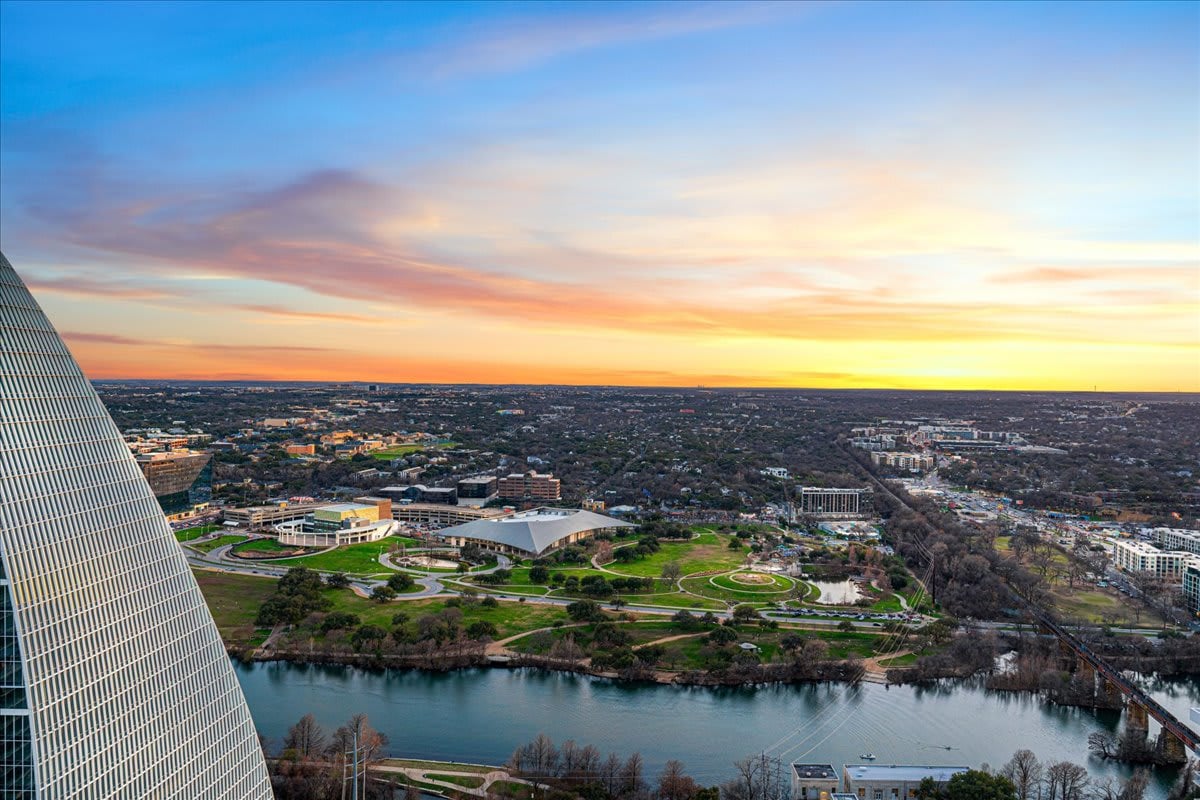
Clarksville’s access to parks is a major part of what living here feels like. The Clarksville CDC says the neighborhood is within walking distance of four city parks, with two splash pads, three pools, playscapes, pickleball and basketball courts, and picnic tables. That kind of access can shape your week in simple but meaningful ways.
You may be able to fit a short walk, a playground stop, or an outdoor break into your normal routine without much planning. The Old West Austin plan also calls for keeping the wading pools in West Austin Park and Mary Baylor Park open daily in summer and maintaining shade trees in West Austin Park and Clarksville Park. That points to outdoor spaces that are intended to stay active and usable, especially during warmer months.
For buyers who want a central location but still value room to breathe, this is one of Clarksville’s strongest everyday advantages. You are close to the city, but nature and open space are still part of the neighborhood pattern.
Dining and Coffee Stay Close By
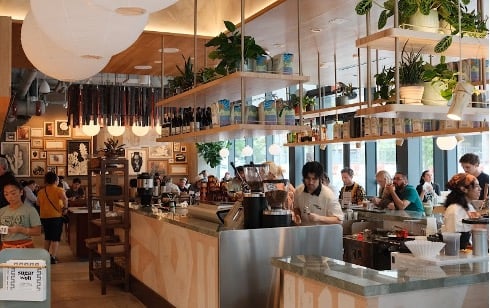
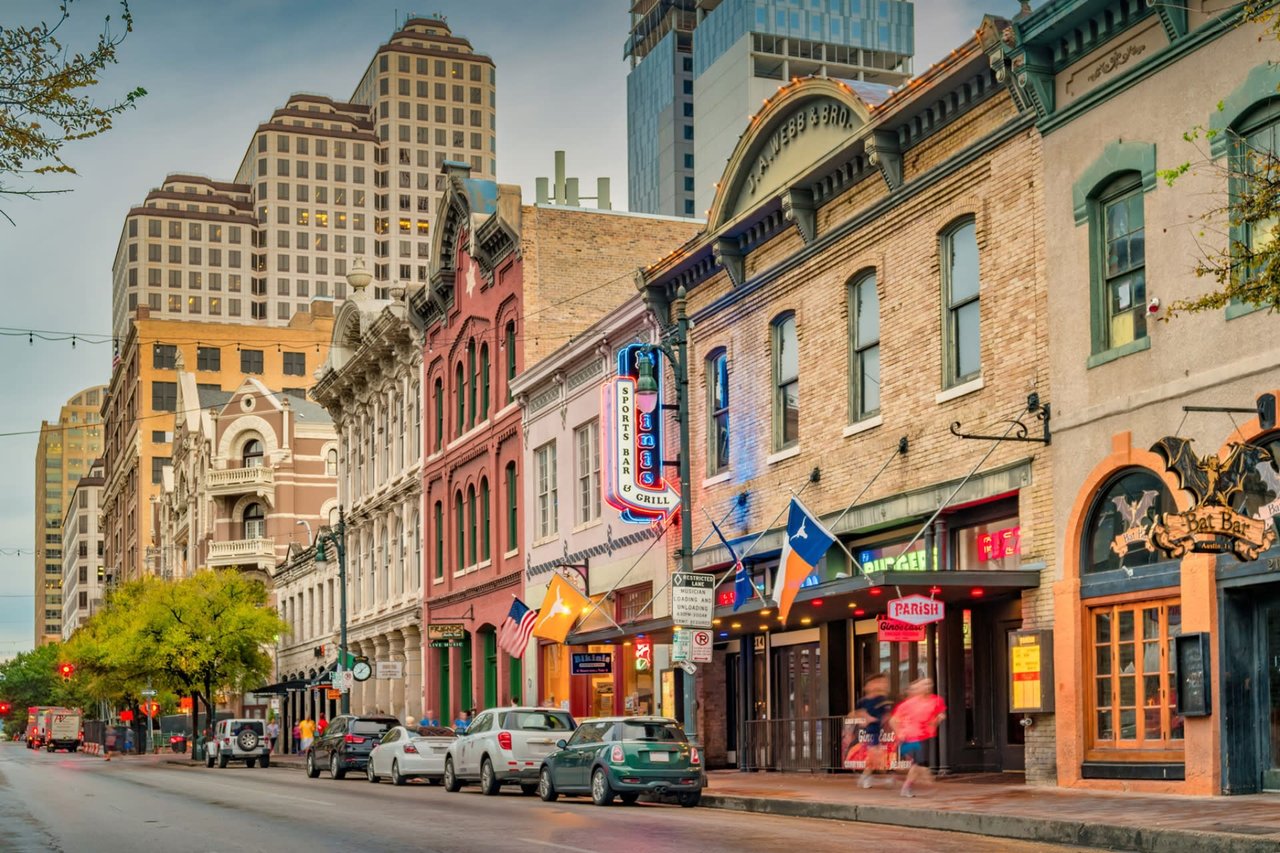
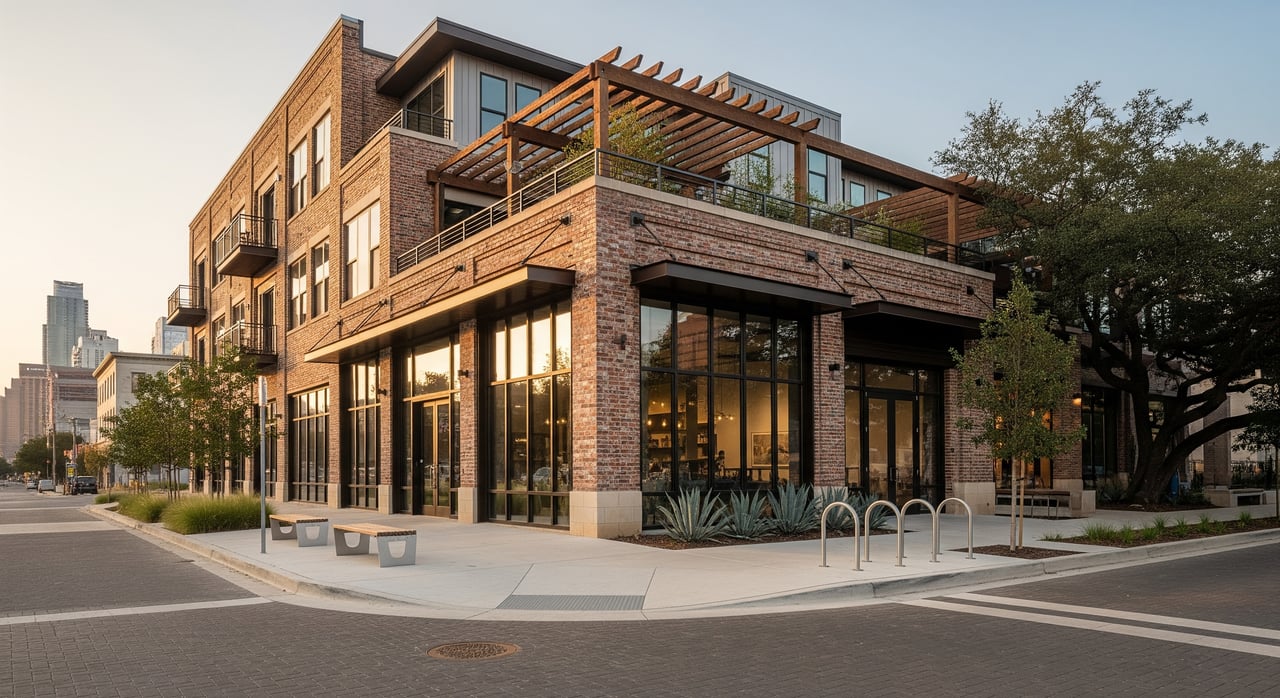
Clarksville’s amenity pattern is not spread evenly across every block. Instead, much of the activity is concentrated along the neighborhood’s edges and nearby corridors. In daily life, that often means your home base feels quieter, while coffee, restaurants, and gallery stops stay nearby.
Visit Austin highlights destinations in and around Clarksville such as Swedish Hill, Better Half Coffee & Cocktails, Caffe Medici, Clark’s Austin, Cipollina, Howard’s/Rosie’s, Josephine House, and Wally Workman Gallery. Josephine House is located in a cottage setting just west of downtown, with indoor and outdoor seating, which fits the neighborhood’s small-scale character.
This setup gives Clarksville a practical kind of convenience. You do not have to live above constant commercial activity to enjoy it. Instead, you can step out for a meal, coffee, or casual meet-up, then return to streets that still read as residential.
Arts and Downtown Are Within Easy Reach
Clarksville works especially well if you like being near Austin’s cultural core without living directly in it. Wally Workman Gallery operates from a 120-year-old historic house, which mirrors the neighborhood’s mix of culture and preservation. Downtown access also expands your options without making every outing feel like a major trip.
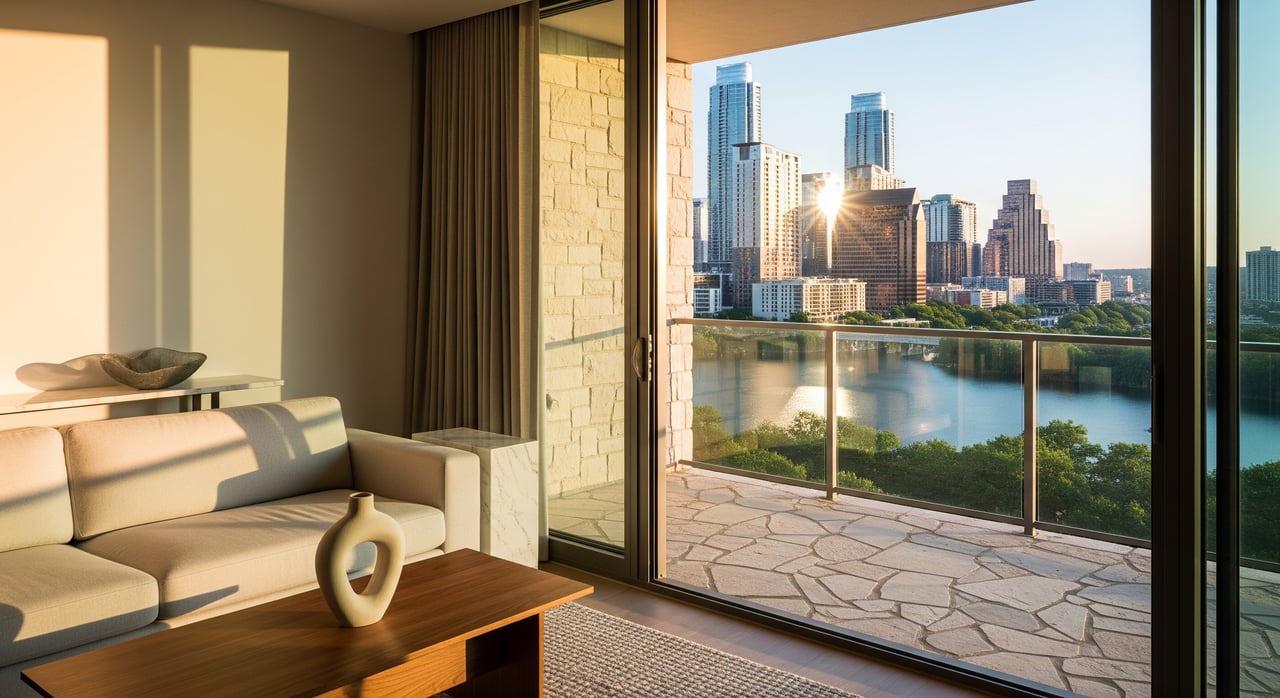
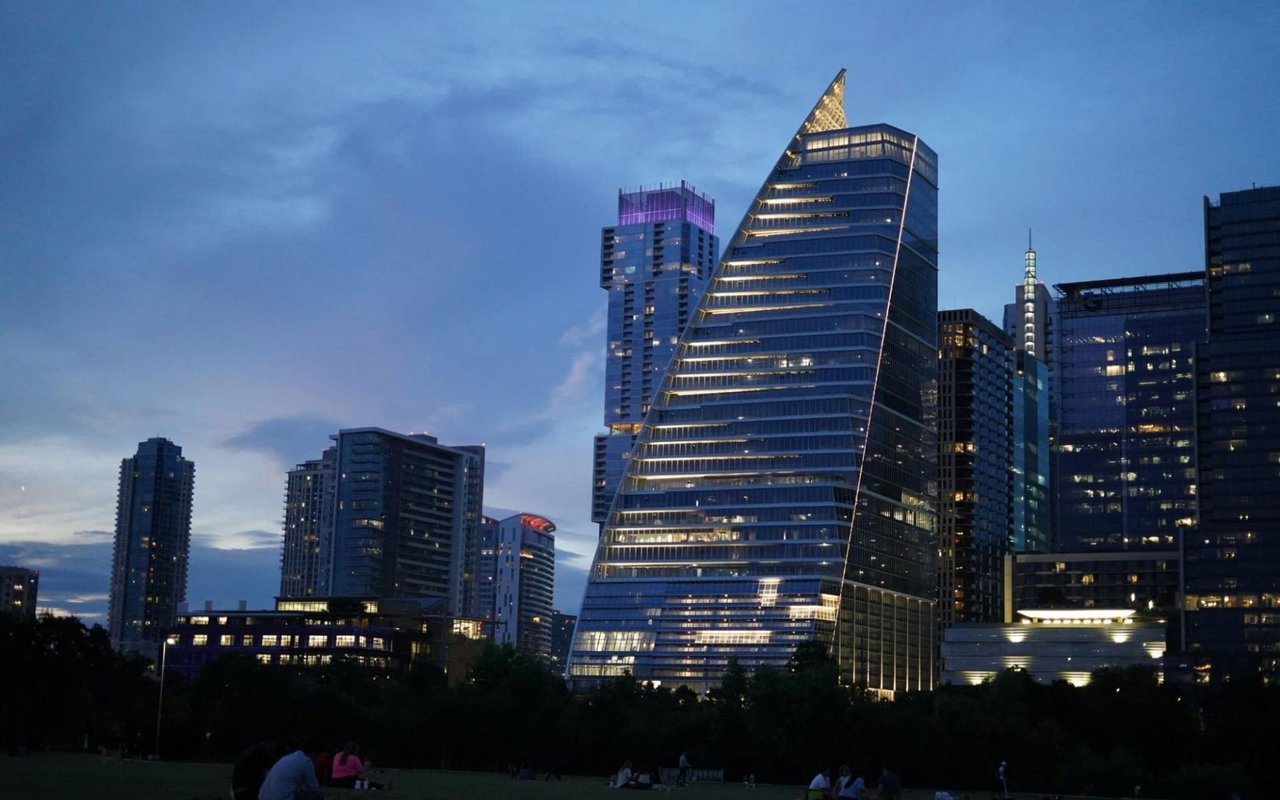
The Contemporary Austin’s Jones Center is at 700 Congress Avenue in downtown Austin. Visit Austin describes downtown as compact and walkable, with most districts within a 15 to 20 minute walk of each other. For you, that can translate into an easy evening that includes art, dinner, and time downtown while still returning home to a quieter neighborhood setting.
That balance is one of Clarksville’s defining strengths. You are near the energy, but not consumed by it.
Preservation Matters if You Buy Here
If you are considering buying in Clarksville, preservation rules are one of the most important practical factors to understand. The City of Austin says exterior alterations, additions, permanent site work, signs, and ground-up new construction on contributing properties in historic districts and National Register districts require historic review. Historic property status may apply at both local and national levels.
This does not shape your grocery run or evening walk, but it can affect what ownership looks like over time. If you are planning a remodel, addition, or significant exterior change, it is important to understand the review process early. In a neighborhood like Clarksville, part of the value is tied to preservation, so stewardship is part of ownership.
For many buyers, that is a positive. It helps protect the scale and character that make Clarksville feel distinct in the first place.
Who Clarksville Often Fits Best
Clarksville can be a strong fit if you want a central Austin address with an established identity, access to parks, and nearby dining and arts. It also works well if you like the idea of living near downtown while keeping a more residential home environment. The neighborhood offers convenience, but it does not appear to be built around nonstop activity on every block.
On the other hand, if you want constant commercial energy throughout the entire neighborhood, Clarksville may feel more subdued than you expect. The planning framework and current amenity pattern point to a livelier perimeter and a calmer interior. For many buyers, that is exactly the appeal.
At its best, day-to-day life in Clarksville feels connected, walkable, and grounded in Austin history. If you are exploring central Austin neighborhoods and want help comparing lifestyle fit, preservation considerations, and available opportunities, Nina Seely offers the kind of thoughtful, high-touch guidance that helps you make a confident move.
FAQs
What is daily life like in Clarksville, Austin?
- Daily life in Clarksville tends to feel residential, calm, and connected, with quieter interior streets, nearby parks, and easy access to dining, galleries, and downtown Austin.
What makes Clarksville different from other central Austin neighborhoods?
- Clarksville stands out for its roots as one of Austin’s earliest freedom colonies, its preserved historic character, and its balance of a quieter home base with convenient access to central-city amenities.
Are parks easy to access in Clarksville?
- Yes. The Clarksville CDC says the neighborhood is within walking distance of four city parks with amenities that include splash pads, pools, playscapes, courts, and picnic tables.
Is Clarksville close to downtown Austin?
- Yes. Clarksville is just west of downtown, and its location makes it easy to reach downtown dining, arts, and entertainment.
What should buyers know about owning property in Clarksville?
- Buyers should pay close attention to preservation rules, because exterior alterations, additions, certain site work, signs, and some new construction on contributing historic properties may require City of Austin review.