If you’re wondering whether you can truly live car-free in Downtown Austin, the short answer is yes, with the right building and the right block. Downtown is one of the few places in Central Texas where daily life can happen on foot, by transit, or with a bike or scooter instead of behind the wheel. If you’re considering a downtown condo and want your lifestyle to feel easier, more connected, and less car-dependent, this guide will help you understand what to expect. Let’s dive in.
Why Downtown Austin Supports Car-Free Living
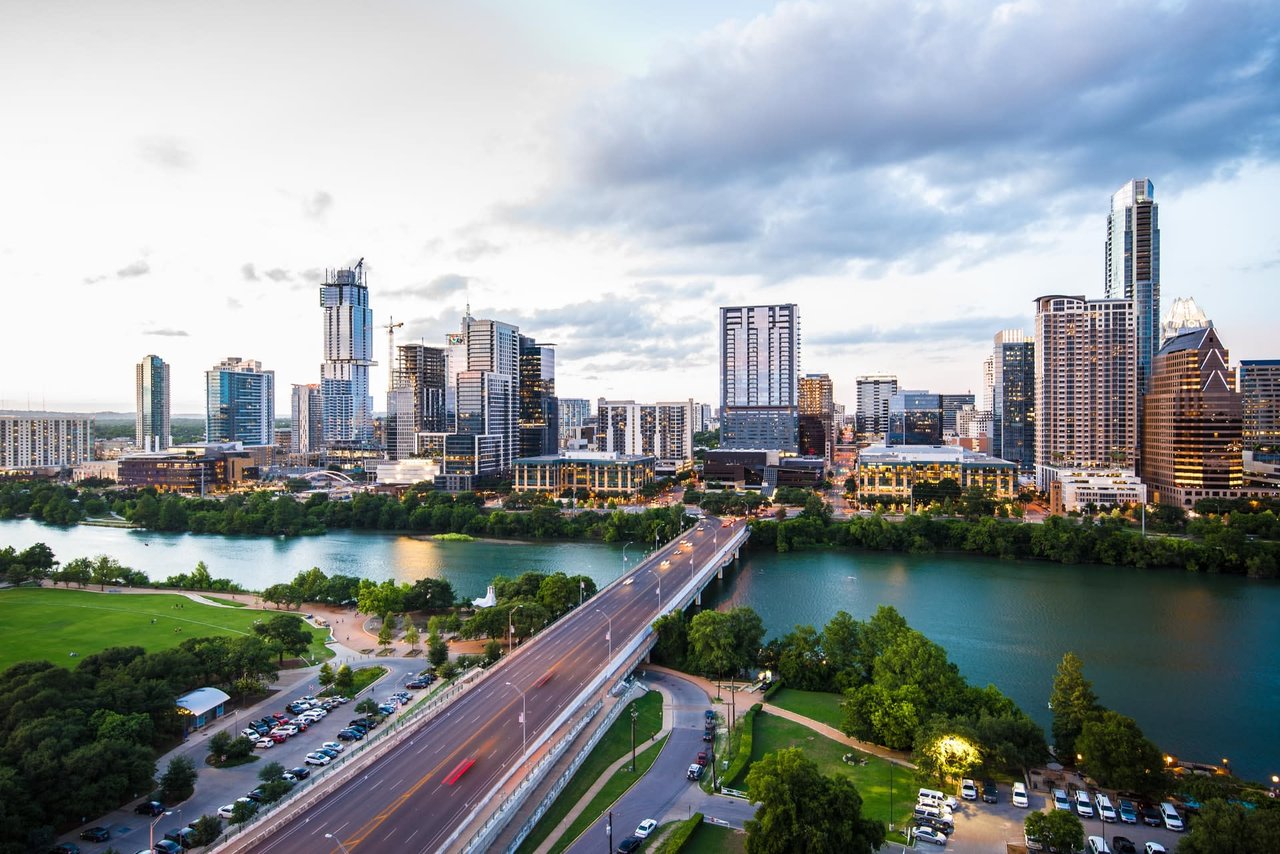
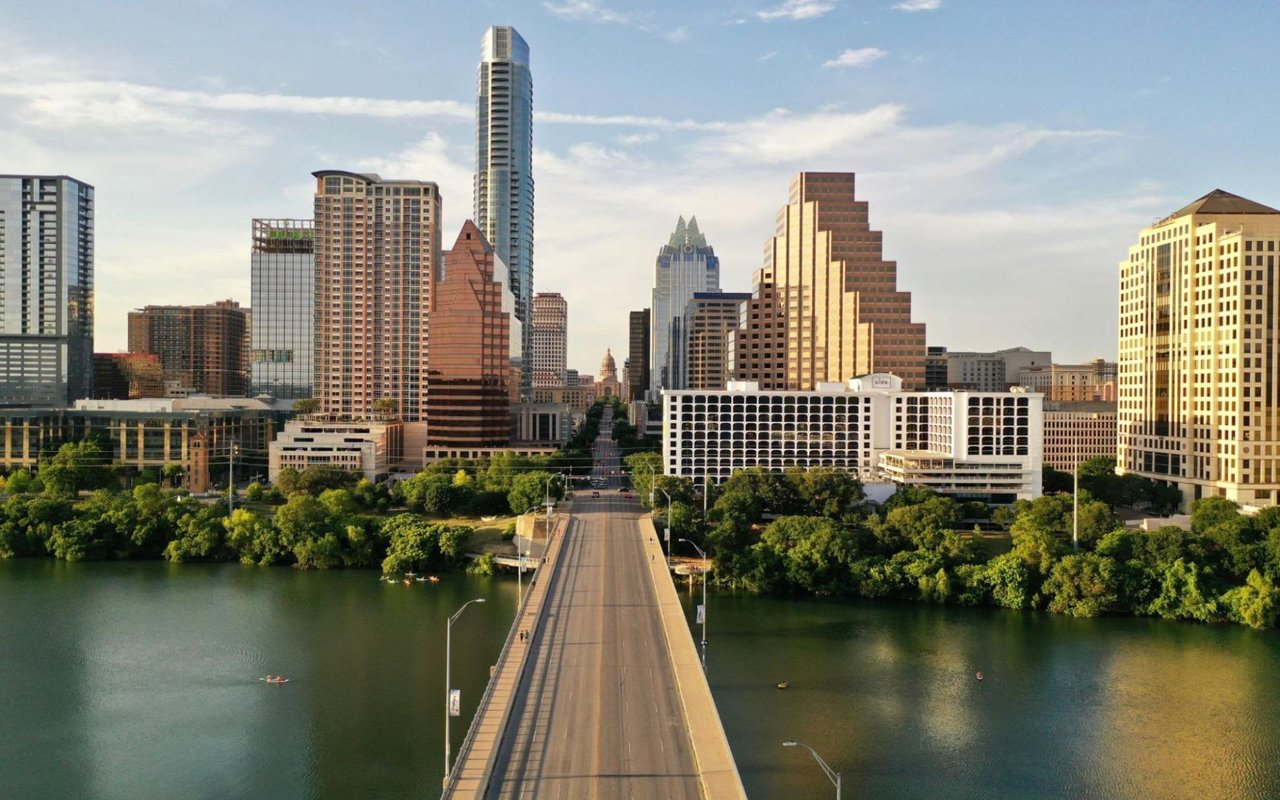
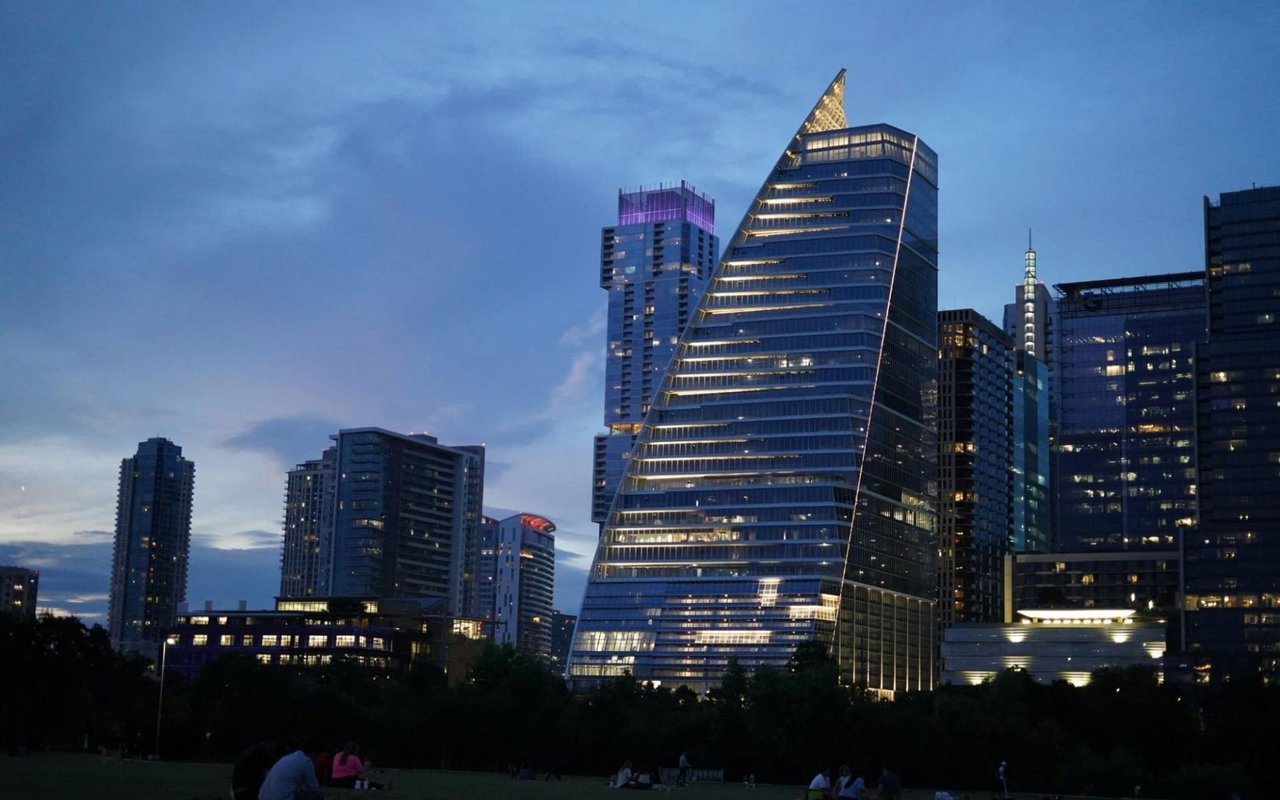
Downtown Austin works better for a low-car lifestyle than most parts of the region because it is dense and mixed-use. The Downtown Austin Alliance reports that the area includes about 15,300 residents, 130,000 employees, and 680 storefront businesses, which creates a built-in rhythm of homes, workspaces, restaurants, services, and public spaces close together.
That mix matters in everyday life. When errands, dining, recreation, and transit are all within a few blocks, you spend less time planning around a car and more time moving through your day with flexibility.
The city’s priorities also support that pattern. Austin’s Great Streets program puts pedestrians first, followed by transit, then bicycles, and then automobiles, which helps explain why certain downtown streets feel more walkable and active than many other parts of the city.
What Getting Around Looks Like
Walking in the Downtown Core
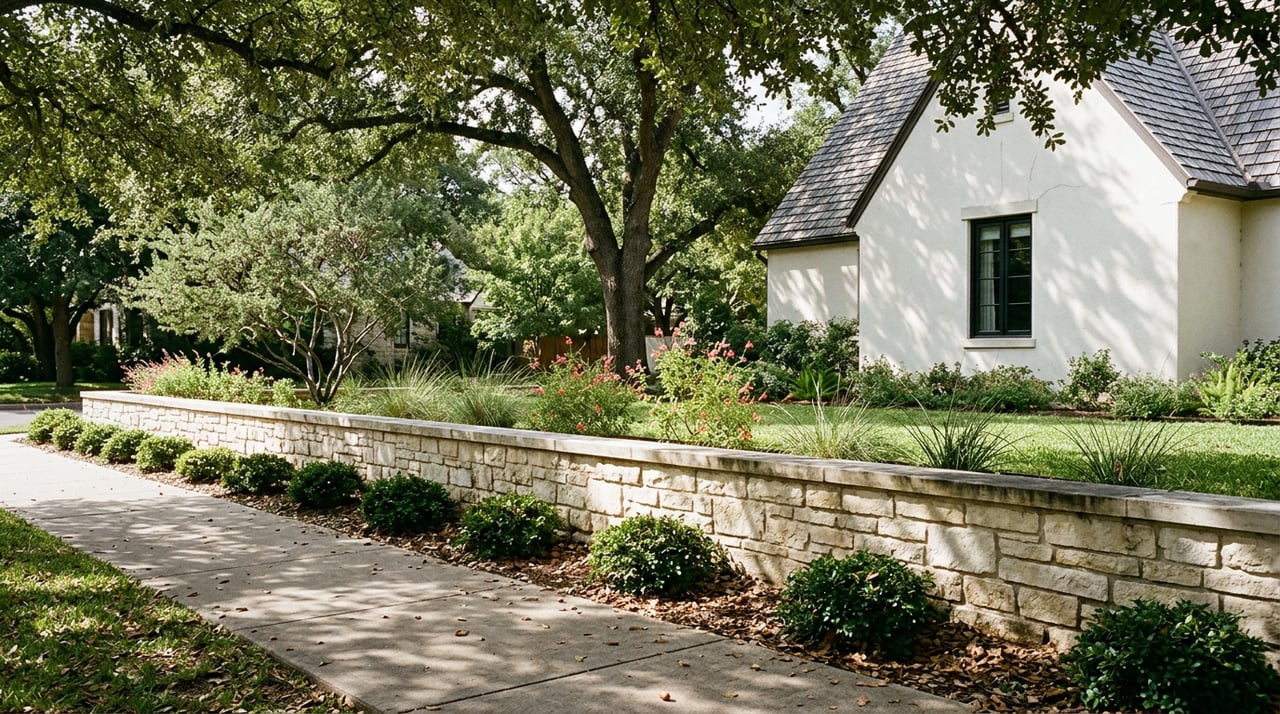
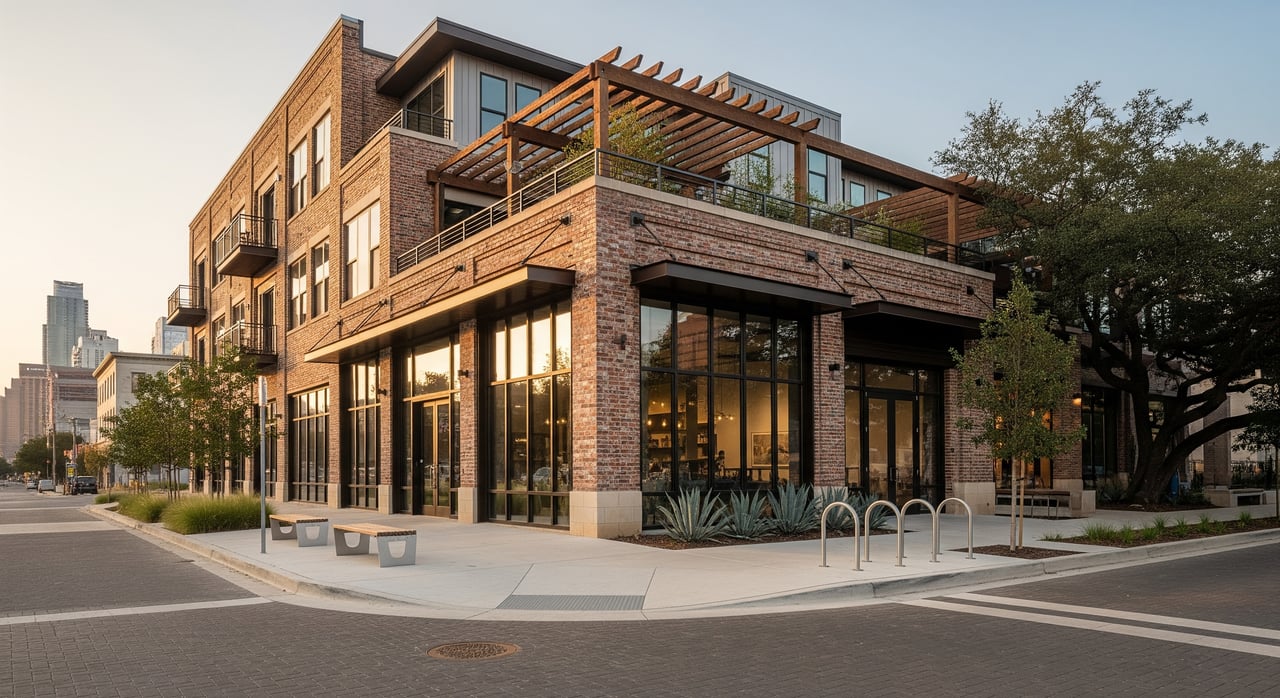
For many residents, walking becomes the default. Great Streets improvements include features like shade trees, benches, bike racks, and pedestrian-oriented streetscape design, all intended to make downtown more livable and comfortable on foot.
Areas like Cesar Chavez Promenade and Second Street show what that approach looks like in practice. If you choose a condo with direct access to an active sidewalk network, short daily trips can feel simple and natural instead of logistical.
Using CapMetro for Daily Trips
Transit can cover a surprising amount of ground if you live near the right routes. CapMetro local bus and Rapid rides are $1.25 per ride, and Tap to Pay caps standard local fares at $2.50 per day, which makes short downtown trips more predictable in cost.
Several routes are especially useful for car-light living. Rapid Route 801 connects downtown with UT and South Congress, Route 20 runs every 15 minutes from Austin-Bergstrom into downtown, and Route 483 offers a late-night downtown-to-airport option after midnight.
The Red Line also adds another layer of connectivity. Downtown Station at 4th and Neches links rail access with nearby bus service, scooters, and bike facilities, which can make a well-located condo feel even more connected.
Biking and Micromobility Options
If you like to mix walking with riding, Austin gives you several options. The city’s Bicycle Program supports a connected bikeway network and offers an interactive bike map with comfort-level routing, which is helpful if you want to choose routes that match your riding style.
The Ann and Roy Butler Hike-and-Bike Trail is another major asset. Its 10-mile loop around Lady Bird Lake serves both recreation and transportation, and many downtown residents use it as part of their regular routine.
Shared e-scooters and dockless bikes are also part of the mobility picture. One important note, though, is that CapMetro Bikeshare is currently suspended until further notice, so station-based bikes should not be part of your everyday plan right now.
How Daily Life Usually Works
Grocery Runs and Basic Errands
A car-free lifestyle works best when your essentials are close by. Downtown residents often rely on a combination of nearby retail, service businesses, and routine walking trips rather than a single large weekly drive.
For fresh produce and local goods, the SFC Farmers’ Market Downtown at Republic Square is a strong anchor. It operates on Saturdays from 9 a.m. to 1 p.m. and gives many residents an easy weekend errand built right into the neighborhood.
The 2nd Street District also adds practical convenience. Its directory includes grocery, coffee, services, beauty, fitness, apparel, and entertainment, while Trader Joe’s has a Seaholm location downtown that can be a major advantage if grocery access is high on your list.
Fitness and Outdoor Time
One of the biggest lifestyle advantages of living downtown without a car is how naturally movement can fit into your day. Instead of driving to a trail or a park, you can often step outside and go.
The Butler Trail is a major part of that routine for many residents. It supports walks, runs, and bike trips while connecting you to Lady Bird Lake and the downtown edge in a way that feels both active and accessible.
Republic Square also adds to the mix. The park hosts weekly yoga and cultural programming, and the Downtown Austin Alliance says it draws about 1.5 million annual visitors and hosts more than 200 free public events.
Dining and Entertainment Access
Downtown Austin’s dining and entertainment scene is one of the clearest reasons some residents choose to live with less reliance on a car. When dinner, coffee, live music, and casual evening plans are within walking distance, downtown life can feel more spontaneous and less scheduled.
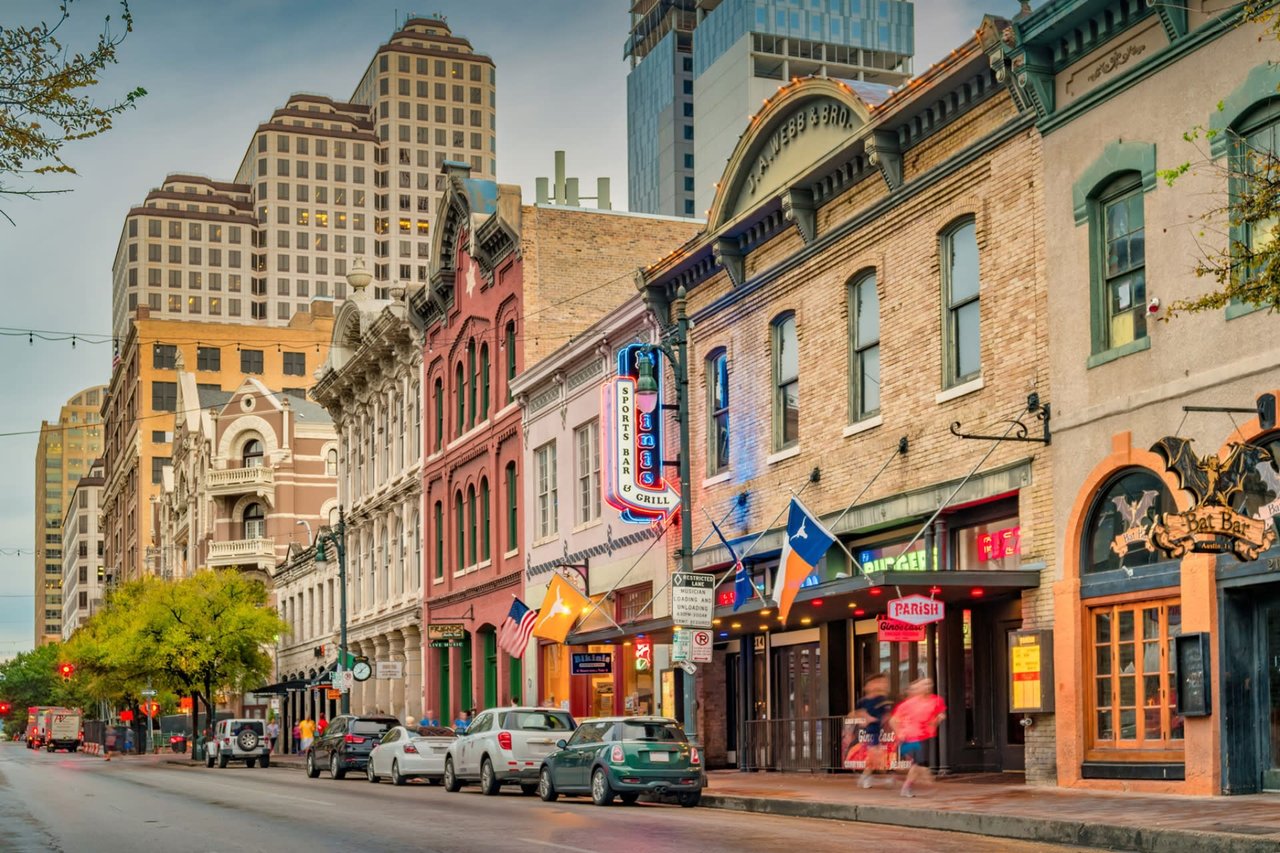
The Red River Cultural District is a standout for live music, with the Downtown Austin Alliance identifying it as Austin’s largest concentration of live music venues. East Sixth and Red River are also widely recognized entertainment areas, while the 2nd Street District centers on dining, shopping, living, and entertainment in a more mixed-use setting.
Your best fit depends on your routine. Some buyers want a lively block close to nightlife, while others prefer to be near activity without living in the middle of it.
Best Downtown Areas for Car-Free Living
2nd Street and Republic Square
For many buyers, this is the most balanced choice. The area combines mixed-use housing, retail, walkable streets, and easy access to everyday needs, which makes it one of the strongest fits for a low-car routine.
If you want your downtown lifestyle to feel practical during the week and enjoyable on weekends, this part of downtown often checks the most boxes. It blends convenience with an established pedestrian-friendly environment.
Seaholm
Seaholm tends to appeal to residents who want a grocery anchor nearby. With Trader Joe’s downtown location in the area, it can make regular errands simpler and reduce the friction that sometimes comes with car-free planning.
For buyers who value a clean, streamlined daily rhythm, that kind of access can matter just as much as the condo itself. In many cases, location convenience outweighs building extras.
Red River and East Sixth
These areas can work well if nightlife and live music are part of your lifestyle priorities. You may be able to walk to some of the city’s most active entertainment corridors, which is a real advantage if evening plans are a regular part of your week.
The trade-off is energy and activity. Blocks near entertainment hubs can feel crowded at peak times, so it helps to think honestly about whether you want to be in the center of that pace or just close to it.
Rainey Street and Eastern Downtown
Rainey Street is also part of the downtown mobility and planning conversation. The Palm District planning work ties Rainey Street destinations to other eastern downtown assets, which keeps this area relevant for buyers thinking about walkability and connected urban living.
For some residents, this part of downtown offers a strong mix of access and atmosphere. As with any downtown pocket, the details of the exact building and block matter more than the label alone.
Condo Features That Matter Most
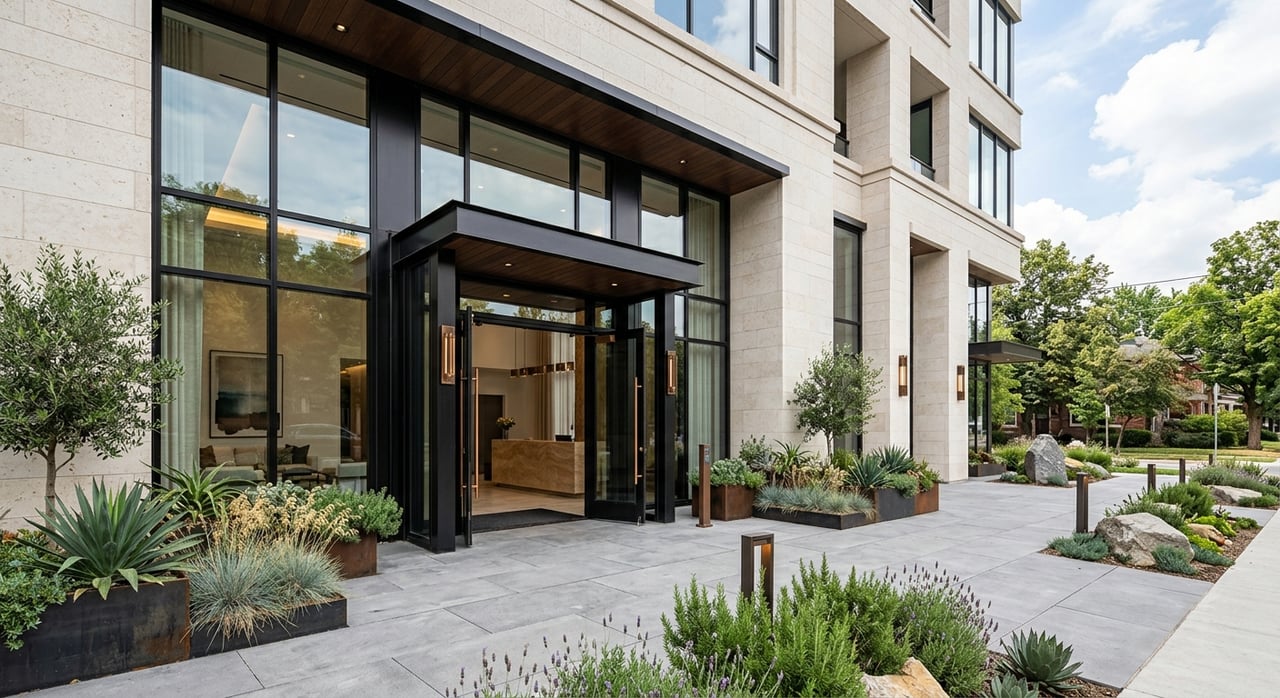
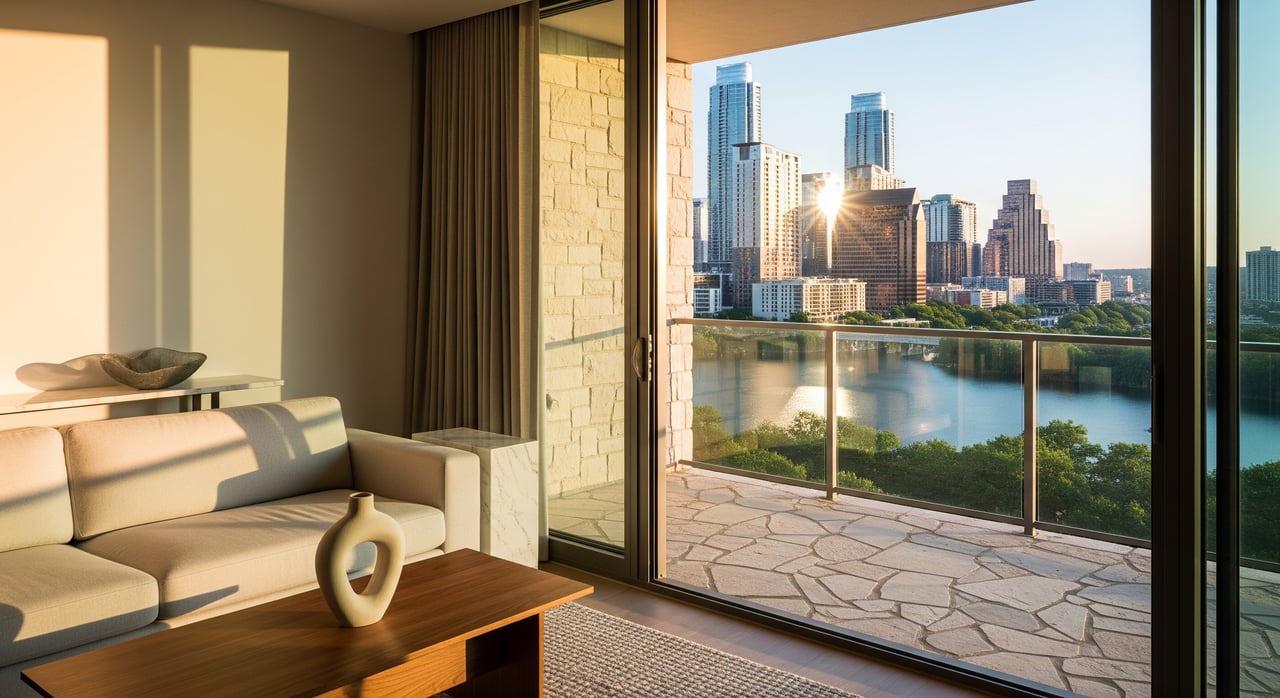
If you want to live car-free, the best condo is not always the one with the most parking. In practice, the features that support this lifestyle are the ones that make short, repeated trips easier.
Prioritize features like:
- Secure bicycle storage
- Quick access to a bus stop or Downtown Station
- Direct connection to an active sidewalk network
- A location near groceries, coffee, or routine services
- Easy pedestrian access to parks, trails, or daily destinations
Downtown policy already favors pedestrians and transit, so your building’s location often matters more than its parking count. A beautifully designed condo on the wrong block may not support the lifestyle as well as a more practical one in the right pocket.
Trade-Offs to Consider
Car-free downtown living is possible, but it is not effortless in every location or for every routine. The biggest challenge is variability, especially if you expect every transportation option to be equally dependable every day.
For example, bikeshare is not currently a reliable part of the system, and downtown mobility projects continue to evolve. Entertainment-heavy corridors can also feel crowded during peak times, which may affect how comfortable and convenient a block feels.
That is why this lifestyle works best when you are comfortable treating walking and transit as your primary plan, not your backup plan. If that mindset fits how you want to live, downtown Austin can offer a very compelling alternative to car-dependent routines.
Is Car-Free Downtown Living Right for You?
A car-free lifestyle in Downtown Austin usually works best for buyers who want convenience, value walkability, and enjoy being close to the city’s daily rhythm. It can be an especially strong fit for professionals, downsizers, and anyone seeking a condo lifestyle centered on access rather than driving.
The key is choosing carefully. Not every downtown condo supports the same experience, and small differences in block location, transit access, grocery proximity, and street activity can shape your day-to-day life more than you might expect.
If you’re weighing downtown options and want a thoughtful read on which buildings and pockets best support the lifestyle you want, Nina Seely offers tailored guidance rooted in deep local knowledge and a highly personal approach.
FAQs
Is Downtown Austin walkable for daily errands?
- Yes. Downtown Austin’s dense, mixed-use layout makes it possible to handle many daily errands on foot, especially in areas near 2nd Street, Republic Square, and Seaholm.
Can you use public transit instead of a car in Downtown Austin?
- Yes. CapMetro buses, Rapid service, the Red Line Downtown Station, and airport routes give downtown residents practical transit options for many routine trips.
Which Downtown Austin areas are best for car-free living?
- The strongest fits are often 2nd Street and Republic Square for balance, Seaholm for grocery access, and Red River or East Sixth for buyers who prioritize nightlife and live music.
What condo features help with car-free living in Downtown Austin?
- The most useful features include secure bike storage, easy sidewalk access, and close proximity to transit stops, Downtown Station, groceries, and other everyday destinations.
Is biking a reliable option in Downtown Austin right now?
- Biking can be a useful option thanks to the city’s bikeway network and the Butler Trail, but CapMetro Bikeshare is currently suspended, so shared station bikes are not a dependable everyday choice at the moment.