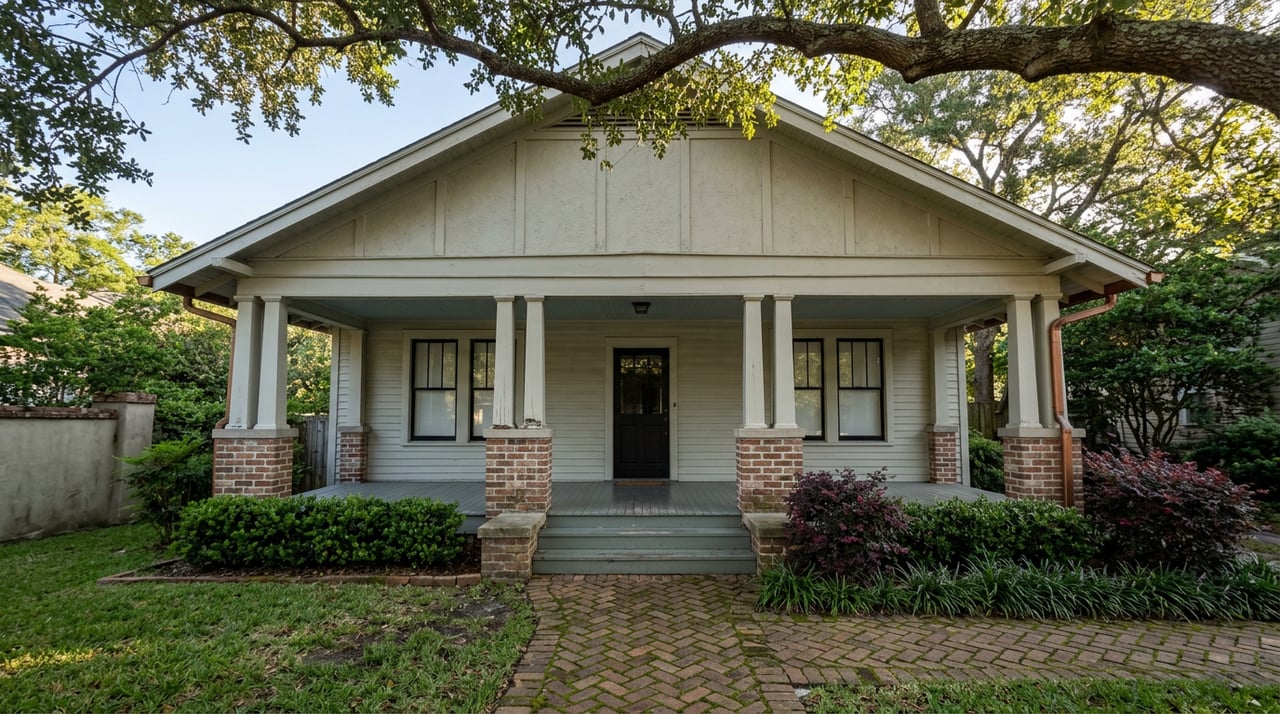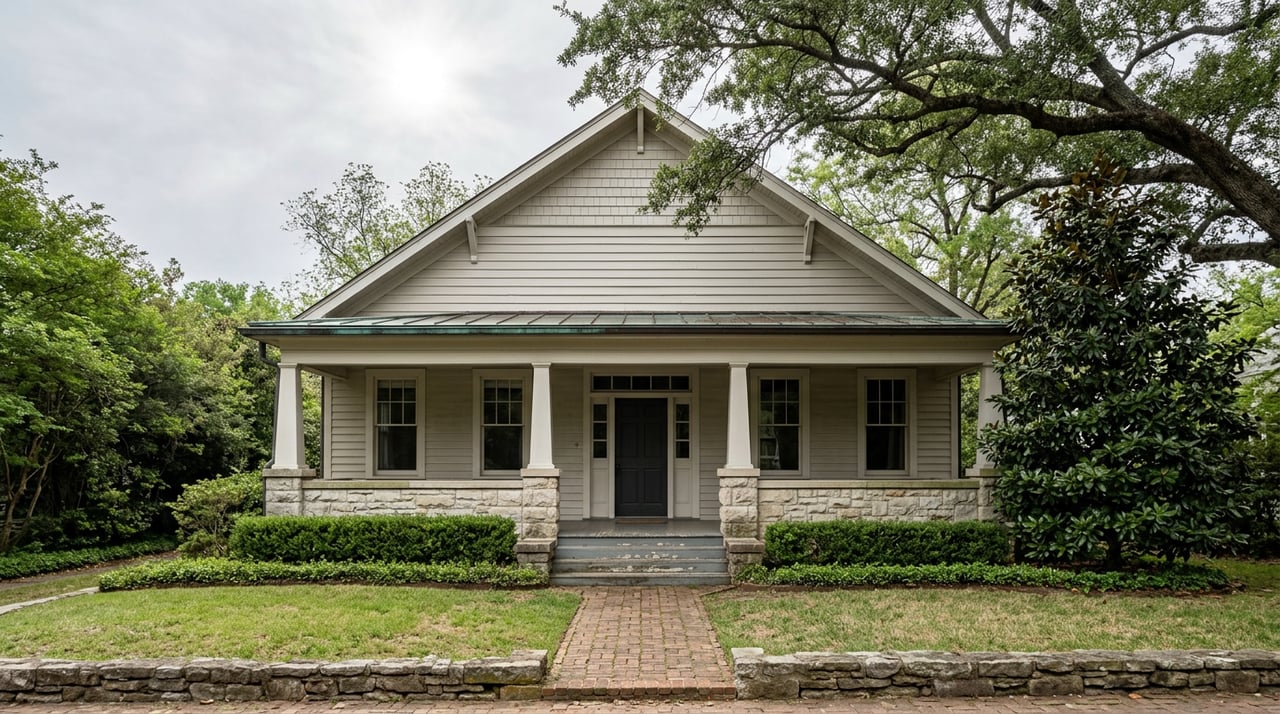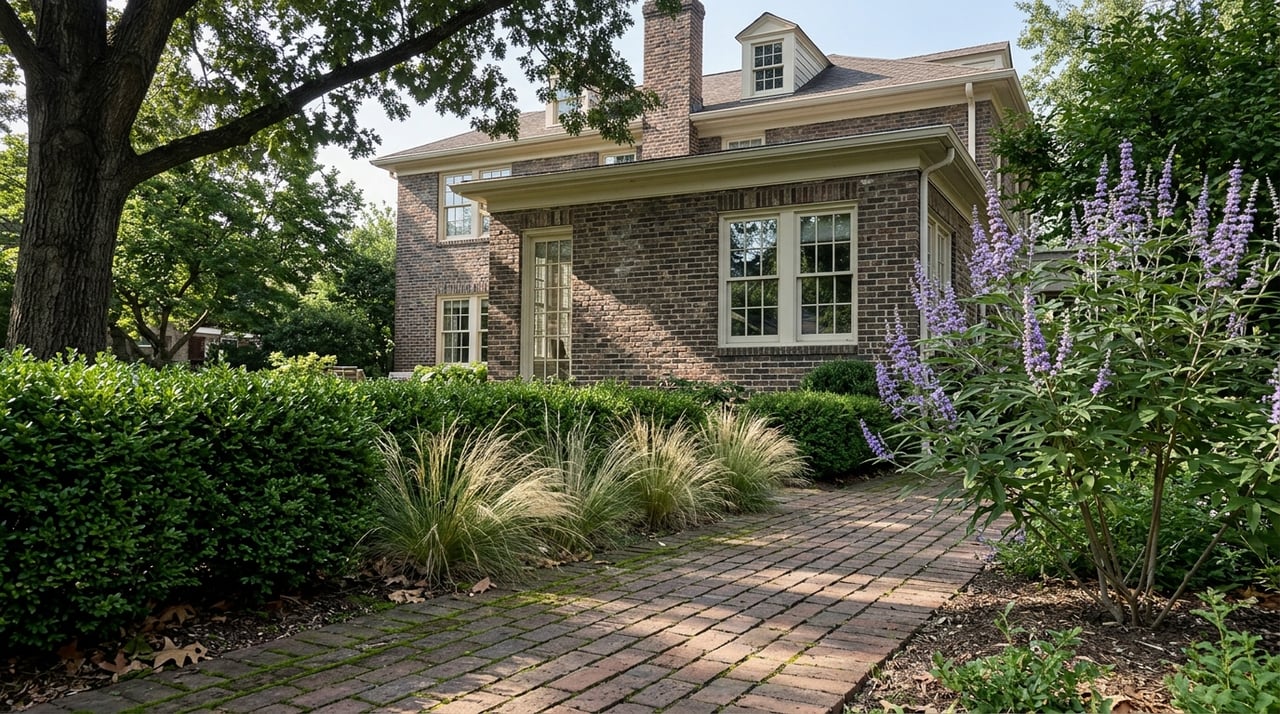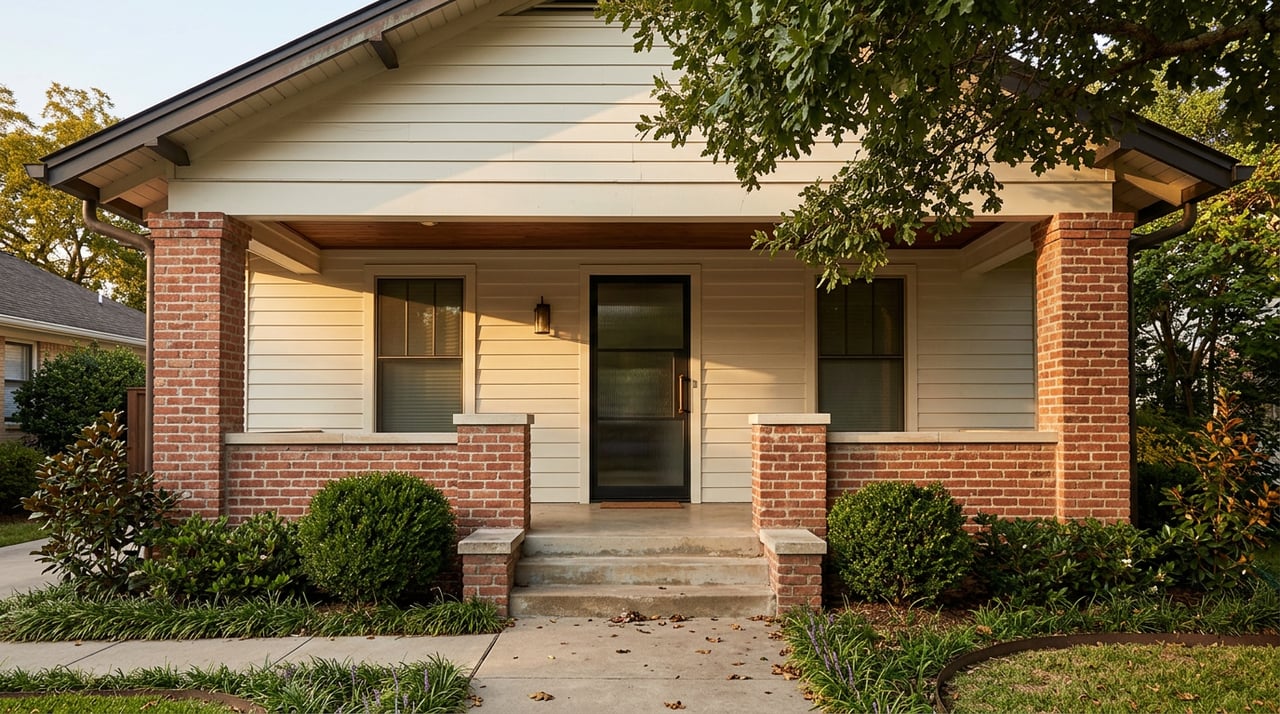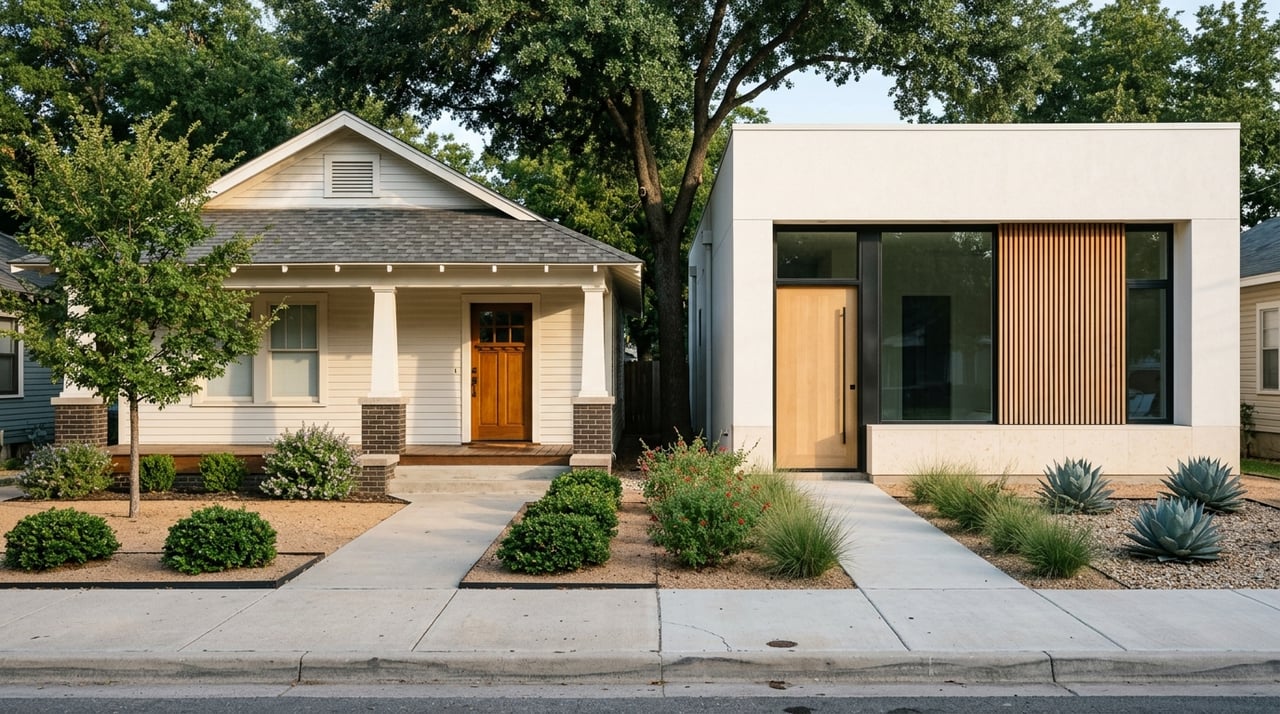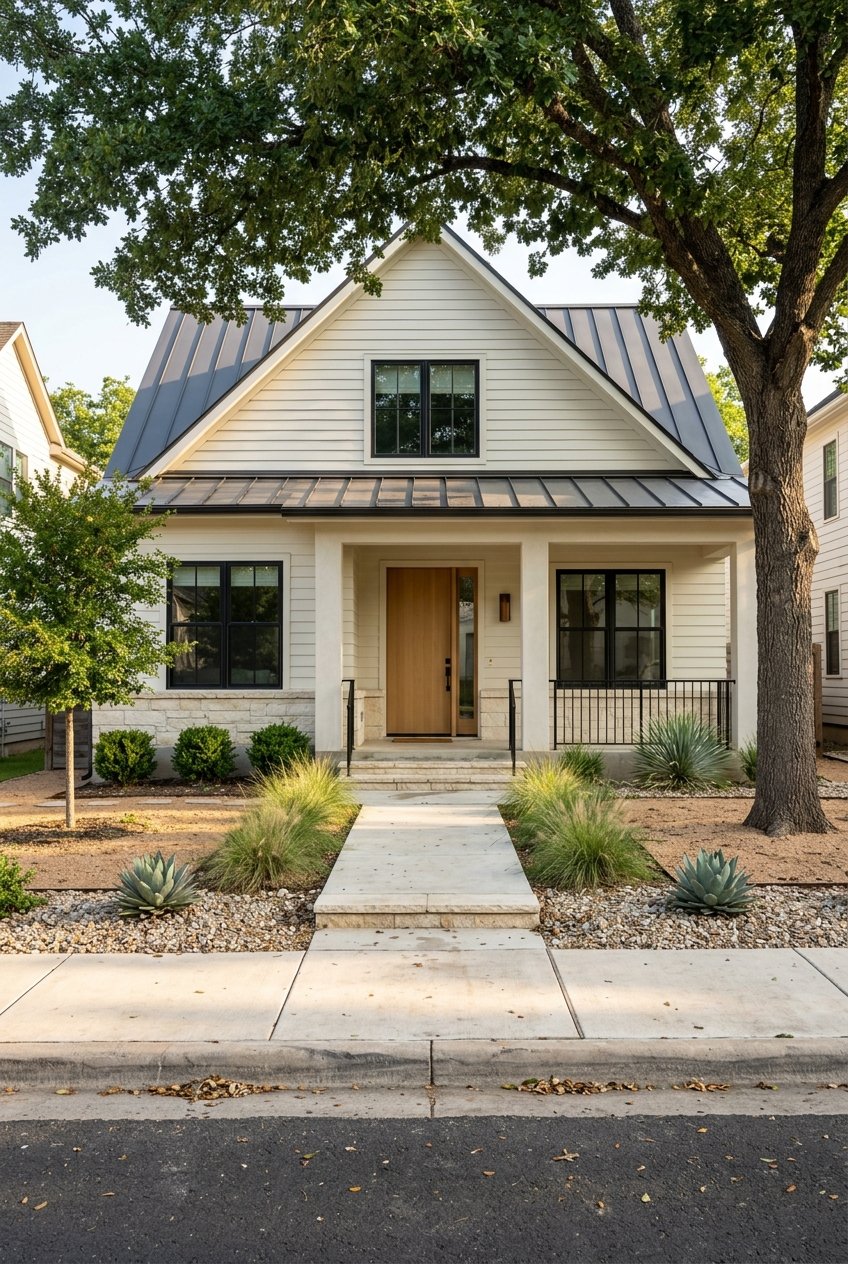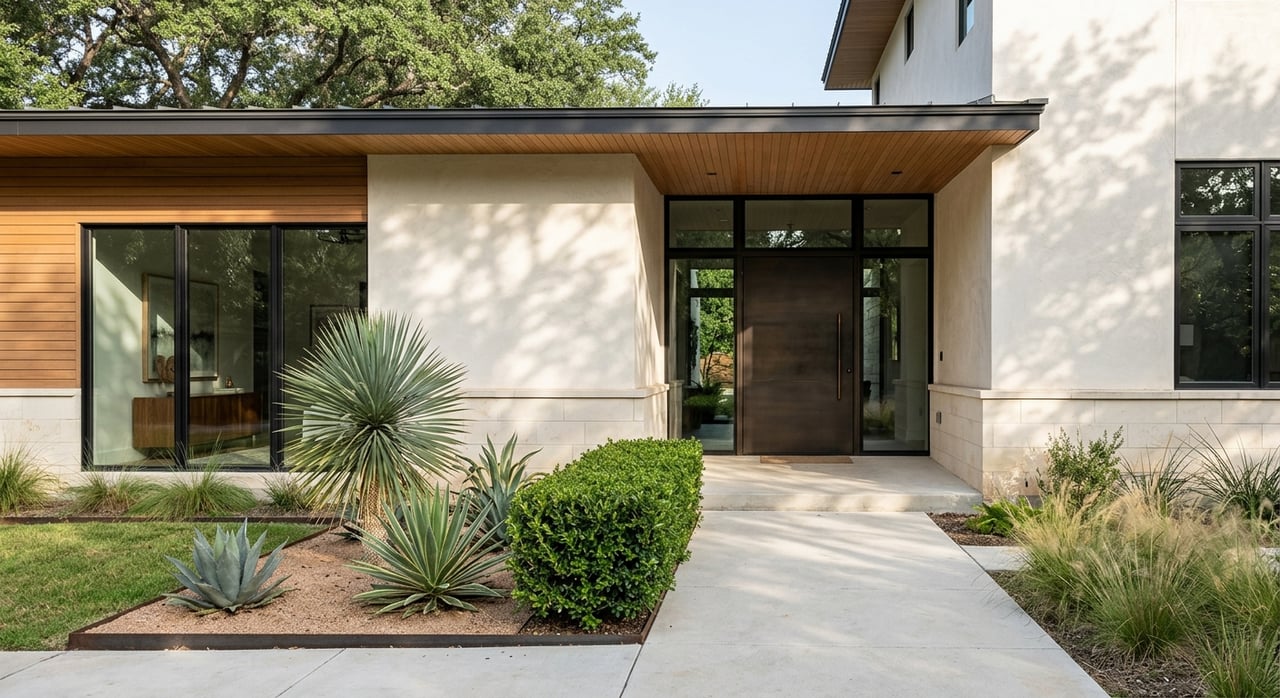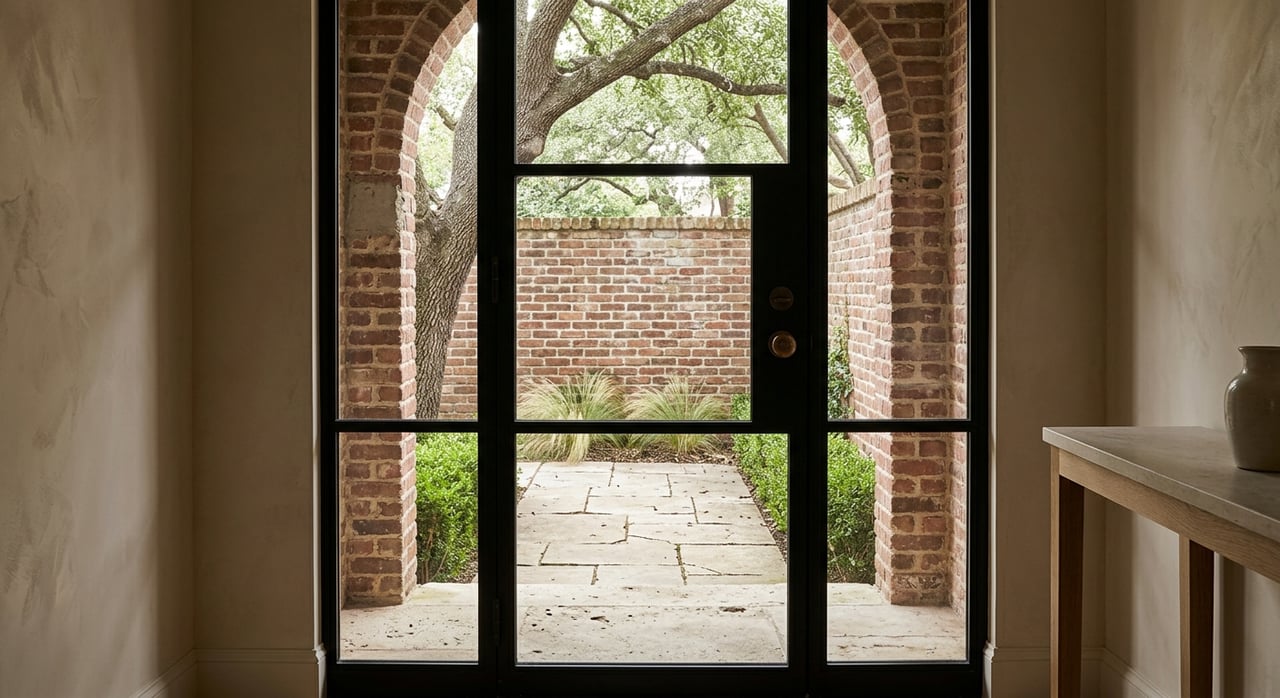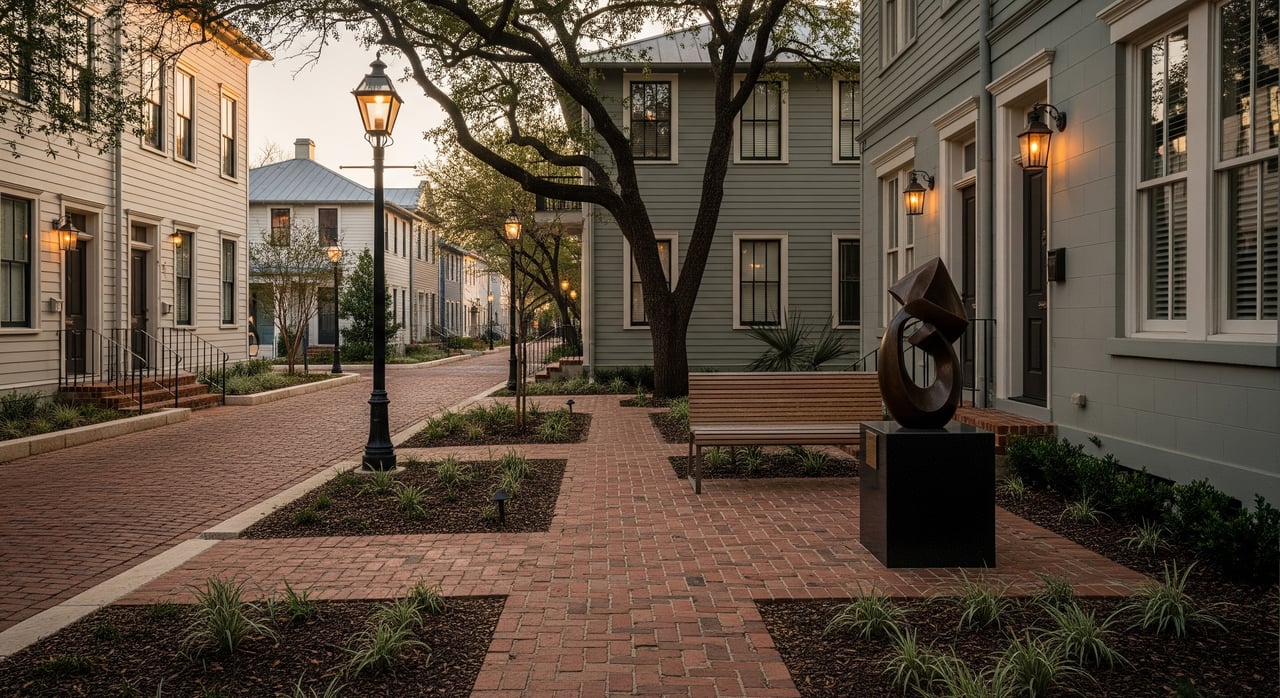
Buying an older home in Clarksville can feel romantic right up until you realize that charm often comes with paperwork, inspections, and a renovation timeline you did not see coming. If you are drawn to the history, architecture, and central Austin location, you are not alone, and you are not wrong to be cautious. The good news is that you can buy a historic home here without losing your sanity if you know what to verify before you close and what to budget for after. Let’s dive in.
Why Clarksville Is Different
Clarksville is not just another older Austin neighborhood. The Texas Historical Commission lists the Clarksville Historic District in Travis County as a National Register district, with significance tied to Black ethnic heritage, settlement, architecture, and social history. City materials also identify Clarksville as one of the first freedom colonies established west of the Mississippi after the Civil War.
That history matters because it shapes how some properties are reviewed and what buyers should investigate before planning changes. It also means homes here may carry layers of additions, repairs, and alterations that do not always show up neatly in a listing description. In a neighborhood like Clarksville, the story of the house is part of the due diligence.
Confirm the Property’s Actual Status
One of the biggest mistakes buyers make is assuming every older home in Clarksville has the same rules. Historic status is parcel-specific, which means the exact property designation matters more than the neighborhood reputation. Before you plan a remodel, verify whether the home is in a National Register district, a local historic district, or has individual landmark status.
Austin’s preservation framework treats those categories differently. According to city guidance, local historic districts carry the strongest protection and require approval of exterior changes, while National Register districts receive advisory review and do not create a zoning overlay. That distinction can affect your timeline, your design options, and how much city review a future project may require.
If you are trying to trace a home’s history, Austin’s public preservation resources point buyers to the Austin History Center digital collections and the city’s research guide for older buildings and neighborhoods. That can be especially useful in Clarksville, where changes over time may not be obvious during a quick showing.
Know What Triggers Historic Review
If a property is a historic landmark or a contributing property in a historic district or National Register district, Austin requires a historic review application for many types of exterior work. That can include exterior alterations, additions, permanent site work, signs, and stand-alone new construction. Ordinary repair and in-kind maintenance are generally exempt.
For properties in a National Register district, the Historic Landmark Commission reviews permits for buildings, demolition, and relocation, and the building permit is not released until the Historic Preservation Office completes the required review. In plain terms, you may have a solid contractor and financing ready to go, but the project still cannot move forward until the review process is complete.
The city’s review standards are also preservation-minded. Guidance emphasizes keeping a property’s distinguishing character, repairing deteriorated features instead of replacing them when possible, and making additions compatible in size, scale, materials, and character. That is why a preservation-aware architect or designer can be worth bringing in early.
Expect More Paperwork Than You Think
Historic-home buyers often underestimate how much documentation the city wants before reviewing a project. Austin’s permit packet for National Register district work calls for dimensioned plans, elevations, a roof plan, site plans or layouts, color photos, and sometimes material samples or manufacturer information, along with the review fee.
That level of detail affects your budget and your timeline. If you are thinking, “I will just figure out the renovation after closing,” that approach can create stress fast. In many cases, the calmer strategy is to understand the likely scope, documentation needs, and review path before you commit to an aggressive post-closing plan.
Build Your Timeline Around Reality
Historic-house projects rarely move on a same-week schedule. In Austin, minor projects with no visible impact from the adjacent public street may be handled administratively, and those reviews may take up to 5 business days. Examples can include a one-story rear addition under 600 square feet, a second-story rear addition not visible from the street, pools, decks, and fences.
Larger alterations and additions in a National Register district can take up to 75 days from the first Historic Landmark Commission meeting. The commission generally meets monthly, and applicants or their agents are advised to attend because the process can be postponed if they do not appear. If your plan involves meaningful exterior changes, patience is not optional.
Inspect the House for Age-Related Systems
Older Clarksville homes can be wonderful places to live, but they often come with systems that need specialist attention. City preservation guidance notes that historic buildings may have mechanical, electrical, or plumbing systems old enough to require replacement. That does not mean the house is a bad purchase, but it does mean your inspection period matters.
A standard home inspection is only the starting point. If visible movement appears in the structure, a foundation or structural engineer may be a smart next step. The goal is not to panic over every age-related issue, but to separate normal old-house conditions from major repair items before you close.
Pay Close Attention to Foundation and Drainage
Austin’s soil conditions matter in historic-home ownership. City guidance notes that many parts of Austin have expansive clay soil that moves with changing moisture levels, and many historic structures were built on pier-and-beam foundations. It also notes that stress cracks are common in some pier-and-beam homes and are not automatically a demolition issue.
That said, foundation repair and positive drainage are part of the maintenance plan for historic structures. When you tour a home, it helps to think beyond cosmetic finishes. Look for clues that water may not be moving away from the house properly, because drainage and movement often go hand in hand over time.
Treat the Roof as a Whole System
Roofing is another common budget item in older Austin homes. City design guidance says roofs need periodic replacement, the roof form should remain compatible with the historic structure, and leaks should be addressed before they damage historic material below.
For buyers, that means the roof should not be treated as an isolated line item. You want to understand the condition of the roof, flashings, gutters, and drainage together. A small leak that has lingered can turn into a much bigger preservation and repair issue.
Do Not Skip Lead, Asbestos, and Moisture Checks
If the house was built before 1978, lead-based paint should be part of your risk assessment. EPA states that 87% of homes built before 1940 and 24% of homes built from 1960 to 1978 contain some lead-based paint. Renovation work like sanding or cutting can create dangerous lead dust, so older homes should be evaluated carefully before paint-disturbing work begins.
Asbestos is another material that cannot be identified by sight alone. EPA recommends sampling by a trained and accredited asbestos professional if suspect material is damaged or renovation would disturb it. In older houses, potential asbestos-containing materials can include flooring, ceiling tiles, pipe wrap, shingles, and siding.
Moisture control also deserves serious attention. EPA says the key to mold control is moisture control, and wet or damp materials should be dried within 24 to 48 hours to help prevent mold growth. In practical terms, signs of leaks, condensation, or past water intrusion should never be brushed off in an older home.
Add a Termite Inspection to the Plan
Texas is one of the most at-risk states for termite infestations, according to Texas A&M AgriLife Extension. In an older wood-framed home, that makes a termite inspection especially important. This is one of those items that can save you from expensive surprises hiding behind beautiful finishes.
A termite inspection is not about assuming the worst. It is about understanding the condition of the structure you are buying and making sure your renovation budget is based on reality instead of optimism.
Budget for the House You Are Buying
A realistic budget for a Clarksville historic home should separate the purchase price from the cost of making the property livable, maintainable, and reviewable. The most defensible line items from the research are straightforward:
- Standard home inspection
- Foundation or structural engineer, if movement is visible
- Lead or asbestos testing before disturbing older materials
- Measured drawings and plans
- City review fees
- Contingency for hidden conditions
This is where buyers can protect their peace of mind. Historic homes often reward careful ownership, but they rarely reward thin budgets or rushed assumptions.
Do Not Count on Tax Credits Automatically
Some buyers assume historic designation comes with major tax incentives. In Texas, that is not always the case. The Texas Historical Commission states that the Texas Historic Preservation Tax Credit is for certified historic structures used for income-producing or nonprofit purposes, and owner-occupied residential properties are not eligible for the state credit.
Austin may offer local benefits in certain cases, but those should be verified on the specific parcel rather than assumed. If a Clarksville property has individual landmark status, Austin offers an annual partial property tax exemption for historic landmarks, with TCAD applications filed between January 1 and April 30. Austin’s local historic-district abatement is a separate program that depends on designation and contributing status.
A Sanity-Saving Buying Sequence
If you want the process to feel manageable, the order of operations matters. Based on Austin’s rules and timelines, the safest sequence is to confirm the property’s designation, order specialist inspections, have a preservation-aware architect or designer turn those findings into a reviewable scope, and then build your renovation schedule once you know whether the city process is likely to be administrative or commission-reviewed.
That approach does not remove every surprise, but it does replace guesswork with structure. In Clarksville, that is often the difference between buying a meaningful historic home with confidence and getting overwhelmed by the details.
A well-bought historic home can be deeply rewarding, especially in a neighborhood with as much history and identity as Clarksville. The key is to respect both the house and the process. If you want a calm purchase, do your homework early, verify everything parcel by parcel, and let the timeline be shaped by facts instead of hope.
If you are considering a Clarksville purchase and want thoughtful guidance through the details, Nina Seely offers a high-touch, design-aware approach grounded in local knowledge.
FAQs
What should you verify before buying a historic home in Clarksville?
- You should verify the property’s exact historic designation, because parcel-specific status determines what review rules, protections, and possible tax benefits may apply.
What kinds of projects trigger historic review for Clarksville properties in Austin?
- If the property is a historic landmark or a contributing property in a historic district or National Register district, exterior alterations, additions, permanent site work, signs, and stand-alone new construction may require historic review.
How long can Austin historic review take for a Clarksville home project?
- Minor projects may take up to 5 business days administratively, while larger alterations and additions in a National Register district can take up to 75 days from the first Historic Landmark Commission meeting.
What inspections matter most when buying an older Clarksville house?
- A standard home inspection is the baseline, and you may also need a foundation or structural engineer, lead or asbestos testing before renovation, moisture evaluation, and a termite inspection.
Are owner-occupied historic homes in Clarksville eligible for the Texas historic tax credit?
- No. The Texas Historical Commission states that owner-occupied residential properties are not eligible for the state historic preservation tax credit.
Why is drainage such a big deal for historic homes in Clarksville?
- Austin has expansive clay soils, and many older homes use pier-and-beam foundations, so drainage and moisture management play a major role in long-term structural maintenance.