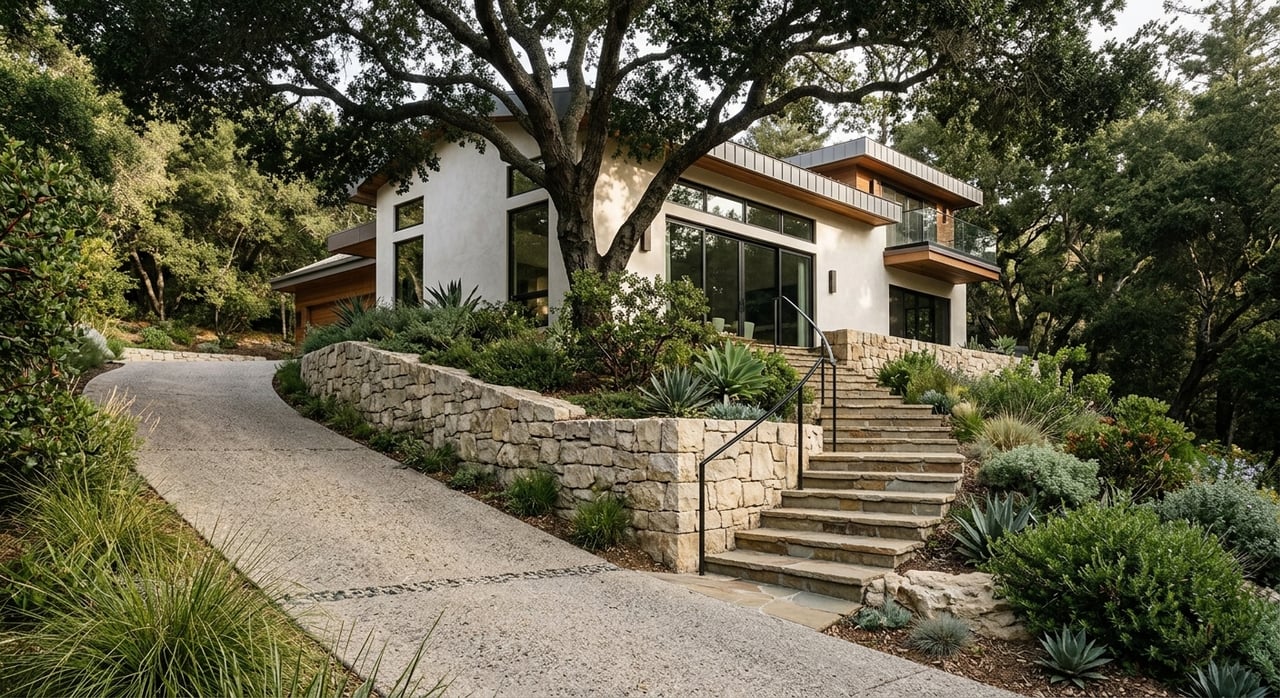
A beautiful Westlake view can stop you in your tracks, but it should never be the only reason you buy a property. In this part of Travis County, slope, drainage, trees, wastewater systems, and local rules can shape how you actually live on a lot long after the first showing. If you are considering a home or homesite in Westlake, this guide will help you look past the skyline and evaluate what truly matters. Let’s dive in.
Start With Jurisdiction
One of the first questions to ask is simple: who governs the property? In the Westlake area, a parcel may be inside the City of West Lake Hills, in the city’s extraterritorial jurisdiction, or in unincorporated Travis County.
That matters because development rules can change depending on location. West Lake Hills states that setbacks and impervious cover depend on zoning and lot size, while Travis County notes that outside city limits its role is limited to floodplain jurisdiction. Before you make assumptions about adding a pool, expanding the house, or reworking the site, confirm which rules apply.
Check What the Lot Can Actually Support
A large lot does not always mean a flexible lot. In Westlake, the usable portion of a property can shrink quickly once setbacks, drainage areas, and impervious-cover limits are layered together.
West Lake Hills says single-family properties that are 0.5 acre or larger have a maximum impervious cover of 25%. The city also requires drainage plans during permit review, with the level of detail tied to the development category. That means your lot size on paper may not match the area you can realistically build on or hardscape.
Read the Easement Map Carefully
On hillside lots, the most important document may not be the survey photo or marketing flyer. It may be the plat, deed, or easement map.
Austin Watershed Protection says permanent structures are not allowed in drainage easements, and West Lake Hills’ drainage manual notes that these easements are often at least 25 feet wide to preserve unobstructed water flow. If a drainage easement cuts across a backyard or side yard, it can affect future plans for a pool, guest space, addition, or outdoor living area.
Ask About Grading and Site Clearance
Westlake’s topography is part of its appeal, but it also creates real planning constraints. West Lake Hills’ subdivision checklist says each lot is subject to site-clearance procedures, and no excavation, grading, or landfill may begin without a permit.
If you are buying with the idea of reshaping the site, building terraces, or changing drainage patterns, ask early what approvals may be needed. A property that feels full of potential may involve a longer path to execution than you expect.
Evaluate Water Flow and Flood Risk
In Westlake, water movement is not a minor detail. Limestone terrain, faulting, and karst conditions make drainage highly parcel-specific, which is why two nearby properties can perform very differently.
Flood risk should also be reviewed with current tools, not just an older plat or seller memory. Austin states that every creek and lake has a floodplain even if it is unmapped, and local communities have been updating floodplain maps after Atlas 14 due to heavier rainfall. Travis County also notes that many earlier FEMA maps relied on outdated technical data.
Why Drainage Matters for Daily Use
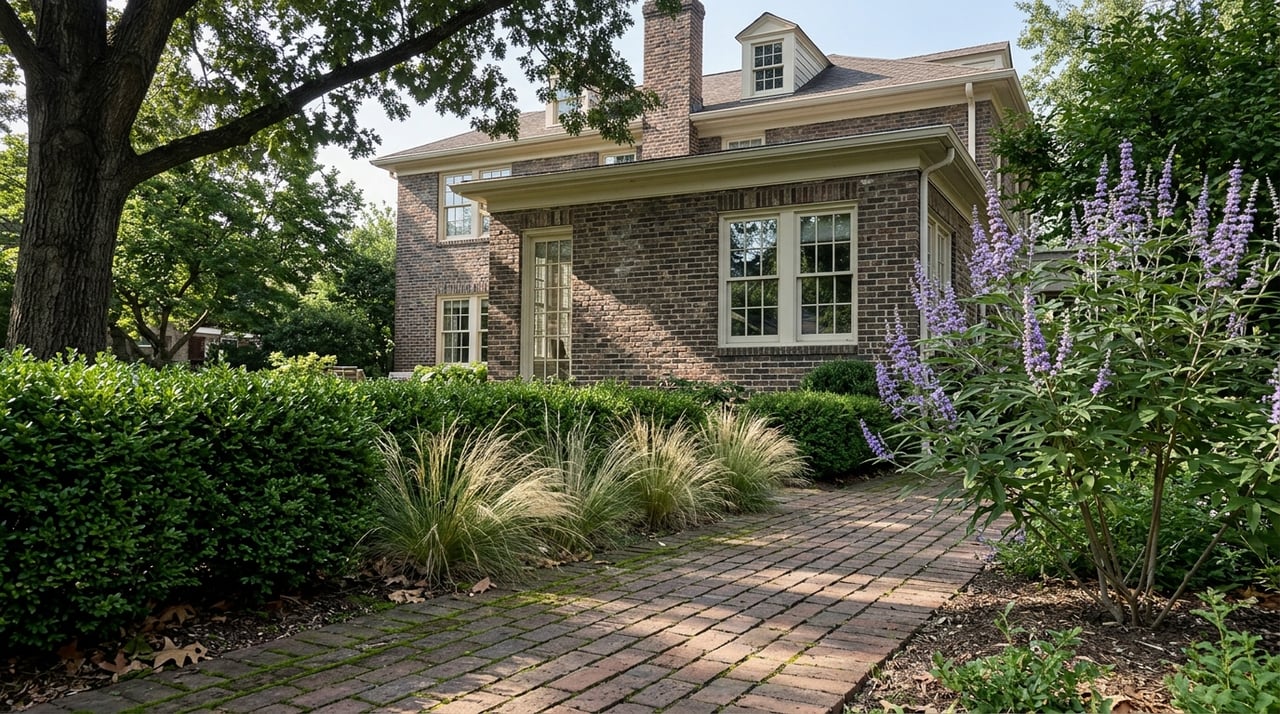
Drainage affects more than major storm events. It can influence driveway design, foundation performance, erosion, landscape stability, and how usable your outdoor spaces feel after rain.
West Lake Hills requires drainage plans as part of permit review, and those reviews go through the City Engineer. For buyers, that is a good reminder that drainage should be treated as a core property issue, especially on sloped sites with ambitious future plans.
Understand Sewer, Septic, and Grinder Pumps
Utility service is another area where the view can distract from the practical questions. Not every hillside property functions the same way behind the scenes.
If a property is not on central wastewater, West Lake Hills’ subdivision checklist says septic systems require permits and approval before use. If the home is on city wastewater, West Lake Hills notes that many hillside homes use grinder pumps because the terrain often does not support a traditional gravity system.
What a Grinder Pump Means for You
A grinder pump is not necessarily a problem, but it is something to understand before closing. According to West Lake Hills, owners are responsible for power to the pump and access for service.
That makes it worth asking where the system is located, what maintenance history exists, and whether access is straightforward. It is one more example of why a Westlake property should be evaluated as a working site, not just a scenic setting.
Look at Trees as an Asset and a Constraint
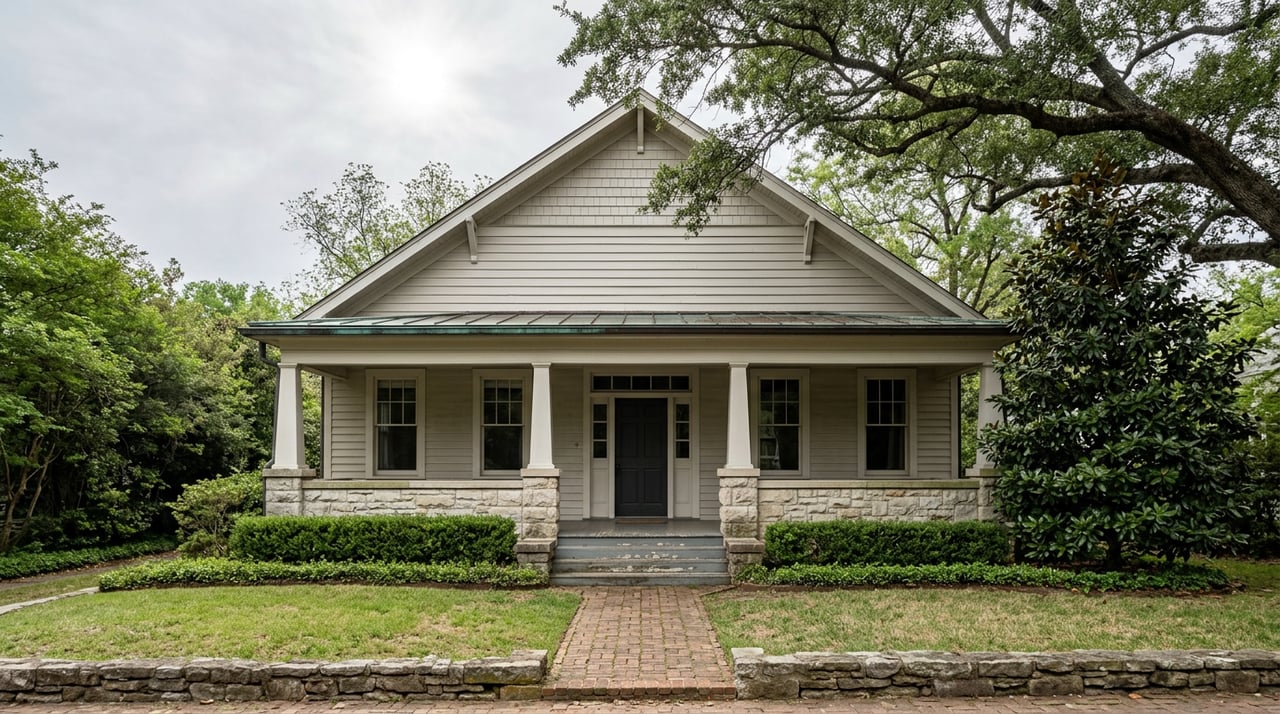
Mature trees are part of what gives Westlake its character, privacy, and natural beauty. They can also affect views, building envelopes, outdoor design, and future project costs.
West Lake Hills regulates tree and vegetation removal, and for larger work it encourages the use of qualified contractors with ISA-certified arborists. Oak pruning is also restricted from February through June except for public safety, and cuts must be painted immediately.
Think Beyond One-Time Clearing
Many buyers assume they can simply open a view corridor after closing. In practice, privacy and views are often ongoing management issues rather than one-time clearing decisions.
Ask what tree work would require a permit, whether oak wilt is present or nearby, and how vegetation could affect future additions, pool placement, or sightlines. If trees are central to your decision, bring in an arborist early so you know what is realistic.
Factor In Wildfire Preparedness
In a wooded hillside environment, wildfire readiness is part of everyday livability. It is not just a concern for remote ranch land.
West Lake Hills participates in Firewise, encourages residents to harden homes, especially within the first five feet of the structure, and offers free wildfire home assessments. The city and Travis County are also updating the 2026 Community Wildfire Protection Plan, which shows how seriously local agencies are treating the issue.
For buyers, this means looking at defensible space, roof and vent details, landscaping choices, and access around the structure. A home can be beautiful and still benefit from thoughtful risk reduction.
Test the Orientation, Not Just the View
A view is only enjoyable if the house lives well with it. In Westlake, orientation can shape comfort just as much as scenery.
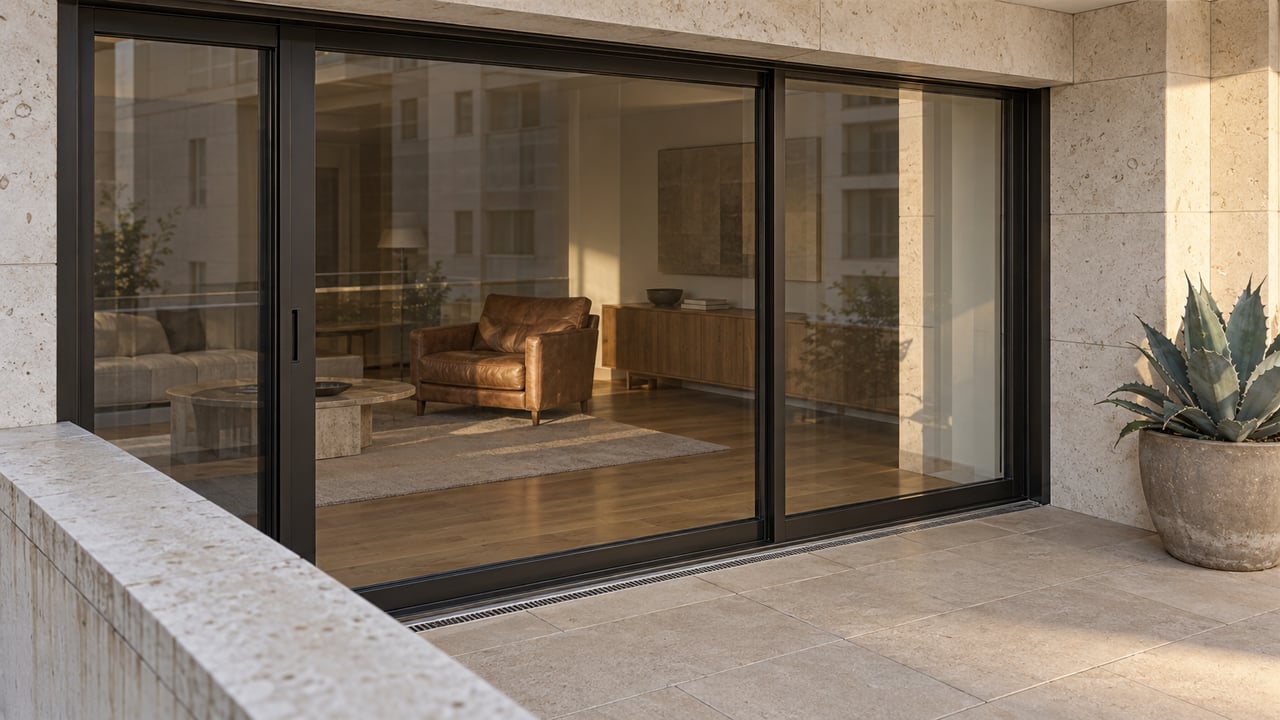
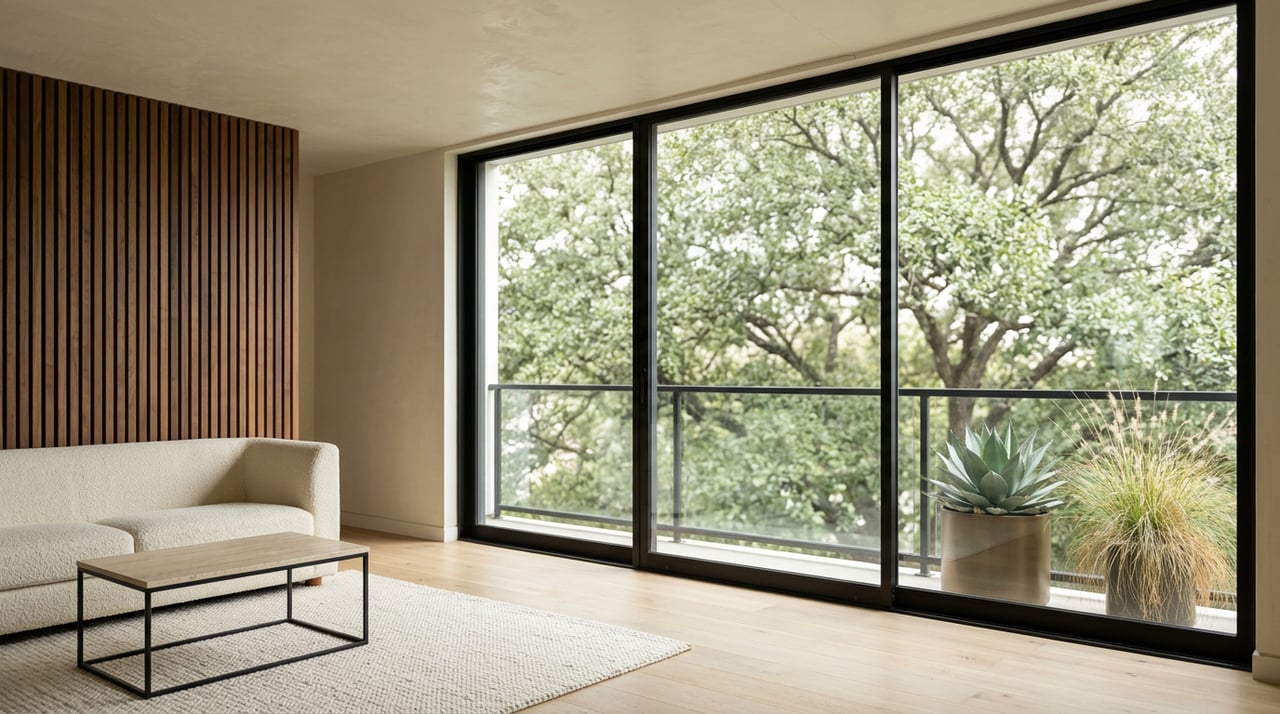
The U.S. Department of Energy says building orientation and shading influence solar heat gain, and east- and west-facing windows can create more glare and summer heat. When touring a property, pay attention to afternoon sun, patio comfort, interior brightness, and whether large windows help or hurt daily use.
Tour at the Right Time of Day
If possible, visit a property more than once. A morning showing may not reveal what a west-facing living room feels like at 5 p.m. in August.
That second visit can tell you a great deal about glare, heat, shade, and outdoor usability. In a market where architecture and views command a premium, those quality-of-life details matter.
Build the Right Advisory Team
The best Westlake purchases are usually supported by the right specialists. A hillside property often deserves a deeper review than a standard suburban lot.
The most useful professionals may include:
- A TREC-licensed property inspector
- A civil or drainage engineer
- An architect or land planner
- An ISA-certified arborist when tree issues are significant
- A wildfire assessor when exposure is a concern
TREC states that Texas property inspections are performed under formal standards of practice, while West Lake Hills points owners toward drainage review, qualified tree contractors, and wildfire home assessments. For a buyer, that team can help turn uncertainty into clarity before you commit.
Questions To Ask Before You Buy
If you want a practical shortlist for your next showing or diligence period, start here:
- Is the property inside West Lake Hills city limits, the ETJ, or unincorporated Travis County?
- What setbacks and impervious-cover limits apply?
- Are there drainage easements, floodplain concerns, or unmapped water-flow issues?
- Will future work require a drainage plan, variance, or site-clearance review?
- Is the home served by sewer, septic, or a grinder pump?
- What tree work would require permits?
- Are grading, excavation, or fill likely to trigger added review?
- How does the house orientation affect heat, glare, and patio use?
- What wildfire-hardening or defensible-space improvements should be considered?
These questions can help you understand whether a property is simply attractive or truly workable for your goals.
A remarkable Westlake property should offer more than a dramatic backdrop. It should support the way you want to live, protect your future options, and make sense from a site-planning standpoint as well as a design one. If you are weighing a purchase in Westlake and want discreet, detail-minded guidance, Nina Seely can help you evaluate the property beyond the first impression.
FAQs
What should you check first when buying a Westlake property?
- Start by confirming whether the property is in the City of West Lake Hills, the ETJ, or unincorporated Travis County, because rules for setbacks, drainage, and buildability can vary.
Why do drainage easements matter on a Westlake lot?
- Drainage easements can limit where permanent structures may be placed, which may reduce space for additions, pools, or outdoor living areas.
How does impervious cover affect Westlake build potential?
- In West Lake Hills, single-family properties 0.5 acre or larger have a maximum impervious cover of 25%, which can affect how much of the lot you can build on or hardscape.
What wastewater questions should Westlake buyers ask?
- Ask whether the property uses central wastewater, a grinder pump, or septic, and confirm any maintenance, permitting, power, or service-access responsibilities.
Why should Westlake buyers pay attention to trees?
- Tree and vegetation removal is regulated in West Lake Hills, and trees can affect privacy, views, pool placement, additions, and long-term site planning.
How can home orientation affect a Westlake view property?
- Orientation can affect glare, summer heat, interior light quality, and patio comfort, especially with east- or west-facing windows.