Is East Austin still a smart investment story, or has the easy upside already passed? If you are looking at Central East Austin in 2026, that is the right question to ask. The market has cooled, rents are softer, and buyers have more leverage than they did a few years ago, but the area still holds long-term appeal because of location, redevelopment, and transit-adjacent growth. Let’s dive in.
Central East Austin Is Not One Story
One of the biggest mistakes investors make is treating East Austin like a single, uniform market. It is better understood as a cluster of submarkets, including Central East Austin, East Cesar Chavez, Holly, Govalle, and Chestnut, each with different pricing, housing stock, and renter appeal.
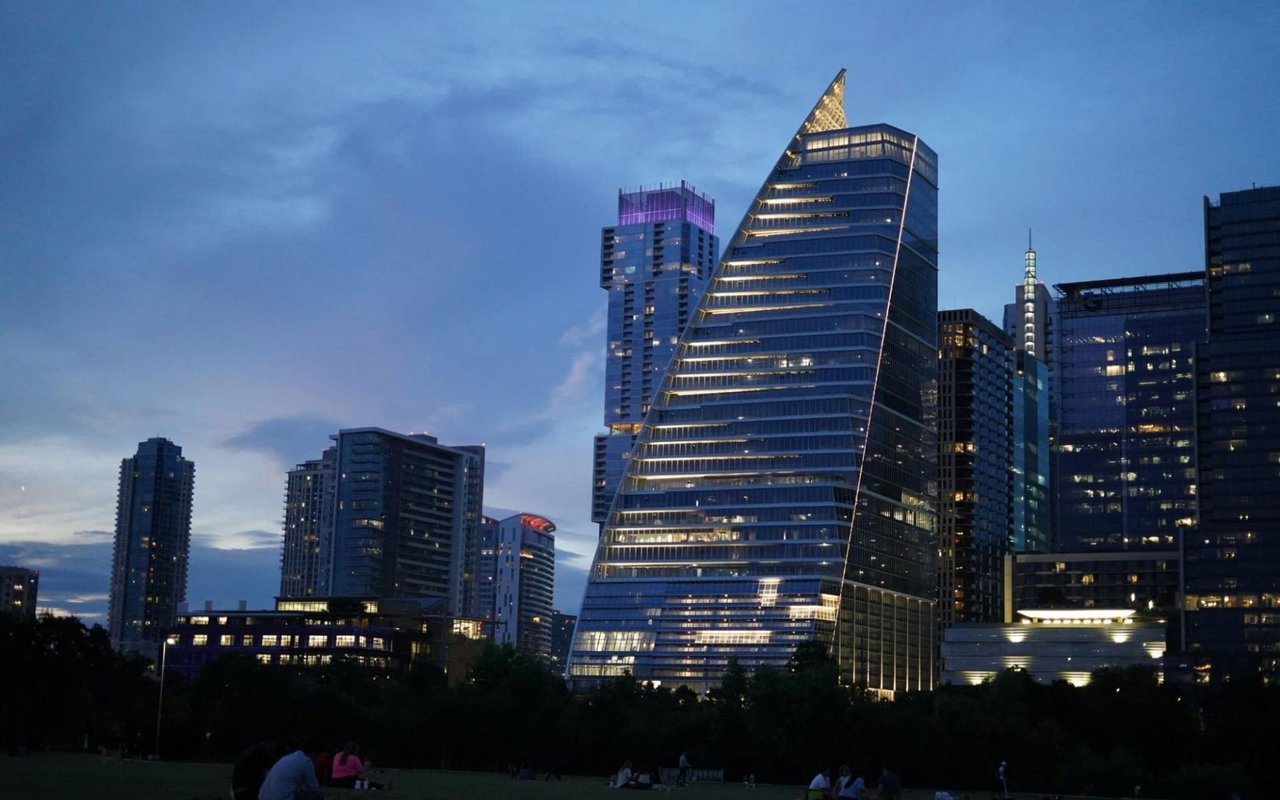
That matters because Central East Austin sits near downtown, the University of Texas, the Medical District, and Lady Bird Lake. Those location advantages continue to support demand from both buyers and renters, even while the broader Austin market has slowed.
Prices Have Softened, Not Collapsed
If you are waiting for a bargain-basement moment, Central East Austin is probably not that market. Pricing has come down, but the neighborhood still trades above Austin’s citywide average, which tells you the area continues to command a premium.
Zillow placed Central East Austin’s typical home value at $551,736 as of April 30, 2026, down 5.3% year over year. For context, Austin’s citywide typical home value was $510,722 as of May 31, 2026, down 5.4% year over year.
Redfin’s three-month median sale price for Central East Austin was higher at $615,543, though down 16.5% year over year. Because typical home value and median sale price measure different things, they are not directly interchangeable, but they point in the same direction: values have cooled, yet the submarket still holds a strong price point.
Buyers Have More Room to Negotiate
This is where the current market may appeal to patient investors. Redfin reported that homes in Central East Austin were taking about 57 days to sell and closing at roughly 97.2% of list price on average.
At the city level, Austin homes were going pending in about 35 days, and a February 2026 Redfin release described Austin as the slowest market among the 50 largest metros. In practical terms, that means you may have more time to evaluate deals, negotiate price, or ask for concessions than you would have during the market’s peak years.
That said, Central East Austin is not a distressed market. Redfin still rates it as somewhat competitive, which suggests that well-positioned homes on the right blocks can still move.
Rent Is Still There, but Pricing Power Is Softer
For investors, rent performance is a major part of the story. The good news is that East Austin still benefits from strong location drivers and a broad renter pool. The more cautious news is that landlord pricing power is not what it was during the post-pandemic surge.
Apartments.com shows average rent in East Austin at $1,734, with studios at $1,357, one-bedrooms at $1,734, two-bedrooms at $2,167, and three-bedrooms at $2,640. It also reports that East Austin apartment rents declined 1.4% over the past year.
Closer-in submarkets can perform differently. East Cesar Chavez averages $2,026 in rent, and Holly’s average one-bedroom rent is $2,116, with Holly rents up 2.1% over the past year. That variation is a reminder that micro-location still matters a great deal.
At the citywide level, Zillow’s March 2026 rent report put Austin’s typical asking rent at $1,579, down 2.3% year over year. It also found that 64.7% of rental listings offered concessions, a sign that renters still have options and owners need to price thoughtfully.
Product Type Matters More Than Ever
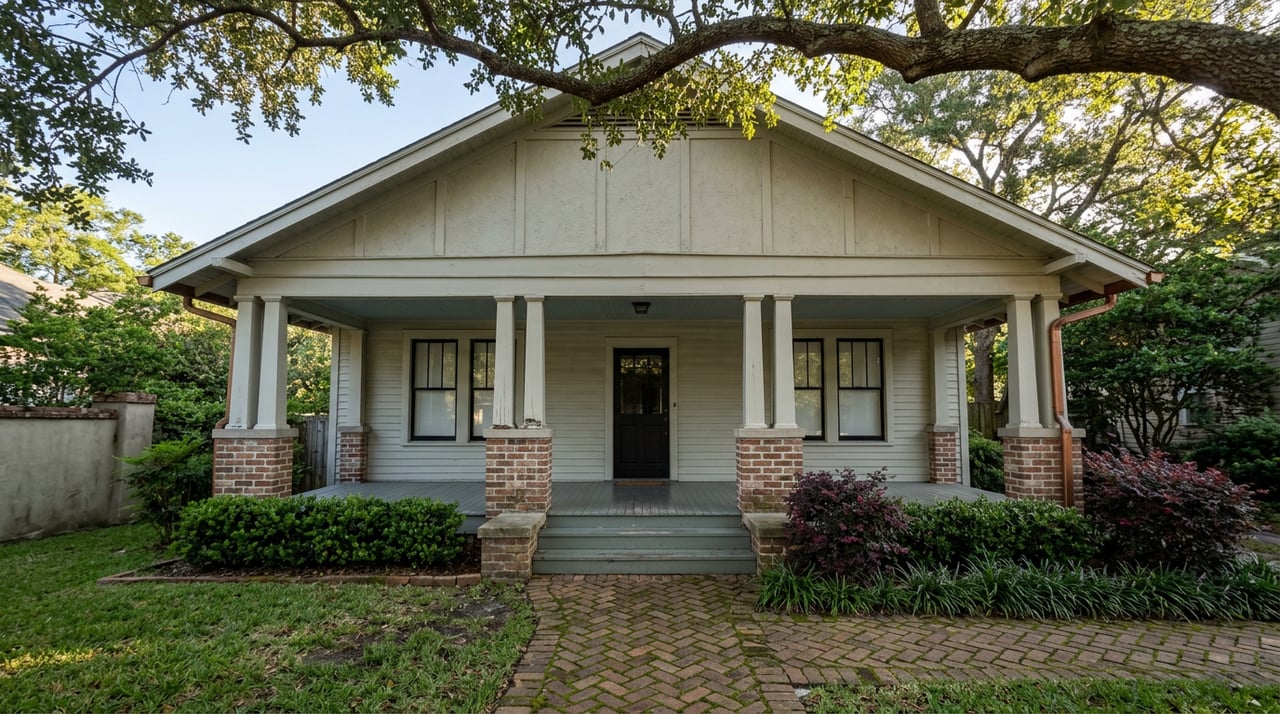
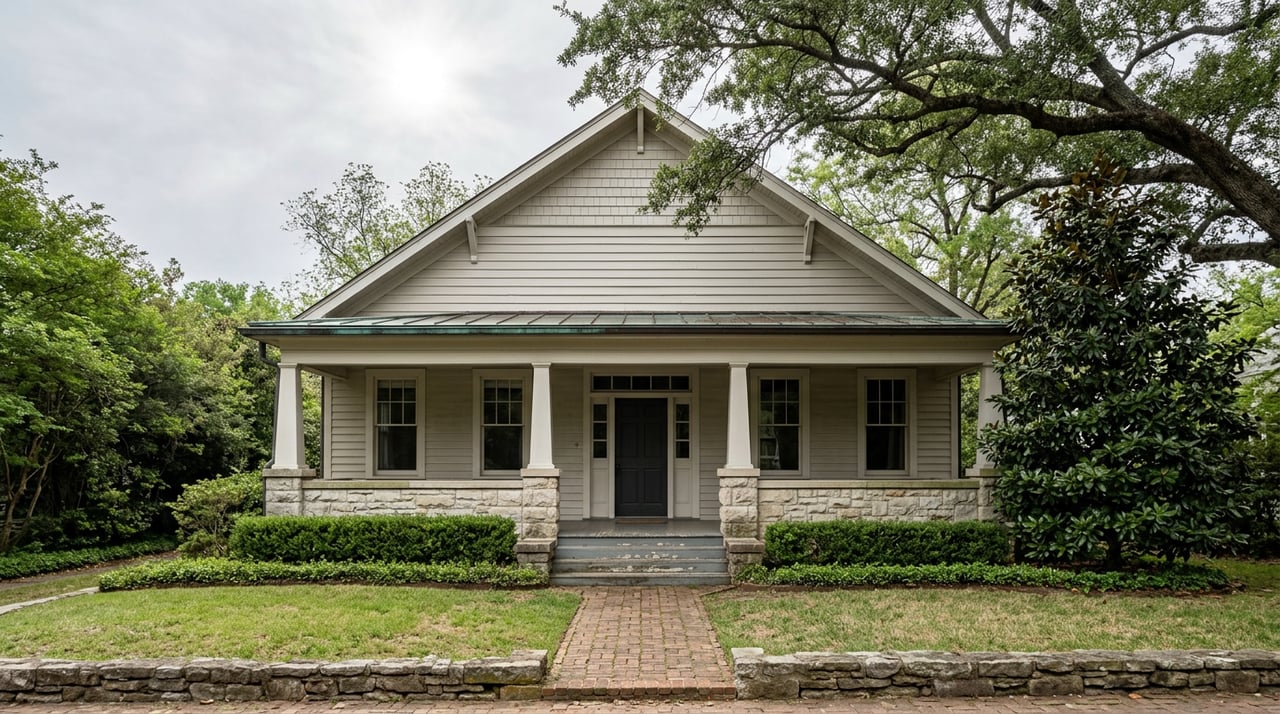
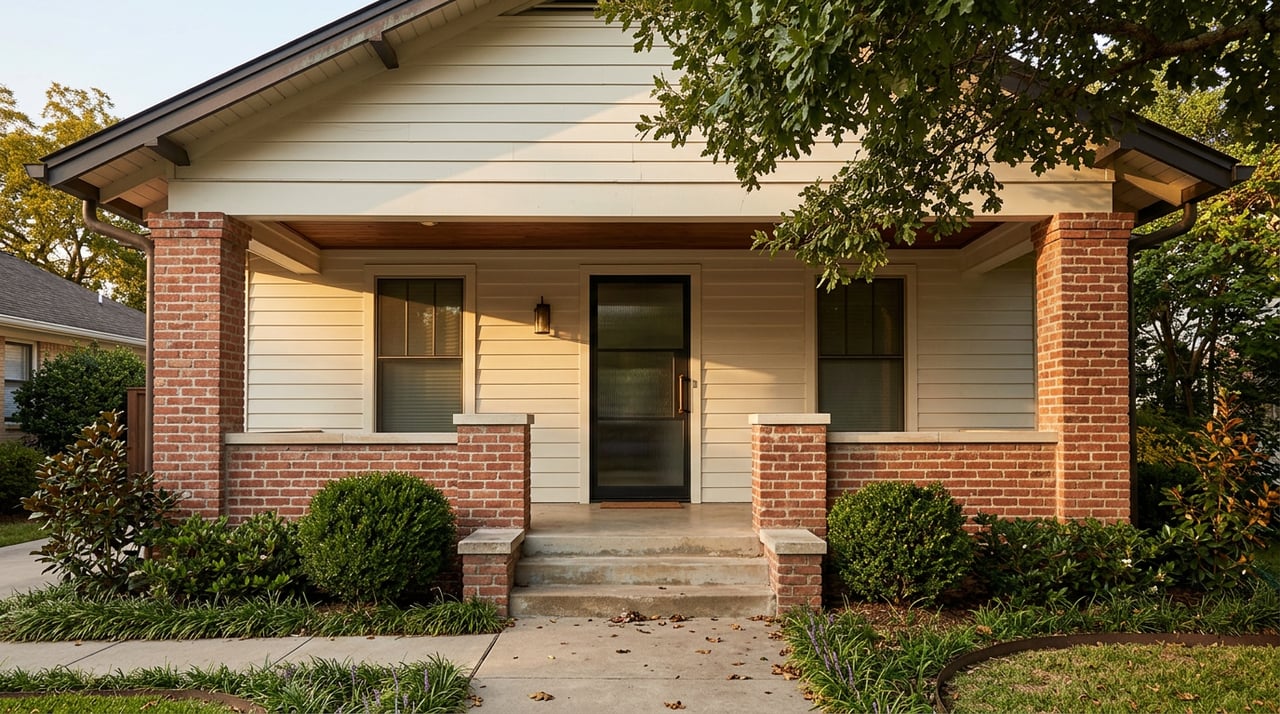
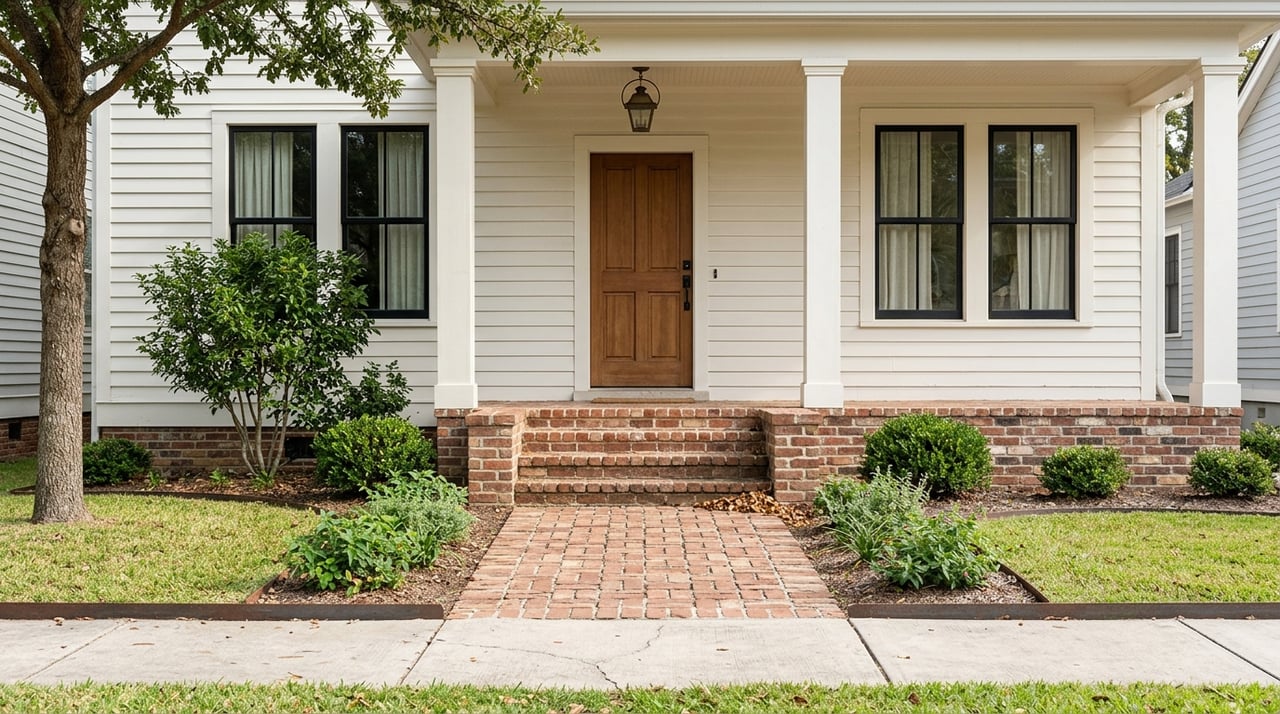
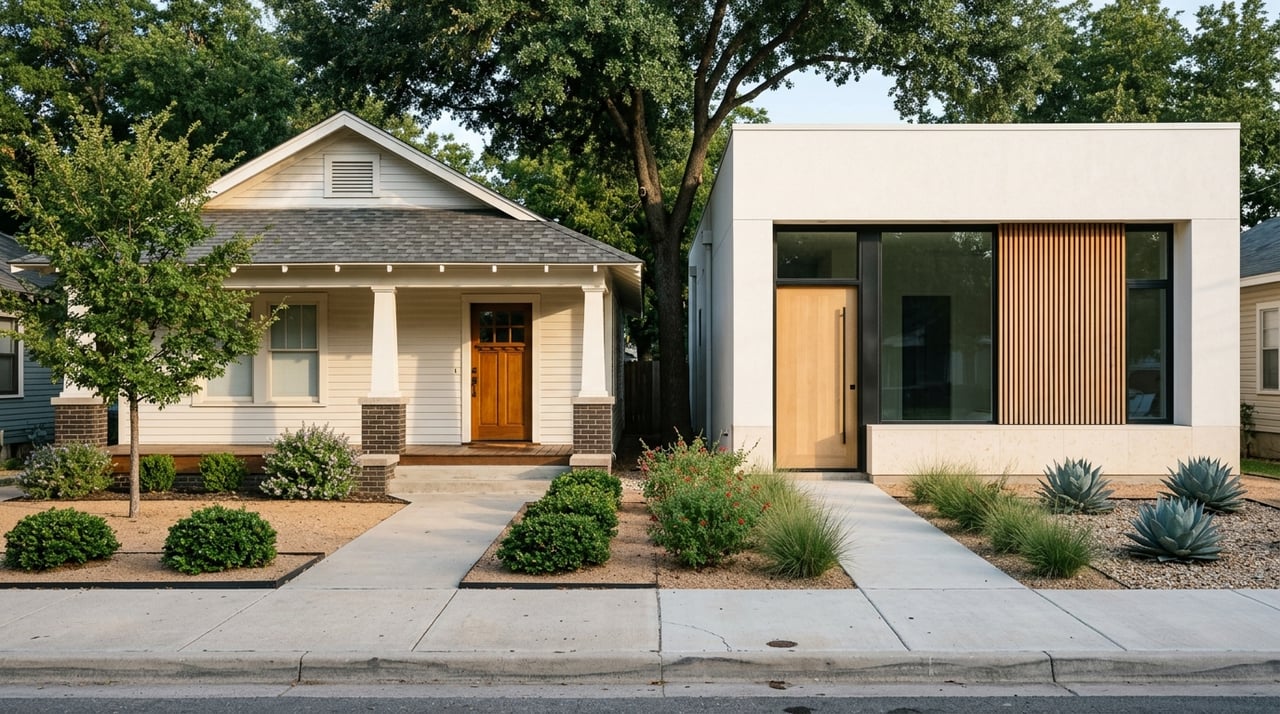
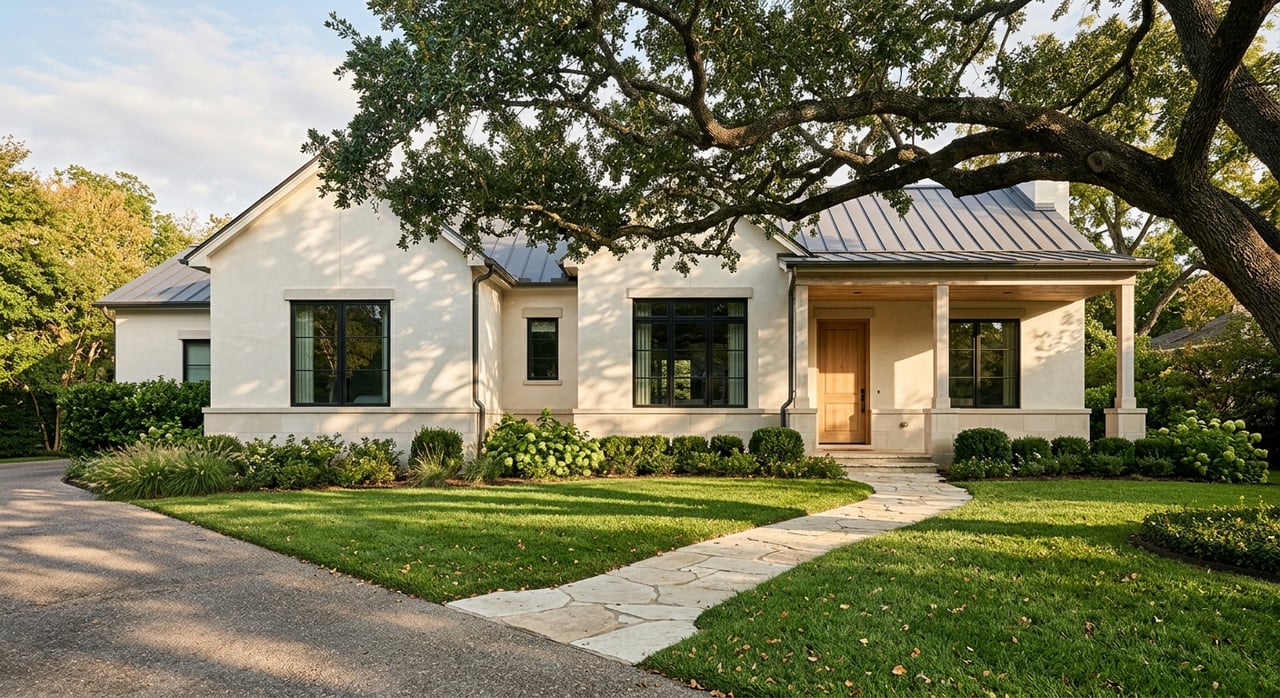
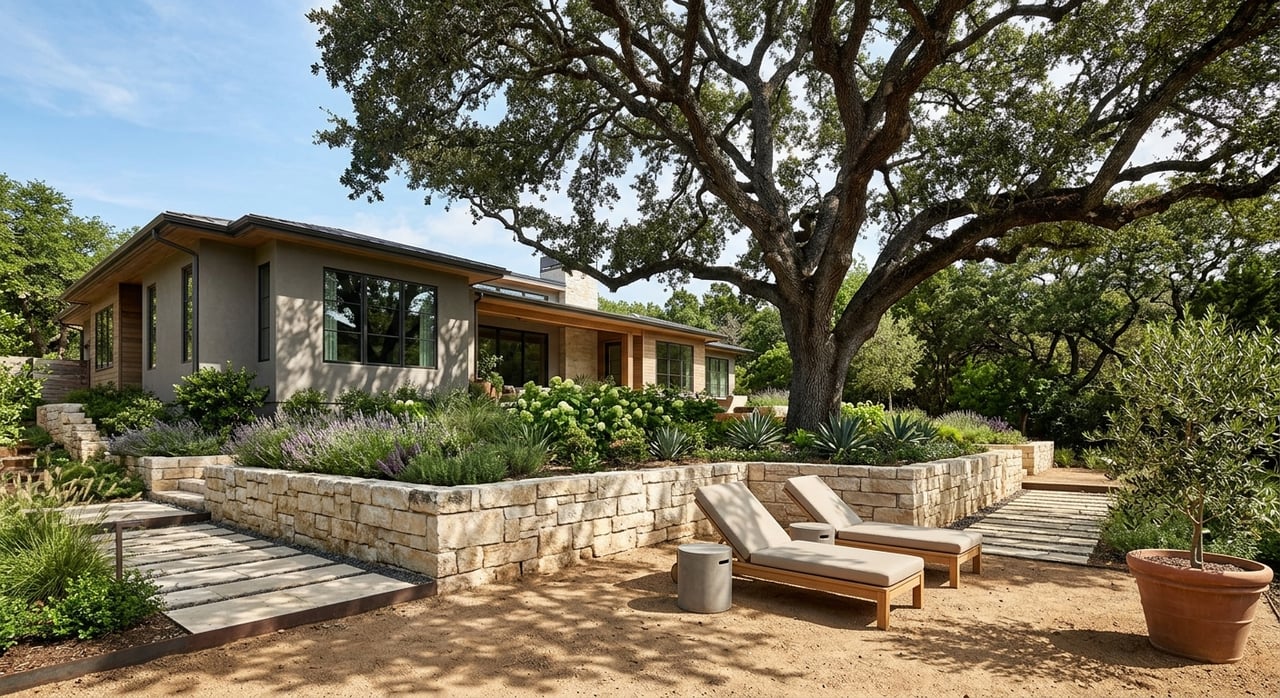
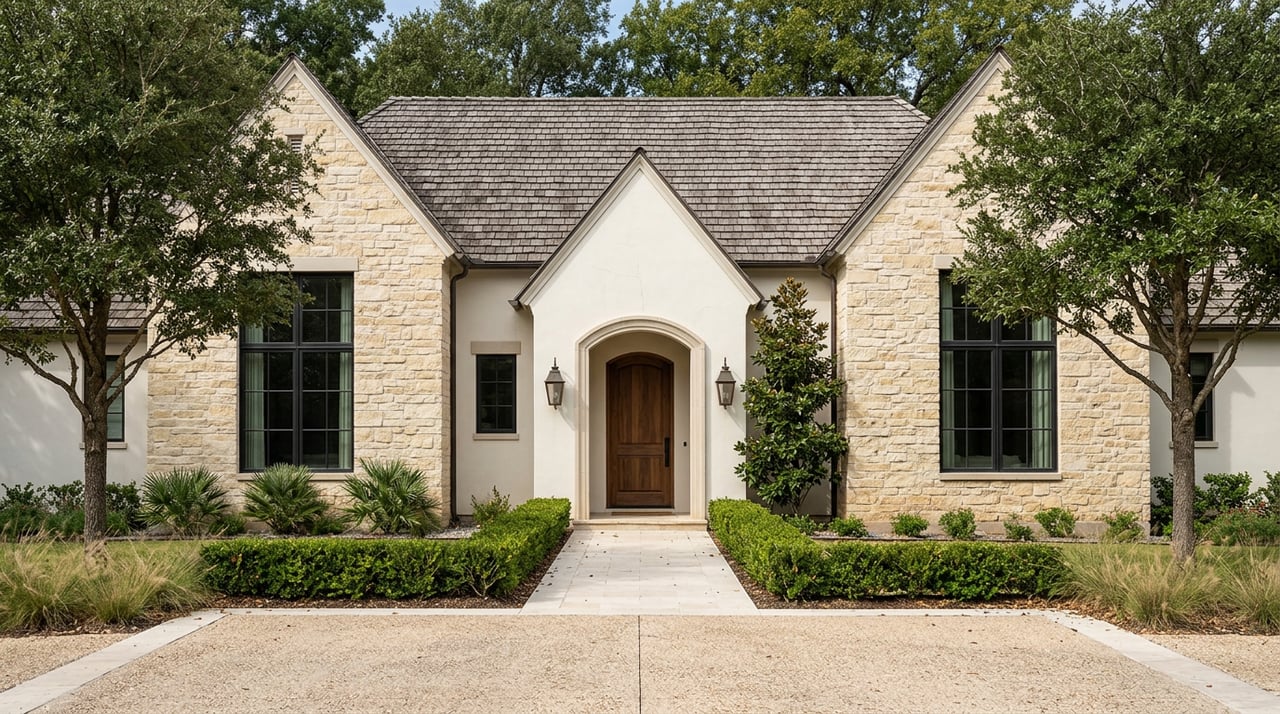
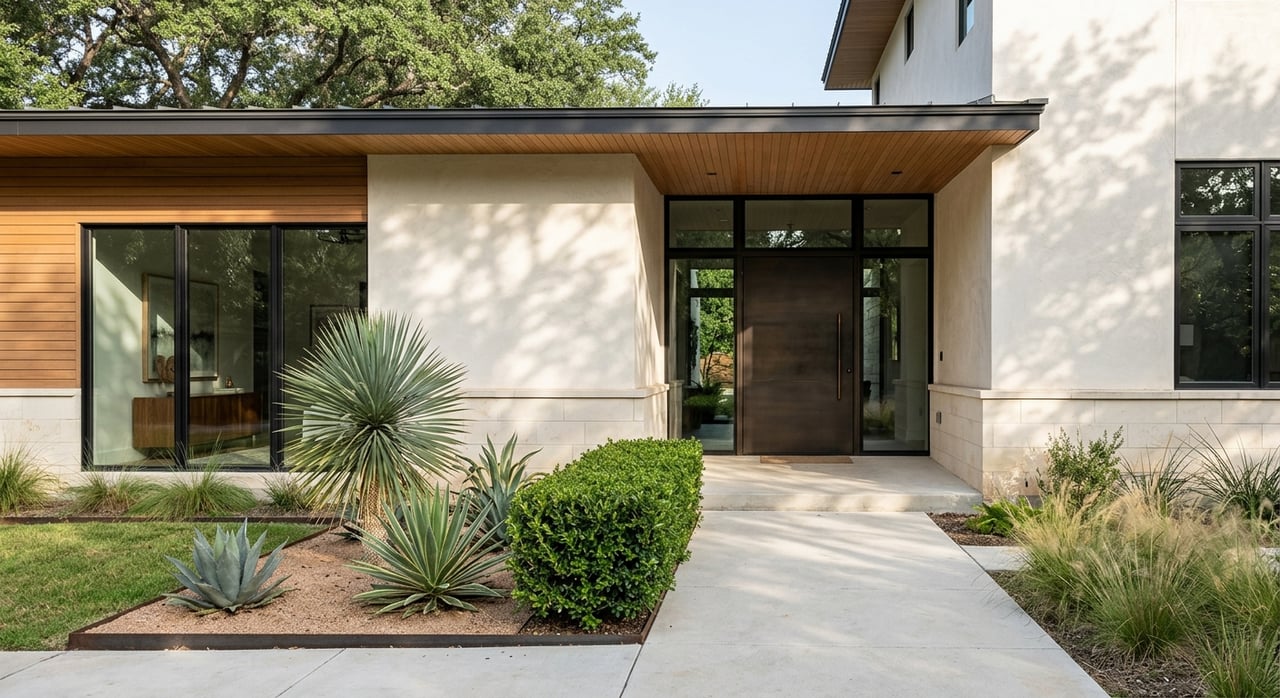
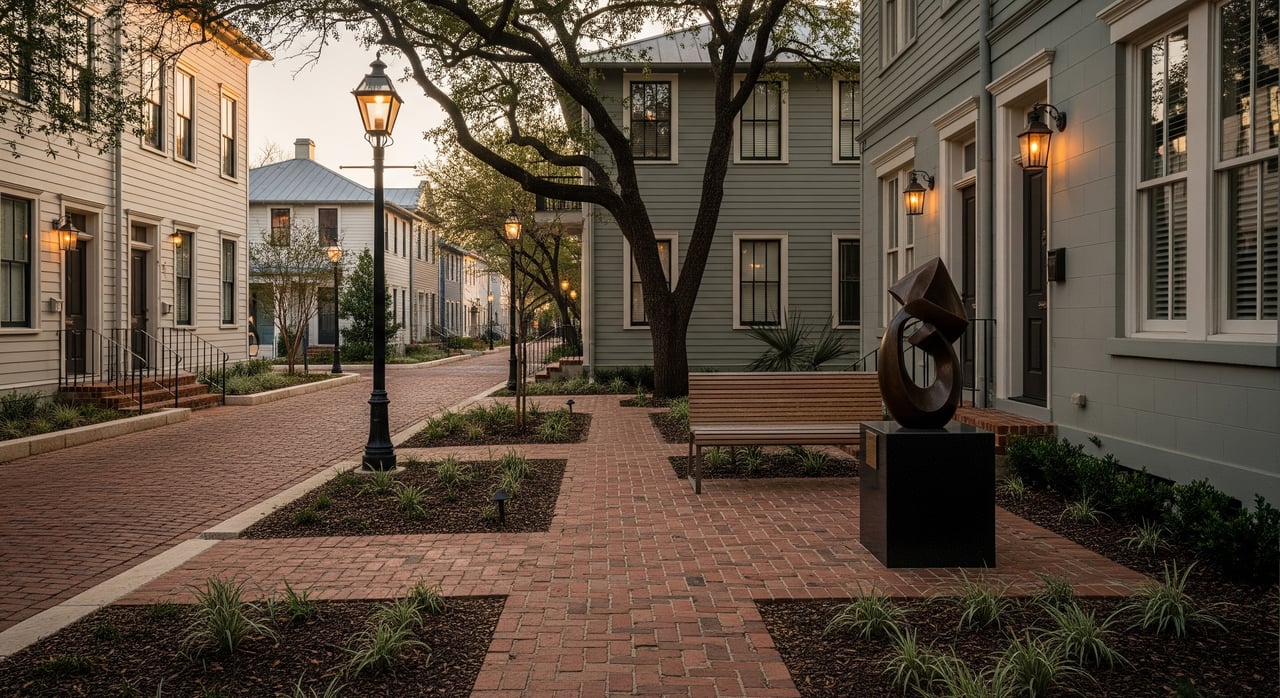
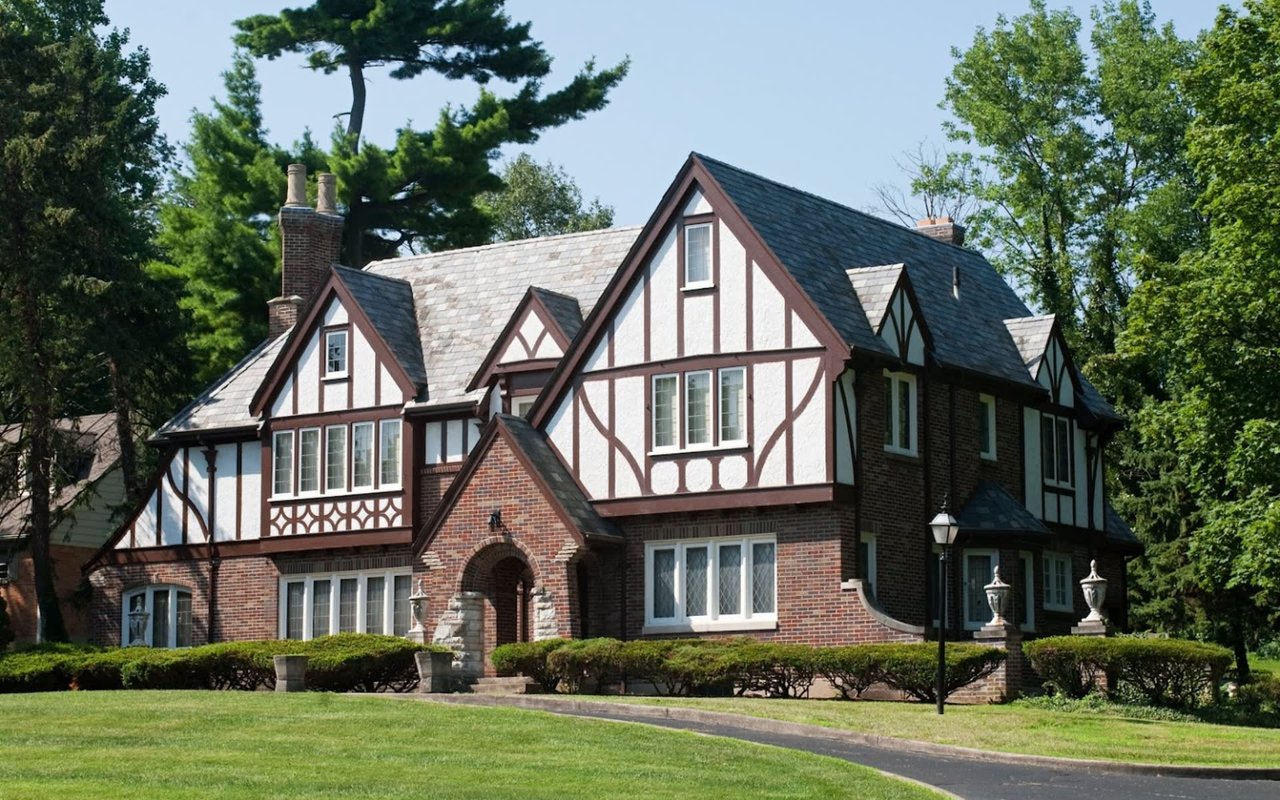
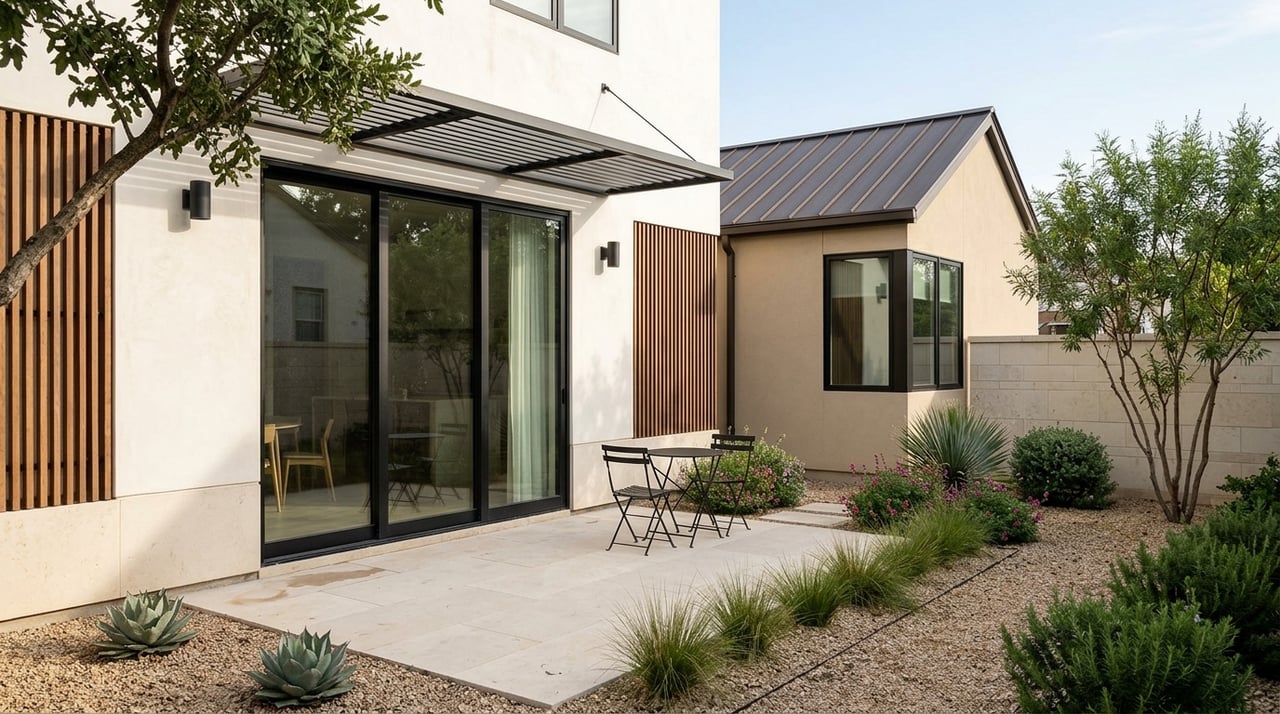
In Central East Austin, not all inventory behaves the same way. Older bungalows, small condos, infill townhomes, and newer modern homes can each attract different renters, carry different maintenance profiles, and appeal to different buyers when it is time to sell.
That is especially important here because East Austin’s housing stock is genuinely mixed. The broader area includes older neighborhood fabric as well as new construction, and recent Central East Austin examples ranged from a 754-square-foot two-bedroom condo to a 2,480-square-foot four-bedroom home.
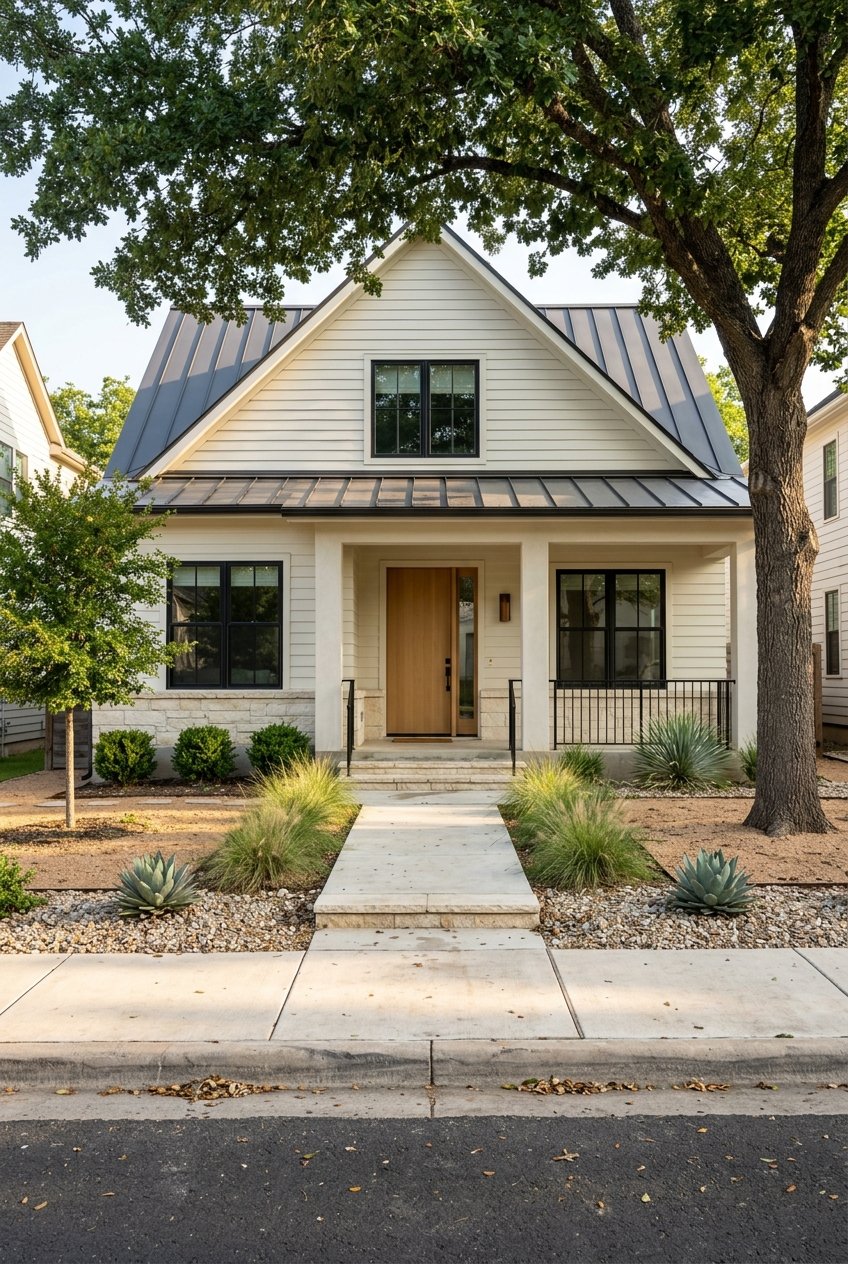
Zillow listing examples in the area also include a 1920s urban bungalow, a remodeled 1950s bungalow, and a 2018-built modern home. If you underwrite this market using only a neighborhood average, you can easily miss the real story.
Why Segmenting the Market Helps
A renovated bungalow may command strong interest because of style and location, but it may also come with older systems and more capex risk. A newer infill townhome may offer lower maintenance, but your initial yield could be thinner because your basis is higher.
Small condos, single-family homes, and multifamily-style opportunities can all perform differently on rent, upkeep, and exit liquidity. In this part of Austin, the investment decision usually gets sharper when you focus on the exact block, condition, lot utility, and likely renter or resale buyer.
The Long-Term Thesis Is Still Intact
If your strategy depends on rapid appreciation alone, this is a harder market than it used to be. If your strategy is long-term and disciplined, Central East Austin still has a compelling case.
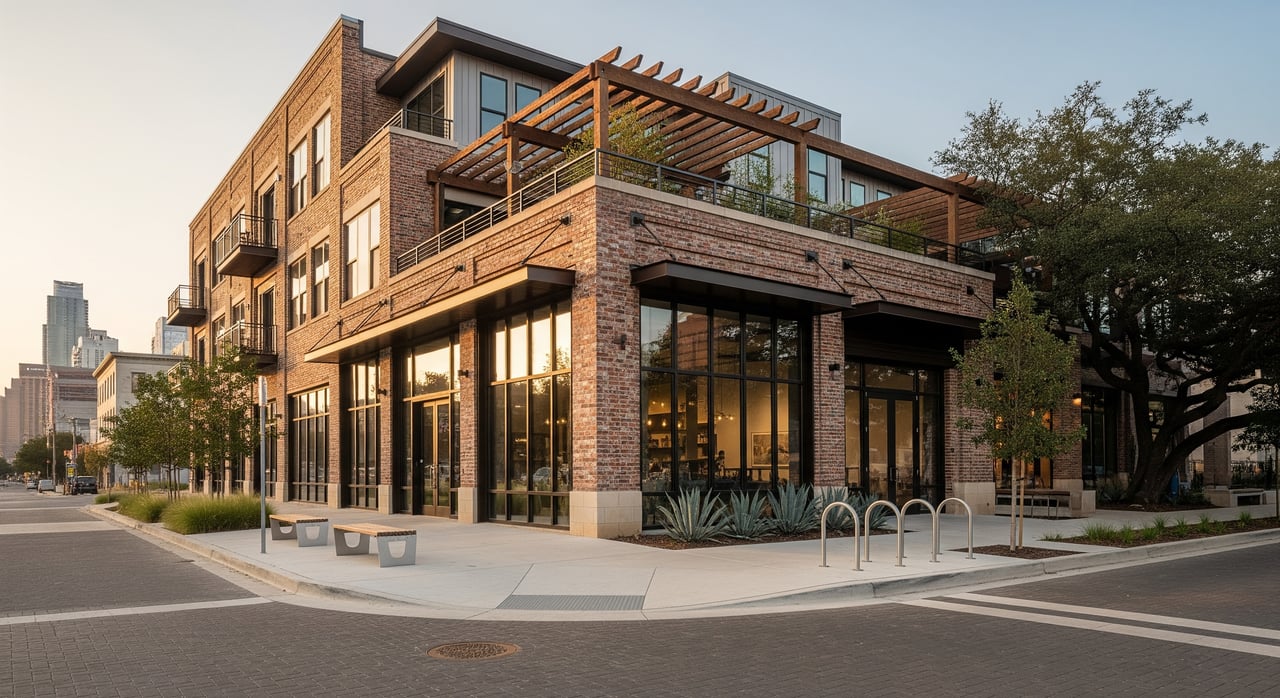
Part of that comes from planning and redevelopment. The City of Austin’s Central East Austin neighborhood plan addresses housing, transportation, historic preservation, and implementation, and the plan tracking reflects mixed-use overlays and Smart Growth mixed-use uses along corridors such as Chicon, MLK, Rosewood, Navasota, and Guadalupe.
In February 2026, City Council also approved an East 11th Street urban renewal modification that increased maximum building height and stepbacks on a specific block. That kind of city action does not guarantee performance on any one property, but it does support the view that parts of Central East Austin remain active redevelopment corridors rather than fully mature, static neighborhoods.
Redevelopment Supports the Area’s Appeal
Austin’s Redevelopment Division describes its work as supporting residential, commercial, and mixed-use communities through new construction, historic preservation or adaptive reuse, updated infrastructure, and community benefits like affordable housing, public art, trails, open space, and recreation.
For an investor, that matters because neighborhood value is rarely about one listing alone. It is often tied to whether public improvements, corridor investment, and private reinvestment continue to shape the surrounding area over time.
Transit and Mobility Still Matter
Transit is another reason Central East Austin stays on investor watchlists. CapMetro says the Red Line connects downtown Austin to Central and Northwest Austin and to key activity centers, and the Plaza Saltillo/East 5th Street project is planned to add double-tracking, a second platform at Plaza Saltillo Station, East 5th Street reconfiguration, and adjacent trail improvements.
As of early 2026, that project was still in design. Even so, it reinforces the area’s long-term transit value, especially for buyers and renters who want strong access to central Austin activity centers.
The City of Austin’s Project Connect Office also says Austin Light Rail is moving forward, with the city coordinating equitable transit-oriented development, and city staff said construction was expected to begin in 2027. The Housing Department is also managing $300 million in displacement-prevention funding as part of that broader effort.
Infrastructure Can Be a Plus and a Headache
The bullish view is clear. Better transit, trail connections, and corridor upgrades can help support long-run desirability and access.
The cautious view matters too. TxDOT’s I-35 Capital Express Central project runs from 2024 to 2033 and represents a major infrastructure buildout. Over the long term, mobility changes may help the urban core, but in the near term, construction disruption is something you need to account for when evaluating timing, leasing assumptions, and tenant tolerance.
Amenities Continue to Support Demand
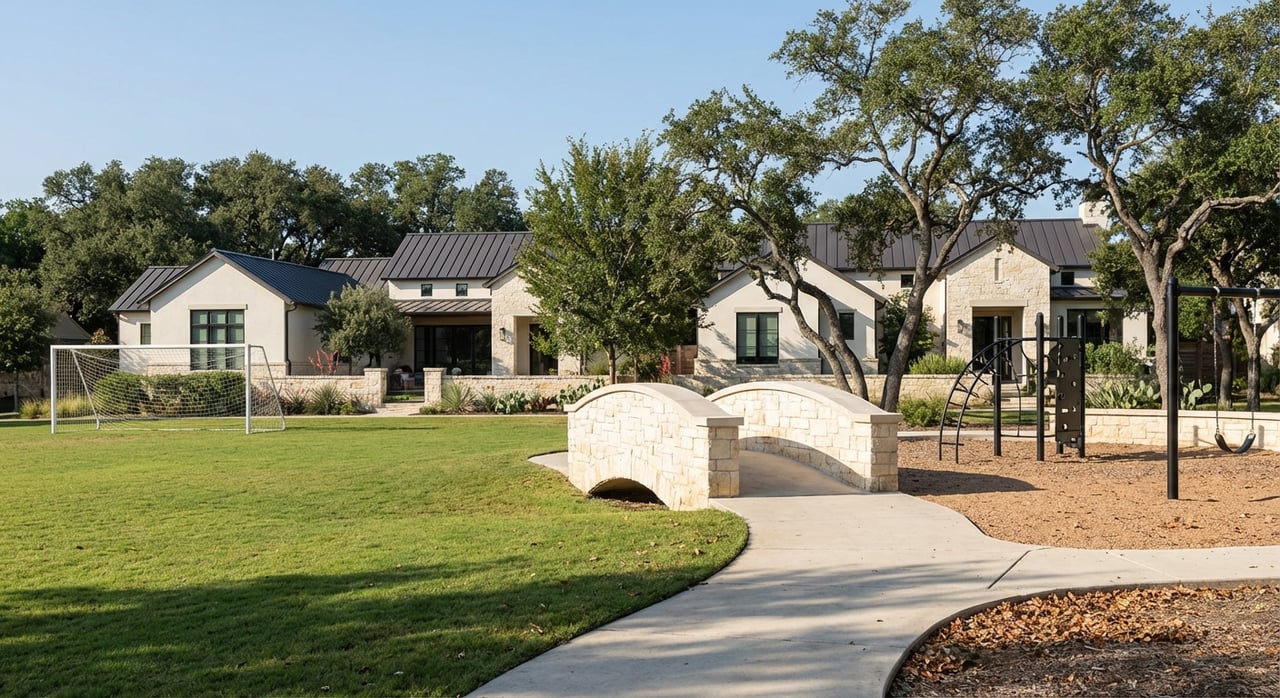
Central East Austin also benefits from a durable amenity base. East Austin’s core park and trail assets include the Boggy Creek Greenbelt and the Lady Bird Lake and Ann and Roy Butler Hike and Bike Trail system.
CapMetro also notes that the Plaza Saltillo project area connects to five major trail networks. For many buyers and renters, these amenities are not side notes. They are part of what makes central urban living feel practical and enjoyable over the long run.
When Central East Austin Makes Sense
The strongest case for investing here is a selective, long-hold approach. This market tends to work best when you buy with realistic expectations, focus on basis, and choose a product type that fits today’s softer rent environment.
The most promising situations often include:
- Well-located homes with manageable capital needs
- Value-add opportunities where renovation premiums are visible in nearby comps
- Newer infill or smaller multifamily-style assets where lower maintenance may offset thinner initial yield
In this market, leverage matters. With 51 homes for sale and 10 new listings in Central East Austin as of April 30, 2026, there may be opportunities to negotiate if a property has lingered or needs repositioning.
When It May Not Be the Right Fit
Central East Austin can be a poor fit for investors chasing quick appreciation or stretching on capex. If your deal only works with aggressive rent growth or a fast resale at a much higher number, the current conditions may not support that plan.
The weaker setups usually include:
- Speculative purchases that depend mainly on rapid appreciation
- Older properties with heavy renovation needs and uncertain rent upside
- Deals underwritten too broadly without accounting for block-by-block variation
That does not mean the area lacks opportunity. It means the margin for error is thinner, and property selection matters more.
The Bottom Line for 2026
So, is East Austin still a smart play for investors? In Central East Austin, the answer is a selective yes.
Prices have softened, rent growth has cooled, and buyers have more negotiating power than they did at the top of the market. But the area still offers a rare combination of central location, mixed housing stock, redevelopment momentum, transit optionality, and trail access that can support long-term value.
The key is to treat Central East Austin as a basis-and-hold story, not a momentum story. If you focus on the right block, the right product, and a realistic hold horizon, the neighborhood can still make sense in a 2026 investment strategy.
If you want a more tailored read on a specific block, property type, or off-market opportunity in central Austin, Nina Seely offers discreet, high-touch guidance shaped by local market nuance.
FAQs
Is Central East Austin still a good place to buy an investment property in 2026?
- Central East Austin can still be a smart investment area in 2026 if you take a selective, long-term approach and underwrite carefully around product type, condition, and micro-location.
Are home prices in Central East Austin dropping?
- Prices have softened year over year, with Zillow showing a typical home value of $551,736 in April 2026 and Redfin reporting a three-month median sale price of $615,543, but the area still remains above Austin’s citywide average.
Are rents in East Austin still strong for landlords?
- Rent demand is still present, but pricing power is softer, with East Austin average apartment rent at $1,734 and Austin renters seeing more concessions across the market.
Why do investors still look at Central East Austin?
- Investors continue to watch Central East Austin because of its close-in location, access to downtown and major activity centers, redevelopment corridors, transit planning, and major trail and park amenities.
What types of properties perform differently in Central East Austin?
- Small condos, older bungalows, newer infill townhomes, and larger homes can each perform differently on rent, maintenance, and resale, which is why investors need to evaluate each asset on its own merits.
What is the biggest risk for East Austin investors right now?
- One of the biggest risks is buying a property that depends on fast appreciation or aggressive rent growth, especially if it also needs significant renovation work.