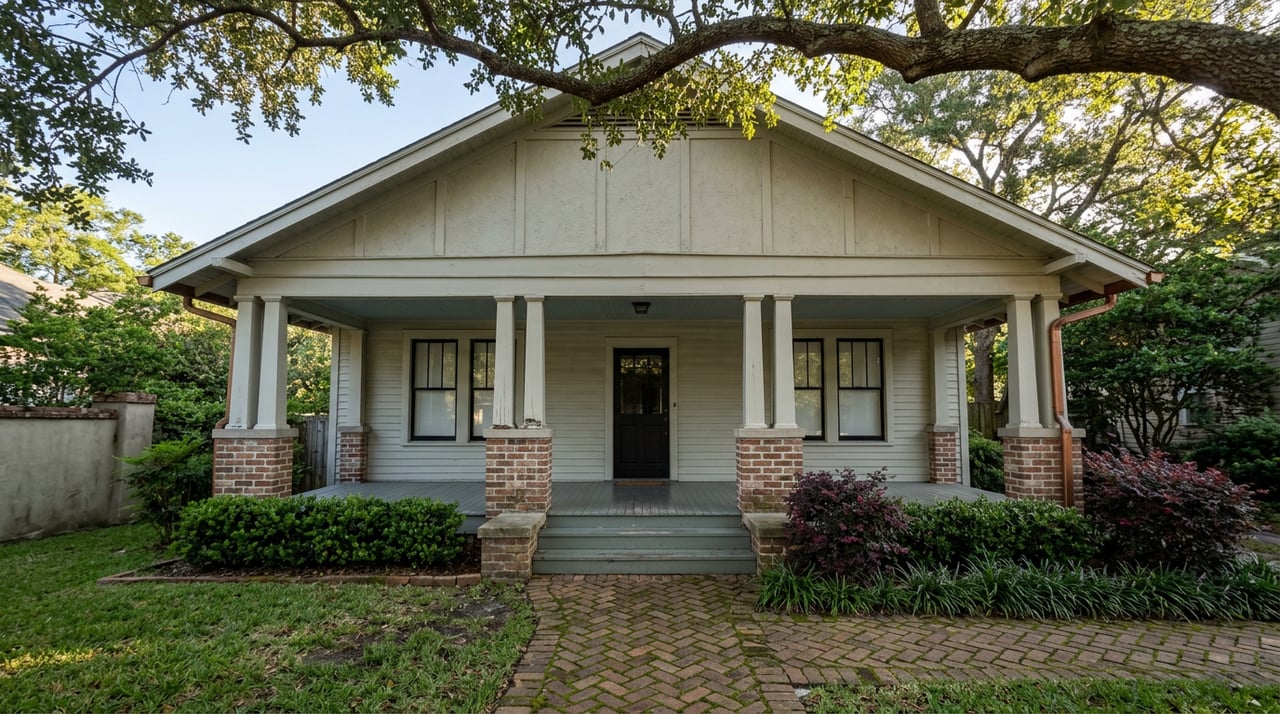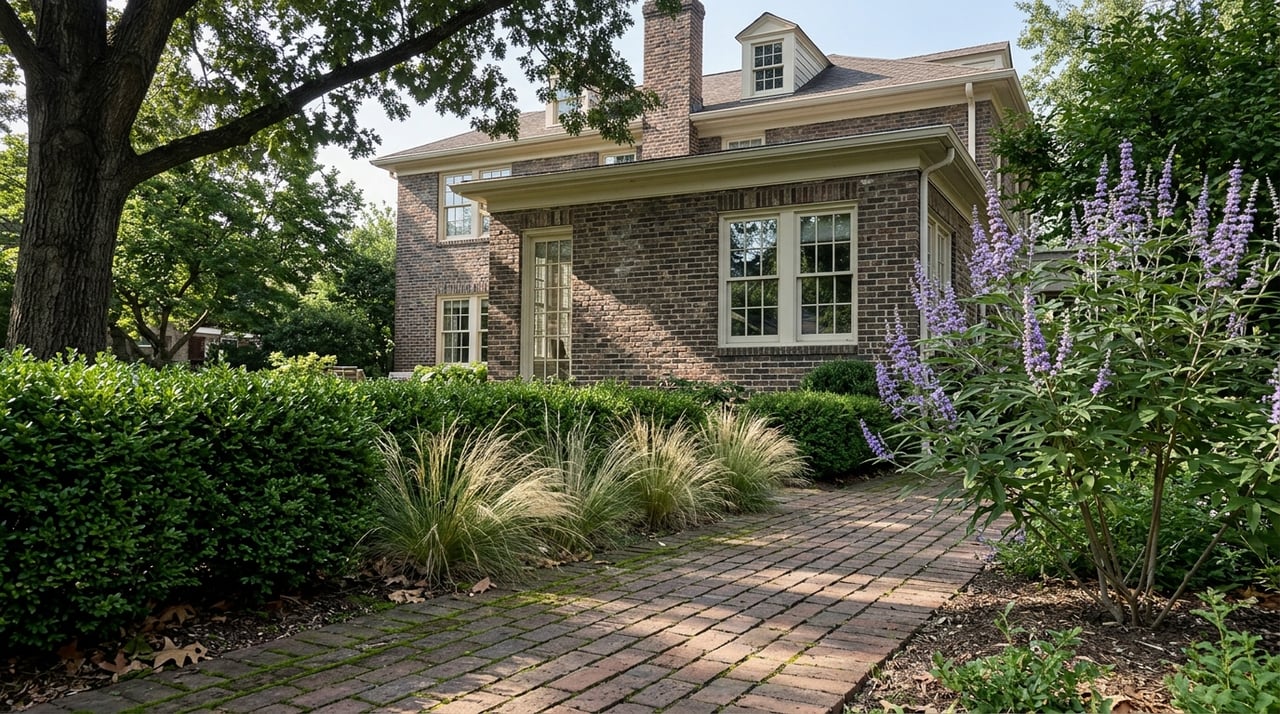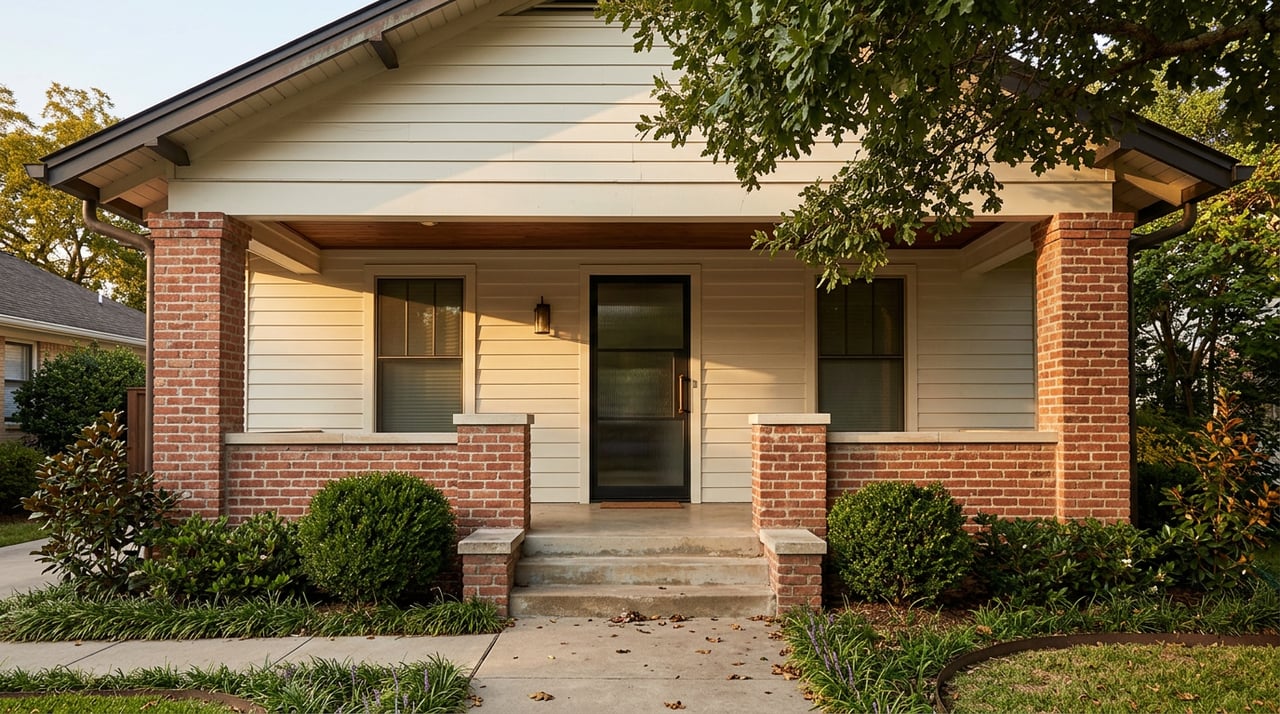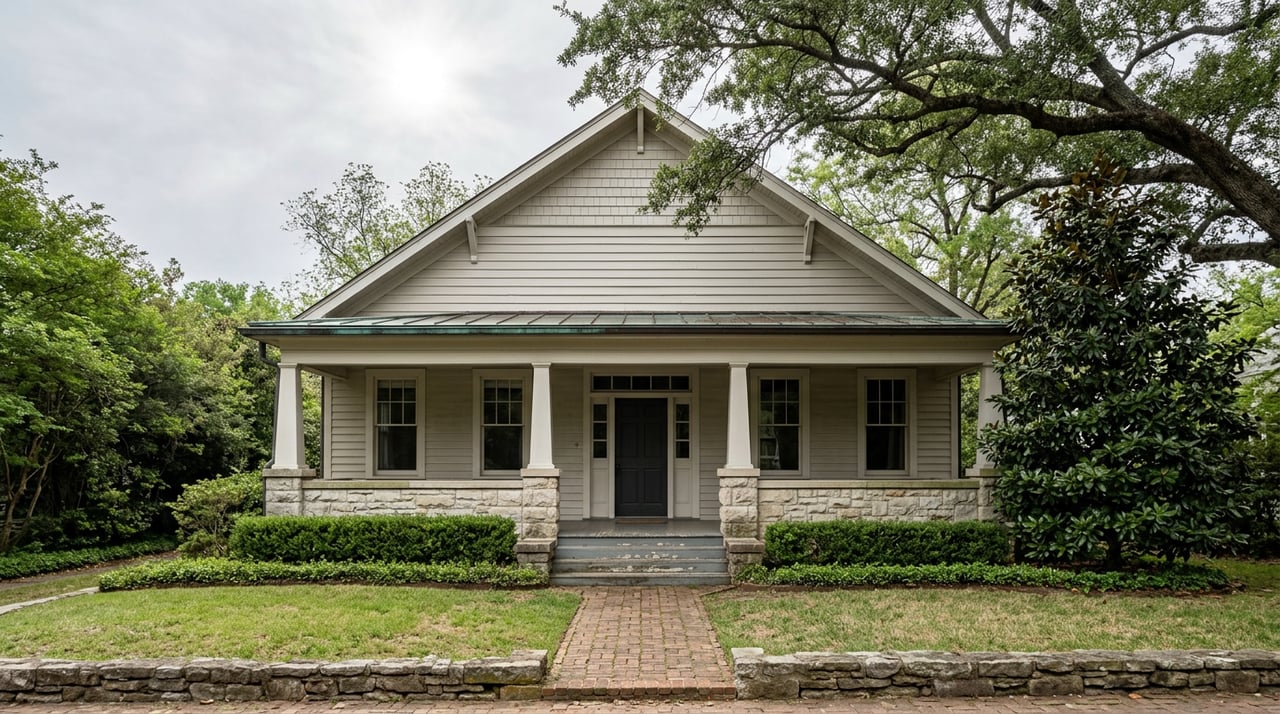
A buyer looking at a 1930s bungalow off West Lynn recently asked why she'd need city approval to replace her own porch railing. The buyer was reacting to the same three words on the listing sheet: historic district. She wasn't wrong to expect rules or benefits. She was just applying the wrong version of them.
Clarksville carries a real, verifiable historic designation. It has since 1975, when the Texas Historical Commission first recognized a strip of the neighborhood, followed by the district's formal induction into the National Register of Historic Places in 1976. But "historic district" in Austin isn't one status. It's two, and they behave almost nothing alike. Clarksville has the version that mostly leaves you alone. It does not have the version that comes with the city's most valuable renovation incentive. Understanding which one you're standing in, and which one might be coming, is the difference between a smooth close and a permit delay you didn't see arriving.
Two Labels, Different Weight
Austin runs two separate systems for protecting older neighborhoods, and the city's own planning pages are direct about the gap between them.
| National Register Historic District | Local Historic District | |
|---|---|---|
| What Clarksville has | Yes, since 1976 | Not currently, according to the Austin Monitor |
| Who enforces it | Recognition, not regulation | City ordinance, City Historic Preservation Office |
| Demolition of a contributing building | Still requires Historic Landmark Commission review, according to Preservation Austin | Requires Historic Landmark Commission review |
| Property tax abatement eligible | No | Yes, for contributing properties, per the City of Austin tax abatement application |
| Number in Austin | 18 National Register districts | 8 local historic districts |
The National Register is a federal recognition program. It documents that a place matters historically. It does not, on its own, tell a homeowner what paint they can use or whether a rear addition needs a hearing. Austin's own historic design standards spell this out plainly: those standards are advisory when applied to National Register districts, and they only become binding law inside a local historic district, which the city calls a historic area combining district in its code. Clarksville is not one of those eight yet. Hyde Park, Castle Hill, and Harthan Street are among the neighborhoods that carry the stronger designation.
The One Thing That Doesn't Change
Here's where the advisory framing stops applying. Regardless of whether a district is National Register or local, any building at least 50 years old that's flagged as a contributing structure still triggers Historic Landmark Commission review before it can be demolished. This isn't a matter of interpretation. Austin's Historic Landmark Commission reviews demolition permits in local historic districts, National Register districts, and for any building over 50 years old, full stop.
Recent commission agendas show this playing out inside neighboring National Register districts on cases with nearly identical fact patterns to what a Clarksville buyer might face. In 2025 and 2026, commissioners reviewed proposals to demolish contributing buildings in the Old West Austin National Register district and the Travis Heights-Fairview Park National Register district, alongside a straightforward request to remodel a contributing house on West Ninth Street inside the Old West Austin district. None of those properties sit in a local historic district. All of them still went through commission review because the demolition trigger doesn't care which tier of designation the neighborhood carries.
For a buyer eyeing a Clarksville lot with an eye toward a full teardown and rebuild, this is the number that matters more than square footage or lot size: a contributing structure means a commission hearing before the first excavator shows up, and that hearing can add real time to a closing-to-groundbreak timeline that a non-designated lot elsewhere in the city wouldn't face.
The Incentive That Doesn't Apply Here Yet
The flip side of the demolition friction is an incentive most Clarksville owners can't currently claim. Austin's rehabilitation tax abatement is one of the more generous tools in the city's preservation toolkit: according to the City of Austin, it runs for seven years if the property is owner-occupied or ten years if it's income-producing.
That abatement is explicitly tied to local historic district status. The city's own FAQ on the program states that work must comply with the local historic district's preservation plan, and eligibility runs through the local designation process, not National Register recognition. A Clarksville owner who spends real money bringing a contributing bungalow back to its original character isn't eligible for that abatement today, because Clarksville isn't a local historic district. The incentive exists. It's just drawn around a different set of neighborhoods.
The Line That's Being Redrawn Right Now
This is where the story stops being static. In July 2025, the City of Austin's Historic Preservation Office finished the Downtown Austin Historic Resource Survey, the first comprehensive look at the area's historic resources since 1984. Division manager Kim McKnight briefed the Historic Landmark Commission on the findings, framing the work as foundational: you can't protect what you haven't documented.
Buried inside that survey are two sub-areas within Clarksville itself, identified by name as eligible for future local historic district designation: Shelley Booth Hancock and Westridge-Lauve. The commission's July 2, 2025 briefing was informational only. No zoning action resulted. Designating a new local historic district in Austin requires a formal application, majority owner support, and a process the City of Austin describes as involving significant effort and extensive outreach, so nothing changes on the ground automatically. But the survey gives Clarksville a documented, city-endorsed path toward the stronger designation tier, block by block, for the first time.
If either sub-area eventually crosses that threshold, the calculus flips for property owners inside those specific boundaries. Renovation review moves from advisory to mandatory. And the tax abatement, currently unreachable for most of Clarksville, would become available to contributing owners inside the new lines.
What This Means If You're Closing on a Clarksville Address
None of this is a reason to avoid Clarksville. The neighborhood's history, from its founding by freedman Charles Clark in 1871 to landmarks like Sweet Home Baptist Church and the Mary Baylor House, which received a Preservation Austin grant, is exactly what gives these blocks their character and, over time, their value. But a buyer or renovator should treat "historic district" as a starting question, not an answer.
Before writing an offer that assumes either heavy restriction or automatic tax relief, it's worth confirming three things: whether the specific structure is classified as contributing, whether the parcel falls inside the Shelley Booth Hancock or Westridge-Lauve survey boundaries now under discussion, and what scope of work you're actually planning. The City of Austin's Historic Preservation Office and the Historic Property Viewer can confirm contributing status on a specific address, and that single data point changes the renovation math more than almost anything else on the listing sheet.
A Few Direct Questions
Does Clarksville's historic status mean I need approval to paint my house? No. Paint color choices on National Register properties are left to the owner. Only local historic districts can impose color or material requirements, and Clarksville isn't one.
Can I tear down a contributing home in Clarksville if I want to rebuild? You can pursue it, but expect Historic Landmark Commission review first. Recent commission agendas show demolition requests for contributing buildings in neighboring National Register districts going through the same hearing process a Clarksville teardown would face.
If Shelley Booth Hancock or Westridge-Lauve become local historic districts, does that happen automatically? No. Local designation requires a formal application and majority property owner support under the city's process. The July 2025 survey identified these areas as eligible. It didn't designate them.
Is the tax abatement worth pursuing if my property becomes eligible? For a substantial rehabilitation, the abatement's seven-to-ten-year term is a meaningful factor worth running against your specific renovation budget. It only applies to contributing properties inside a local historic district, so eligibility depends on both your address and the outcome of the ongoing designation process.
Buying or renovating in a neighborhood with this much layered history rewards the kind of local, block-by-block knowledge that doesn't show up on a standard listing sheet. If you're weighing a Clarksville property, or trying to understand what a specific parcel's designation status actually means for your plans, Legends Real Estate can walk the details with you before you write the offer, not after.
This article is general information, not legal, tax or financial advice. Consult a qualified professional about your situation.