How does a neighborhood's median home price fall in a year when, in some stretches, nobody sells a house at all?
That is not a hypothetical for Pemberton Heights. As of late August 2026, market trackers showed just four active listings in the neighborhood, no new listings in the preceding thirty days, and no closings in that same window. Yet the same data sources report a trailing twelve-month median sale price of roughly $1.96 million, down 11 percent from the prior twelve months. Read quickly, that looks like a cooling luxury pocket. Read carefully, it looks like something else entirely: a market so thin that the "median" is less a measurement of value and more a snapshot of whichever handful of houses happened to close.
If you are comparing Pemberton Heights against other central Austin neighborhoods right now, the number you are staring at is real. What it represents is the part worth slowing down on.
A Market With Almost No Data Points to Average
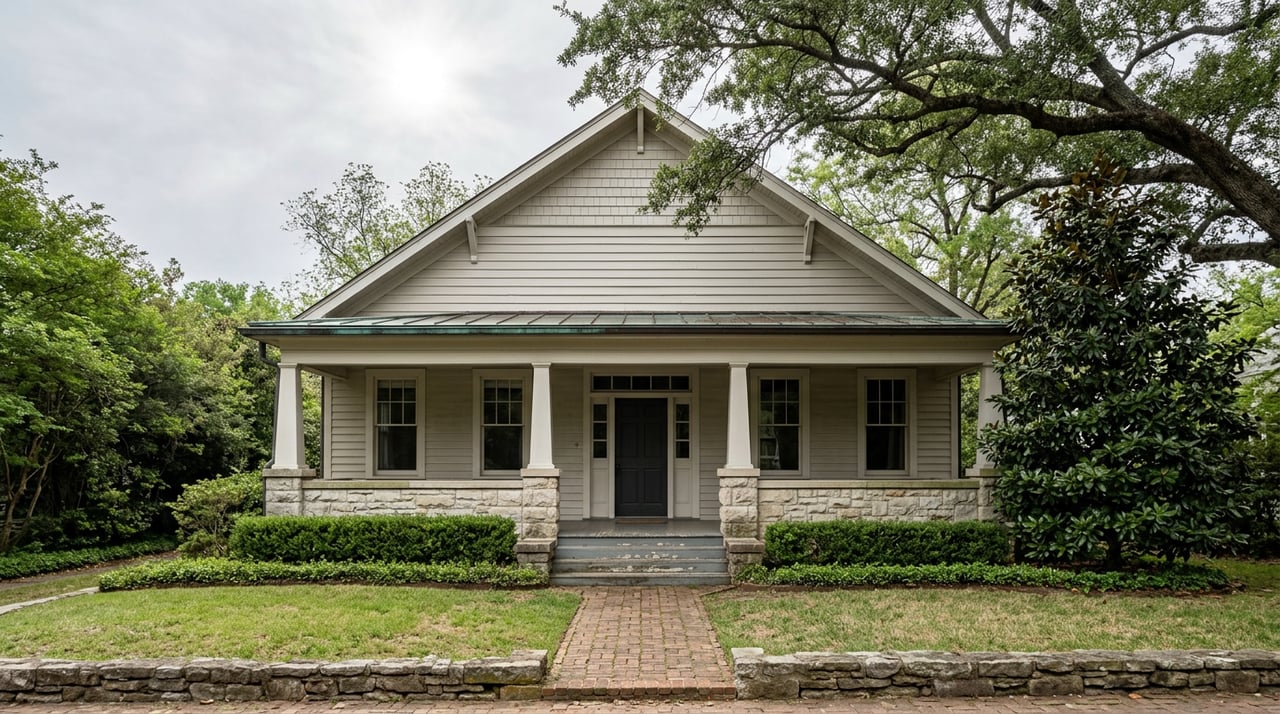
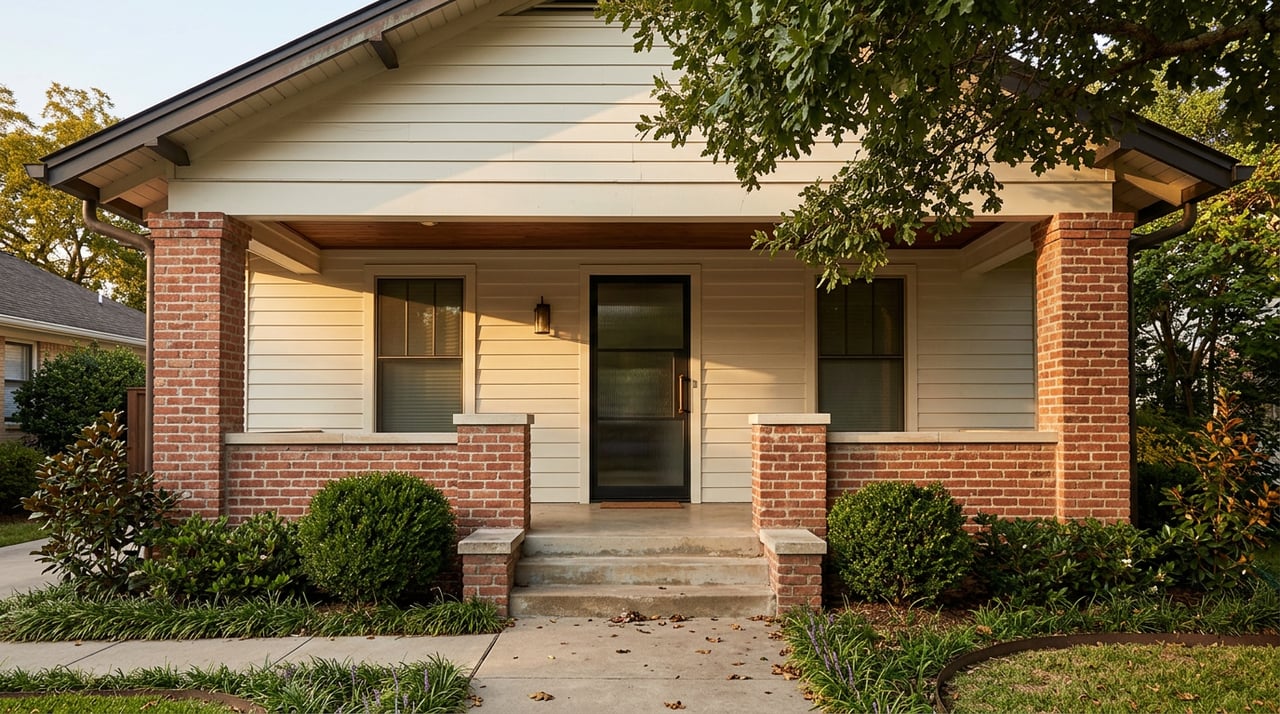
Pemberton Heights is a small, largely built-out neighborhood of roughly a century-old lots between Mopac and Lamar. It does not produce enough annual transactions to make a "median" behave the way it does in a larger, more liquid submarket. When four listings and zero recent sales define the current inventory picture, a single $3 million estate closing instead of a single $1.4 million cottage closing can move the reported median by hundreds of thousands of dollars, with no change whatsoever in what either type of house is actually worth.
This isn't unique to Pemberton Heights this year. Broader spring 2026 reporting on Austin's luxury tier flagged Tarrytown, Pemberton Heights, Barton Hills, and the Westlake and Rollingwood corridor as the submarkets showing the sharpest expansion in days on market within the $1 million to $3 million range. Listings here are also sitting longer than the norm. Homes in Pemberton Heights have been averaging around 71 days on market against a national average closer to 53. Longer market time in a low-volume neighborhood compounds the sample-size problem: fewer sales to average, spread across more months, means each individual closing carries outsized weight in the trailing statistic.
None of that means the neighborhood is soft. It means the number itself is a poor stand-in for what any specific property is worth.
Which House Sold Matters More Than What the Number Says
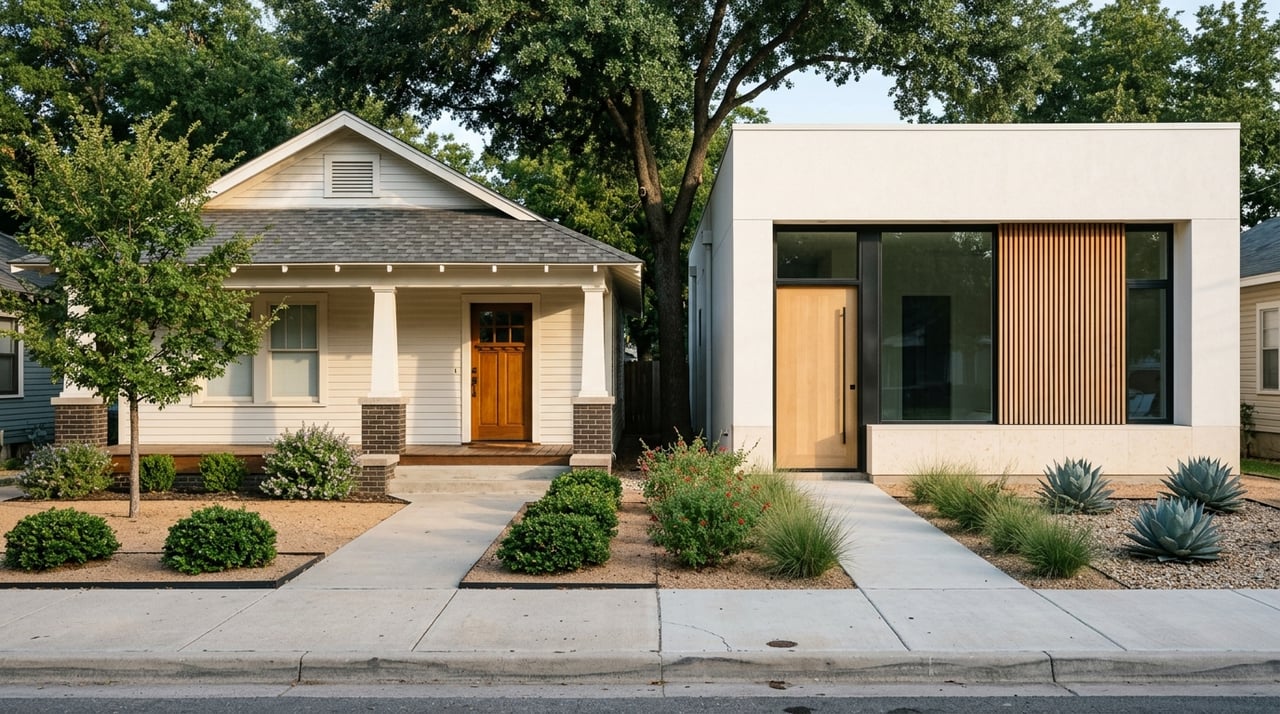
Pemberton Heights is not one market. It is at least two, sitting inside the same set of boundaries.
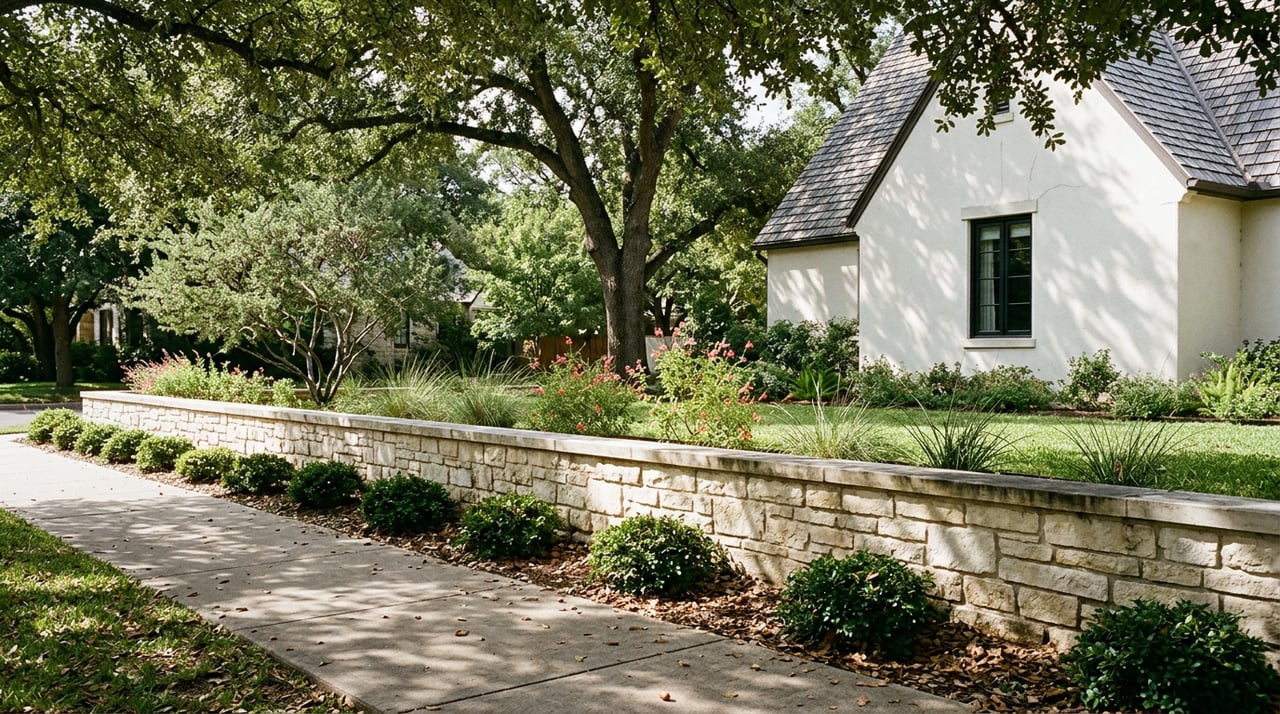
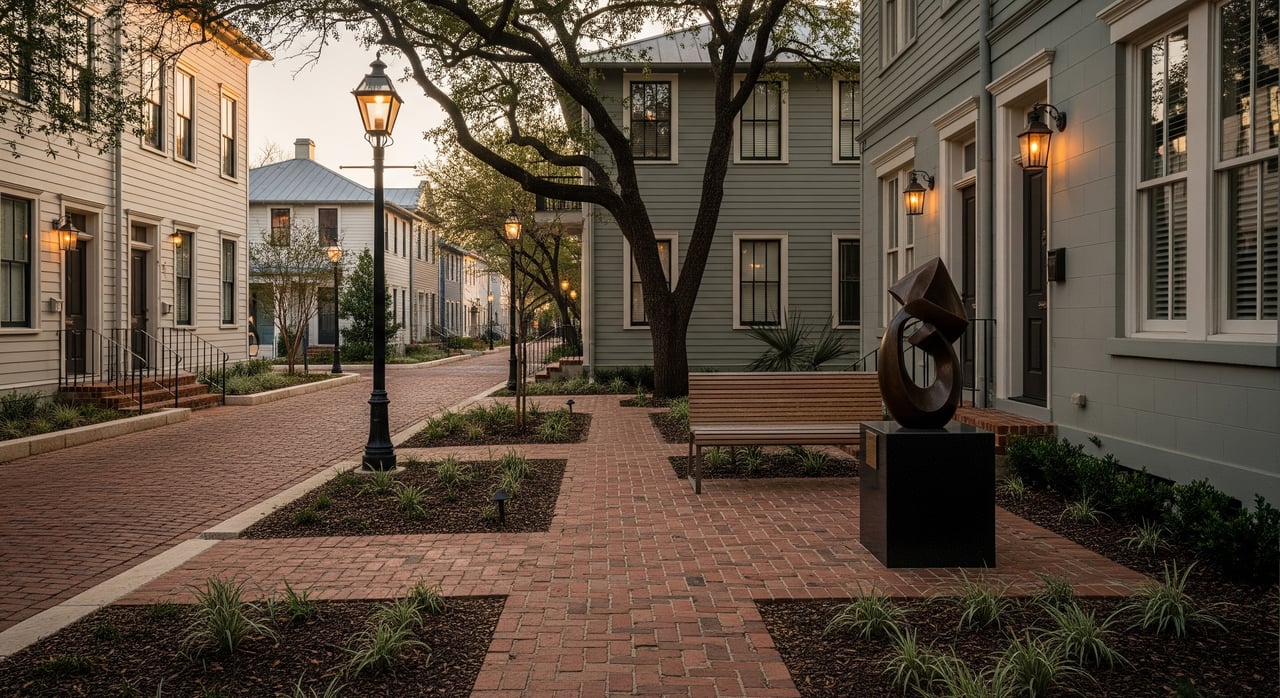
Longtime local listing descriptions consistently draw the same internal line: more modest home sizes cluster on the west side of the neighborhood closer to Mopac, while the larger mansion-scale estates concentrate to the east, toward the Shoal Creek Greenbelt that borders the neighborhood. The neighborhood's average home size runs well over 3,000 square feet, but that average flattens a real spread. Pricing guidance from local luxury teams put prime Pemberton Heights and Tarrytown inventory anywhere from $1.8 million to $8 million and up as of the first quarter of 2026, a range wide enough that "the median" tells you almost nothing about where a specific address falls without knowing which side of the neighborhood, and which era of construction, you're looking at.
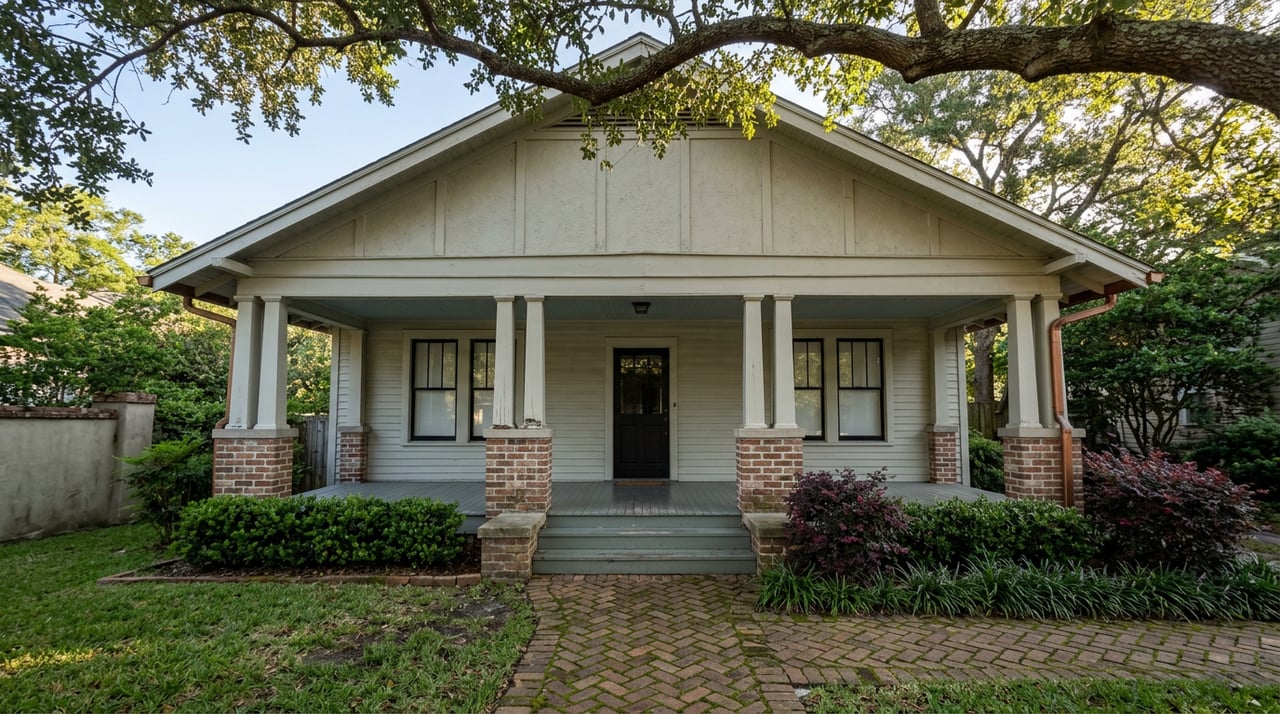
There's a second layer to this. Pemberton Heights sits just south of Bryker Woods, a neighborhood from the same building period with a smaller average home size and a lower price point. Properties near that boundary can pull a Pemberton Heights statistic in a different direction than a property deep in the estate section to the east.
A neighborhood that spans an $1.8 million to $8 million price range doesn't have a median. It has a rounding error.
For a buyer or seller trying to use the reported number to set expectations, the practical takeaway is straightforward: find comparables on your specific block, not the neighborhood-wide blend. A west-side cottage and an east-side estate are not the same asset class wearing the same zip code.
The Real Floor Isn't the Price. It's the Deed.
Here is the piece of this market that a portal number cannot capture at all, and it matters more than the median for anyone thinking beyond a single transaction.
Austin passed sweeping density reform through its HOME initiative, approved in two phases in 2023 and 2024. Those changes generally allow up to three housing units on most residential lots citywide and cut the amount of land legally required to build a house by more than two-thirds. In many Austin neighborhoods, that has meaningfully changed what a lot is worth to a builder, because it changed what can legally be built on it.
Pemberton Heights, along with much of Old West Austin, has largely been insulated from that shift, and the reason isn't zoning. It's private deed restriction. The City of Austin's own guidance is direct on this point: deed restrictions run with the land regardless of who owns the property, and they remain enforceable even when city zoning changes around them. The city will approve a permit that complies with current land development code, but it explicitly places the burden on the buyer to check for deed restrictions before assuming a project is buildable. Enforcement, when it happens, comes through a civil suit brought by a neighbor or a neighborhood association, not through a city inspector.
This tension is not new. Independent local reporting going back to the earlier CodeNEXT rezoning debate documented the same structural conflict: zoning ordinances do not override recorded deed restrictions, even when the city rezones an area specifically to allow more density. A lot can be zoned for three units and still be legally limited to one house, if a decades-old covenant on that specific plat says so.
For Old West Austin, where sub-plats carry restrictions written decades apart by different original developers, this means the actual limits on a property depend on paperwork specific to that plat, not on the neighborhood's reputation or on what a neighbor's lot allows. Before assuming a Pemberton Heights property has redevelopment flexibility, or assuming it doesn't, that language needs to be pulled and read.
A May Resolution Put Part of That Protection Back on the Table
The deed restriction layer is privately held and, so far, untouched by city zoning changes. A related but separate layer, the neighborhood-level zoning protections that many Old West Austin residents have also relied on, is currently under active review.
In May 2026, the Old West Austin Neighborhood Association reported on a City Council resolution, authored by Council Member Krista Laine, directing the city manager to draft amendments that would align zoning rules across all single-family districts. In practice, that could mean revisiting protections such as Neighborhood Conservation Combining Districts, regulating plans, and conditional overlays that have historically carved out exceptions for specific Austin neighborhoods. Critics quoted in that coverage raised concerns about property tax exposure and changes to established neighborhood character if those protections are unwound.
Separately, Community Impact's coverage of the same period noted that city officials and the Austin Board of Realtors' government affairs office both described HOME as functioning as intended, even as some residents pointed out that a roughly $750,000 new-build price point remains out of reach for many working households, against an estimated affordability ceiling closer to $380,000 for typical municipal workers.
Worth being precise here: this resolution targets zoning-plan protections, which the city administers and can amend through its own process. It does not touch private deed restrictions, which are recorded, court-enforced, and outside the city's authority to override no matter how far zoning reform goes. The two protections have traveled together in Old West Austin for a long time. As of this writing, only one of them is currently on the table at City Hall.
What This Actually Means If You're Weighing a Move
If you're comparing Pemberton Heights against other central Austin neighborhoods, the reported median is a starting conversation, not a conclusion. A softer year-over-year number in a four-listing market can reflect which houses happened to trade rather than any broad repricing. The more useful exercise is pulling true comparables from your specific block and understanding whether you're on the Mopac side, the Shoal Creek side, or the Bryker Woods boundary, because those three pockets don't behave like one market.
If redevelopment potential is part of your thinking, the HOME initiative's citywide allowances are not the last word for this neighborhood. A title search or a pull from the Travis County Clerk's public records is the only reliable way to know what a specific lot can and cannot support, regardless of what current zoning technically permits.
And if you're watching this neighborhood over a longer horizon, the City Council process that opened in May is worth tracking even though it hasn't touched the deed-restriction layer yet. Zoning protections and private covenants have reinforced each other here for decades. That's a different thing than being interchangeable.
A Few Direct Questions
Does Austin's HOME initiative apply to Pemberton Heights? The zoning rules apply everywhere inside Austin's city limits, Pemberton Heights included. Whether they change what you can actually build depends on whether a private deed restriction on that specific plat says otherwise, since those restrictions operate independently of city zoning.
How do I find out if a specific property has a deed restriction? A title company or real estate attorney can pull the recorded restriction for a specific plat. The Travis County Clerk's public records are the underlying source the city itself points buyers toward before any permit application.
Is a falling median price here a signal to move quickly? Treat it as a prompt to look closer, not as a verdict. In a neighborhood generating this few transactions a year, the reported number says more about which houses sold than about what any specific property is worth today.
Pemberton Heights rewards the kind of buyer or seller willing to look past the headline number and into the specific parcel, the specific plat restriction, and the specific comparable. That is precisely the work discreet, relationship-driven representation is built for. If you're weighing a move into or out of this neighborhood and want a read that goes beyond the portal average, Work With Us at Legends Real Estate.