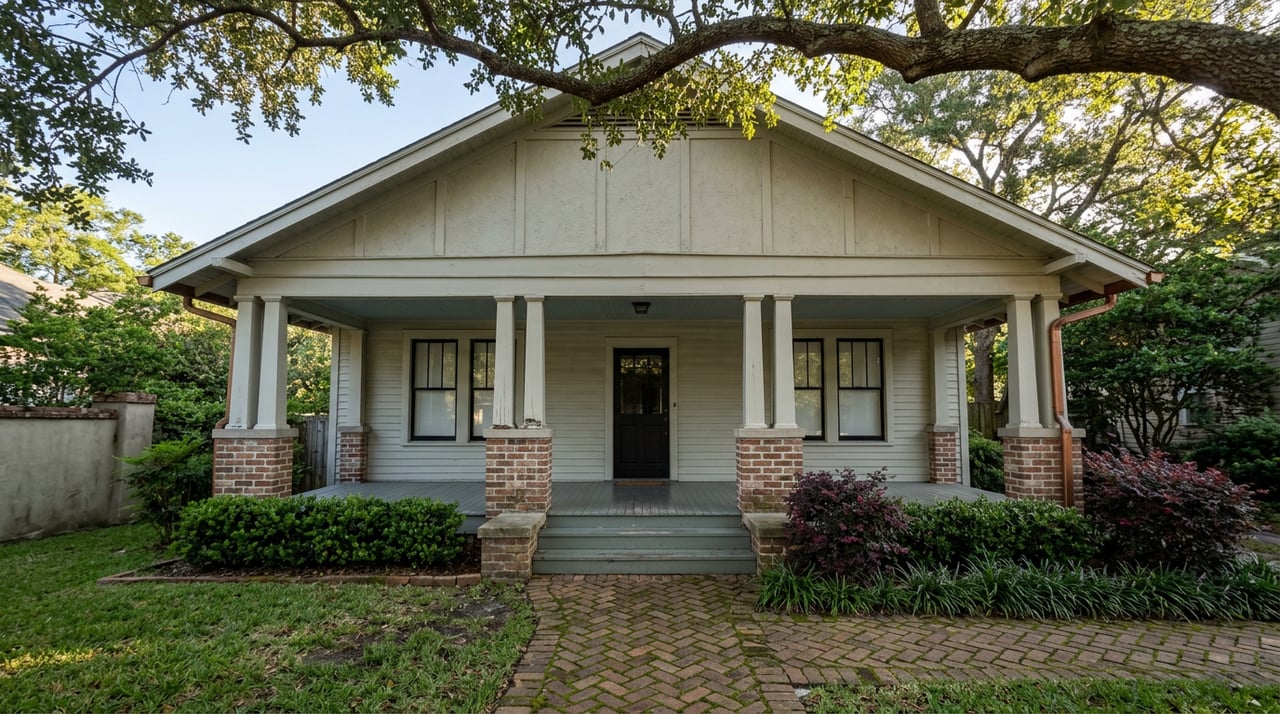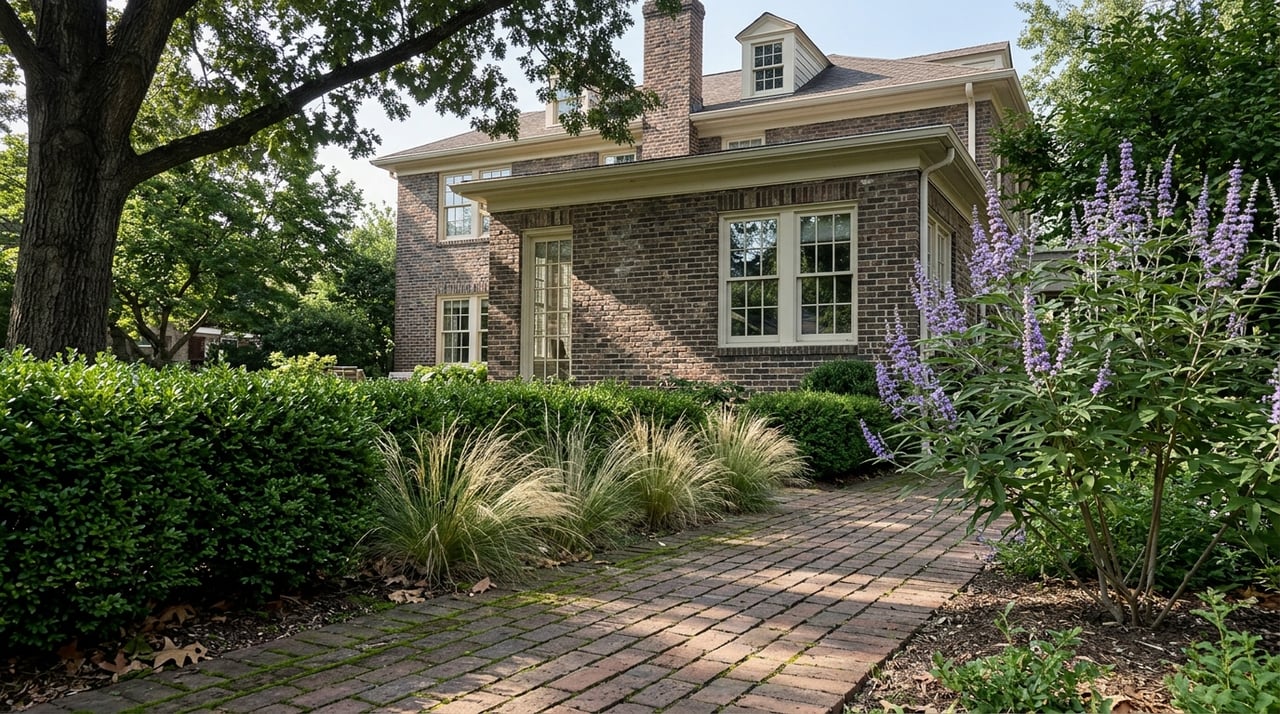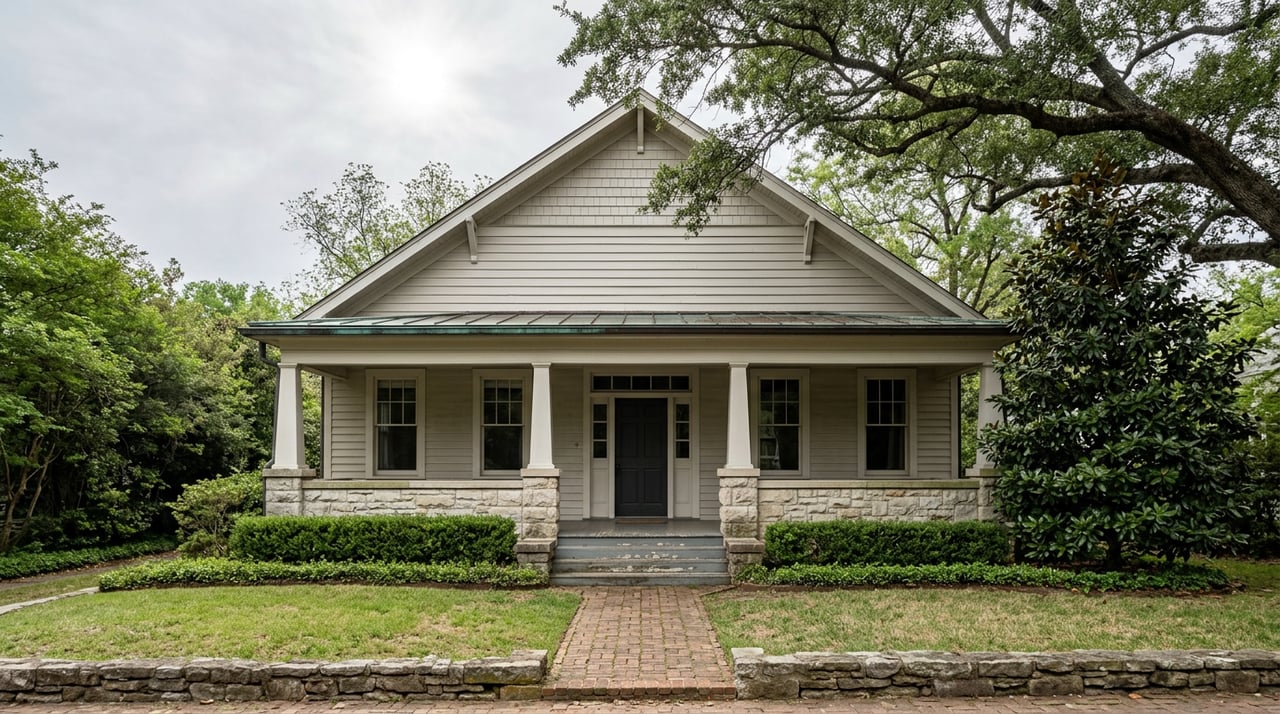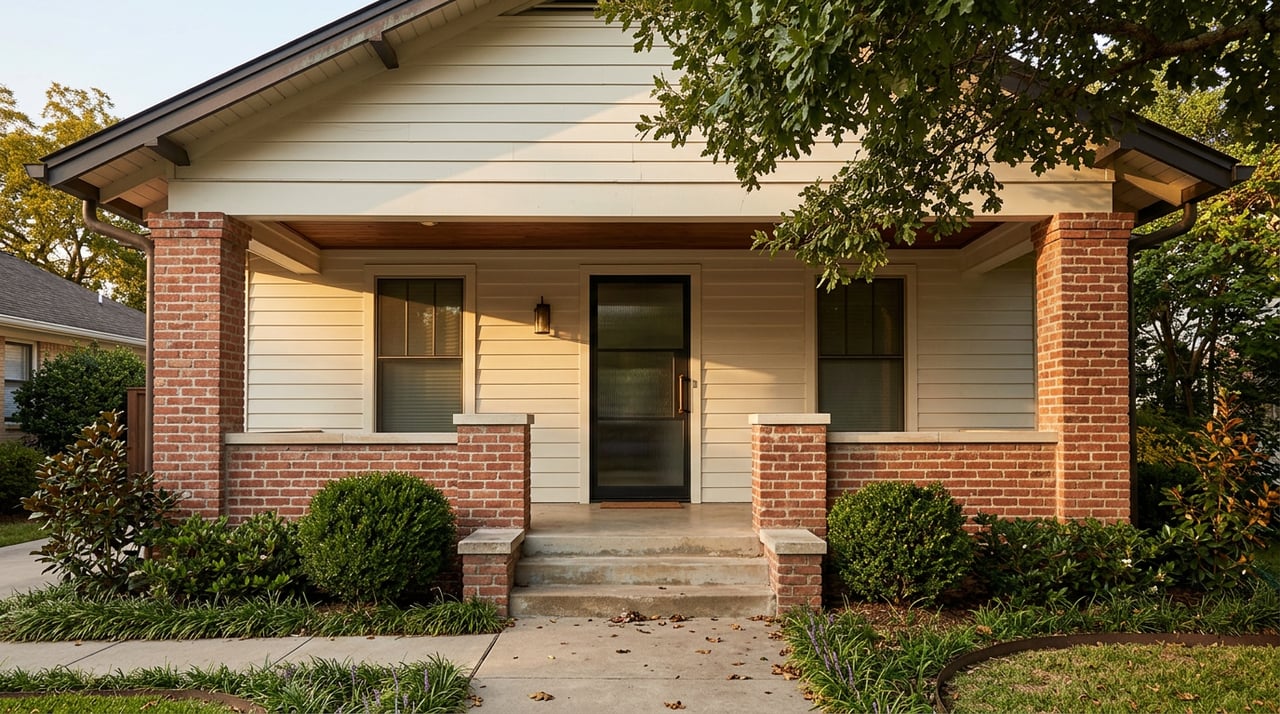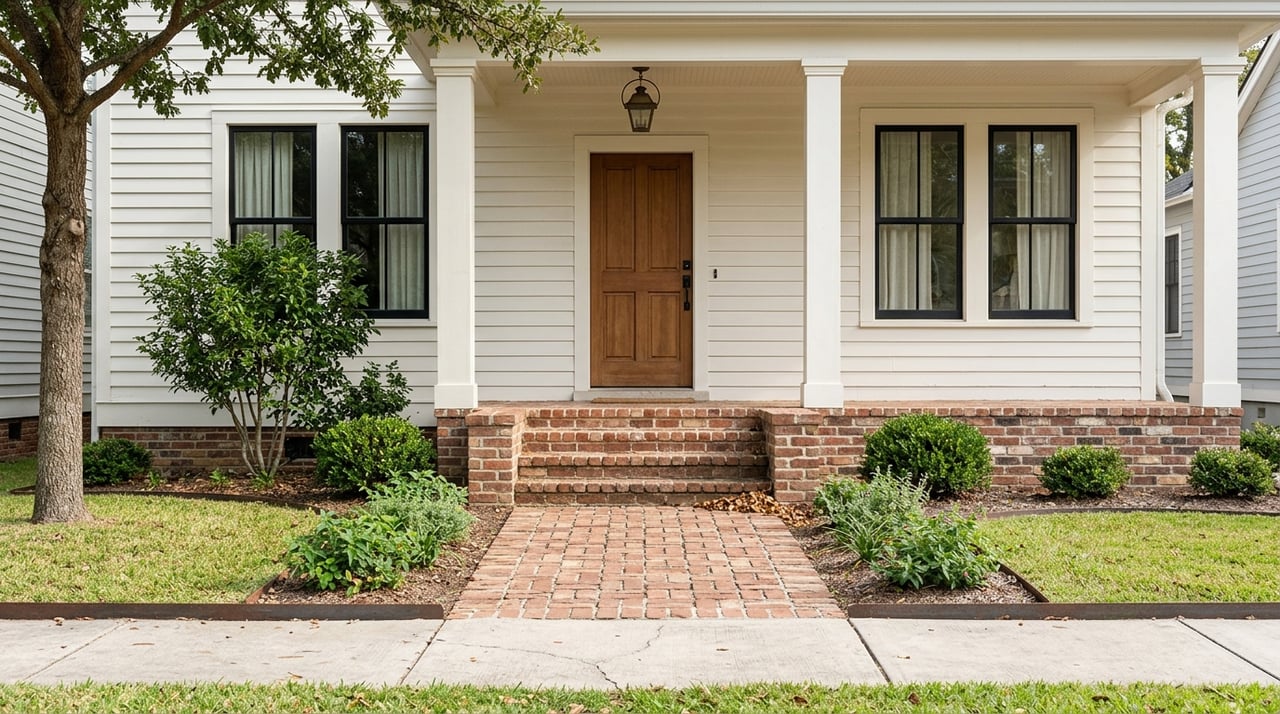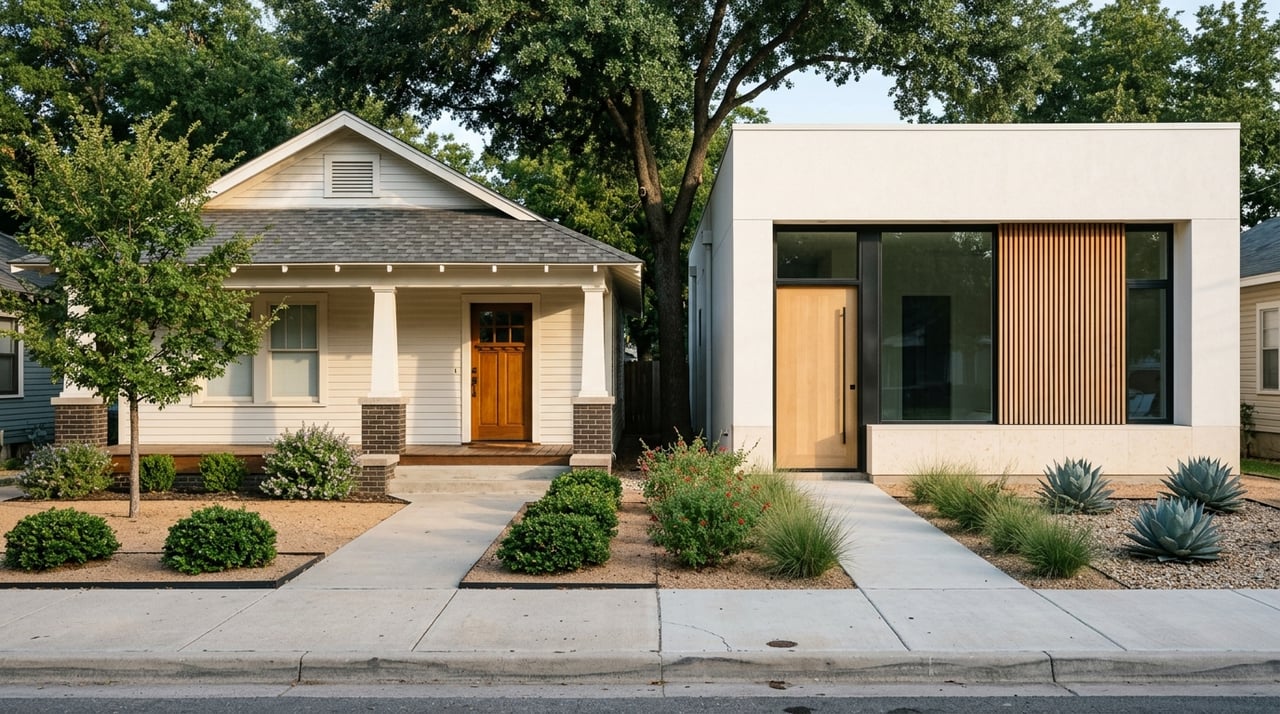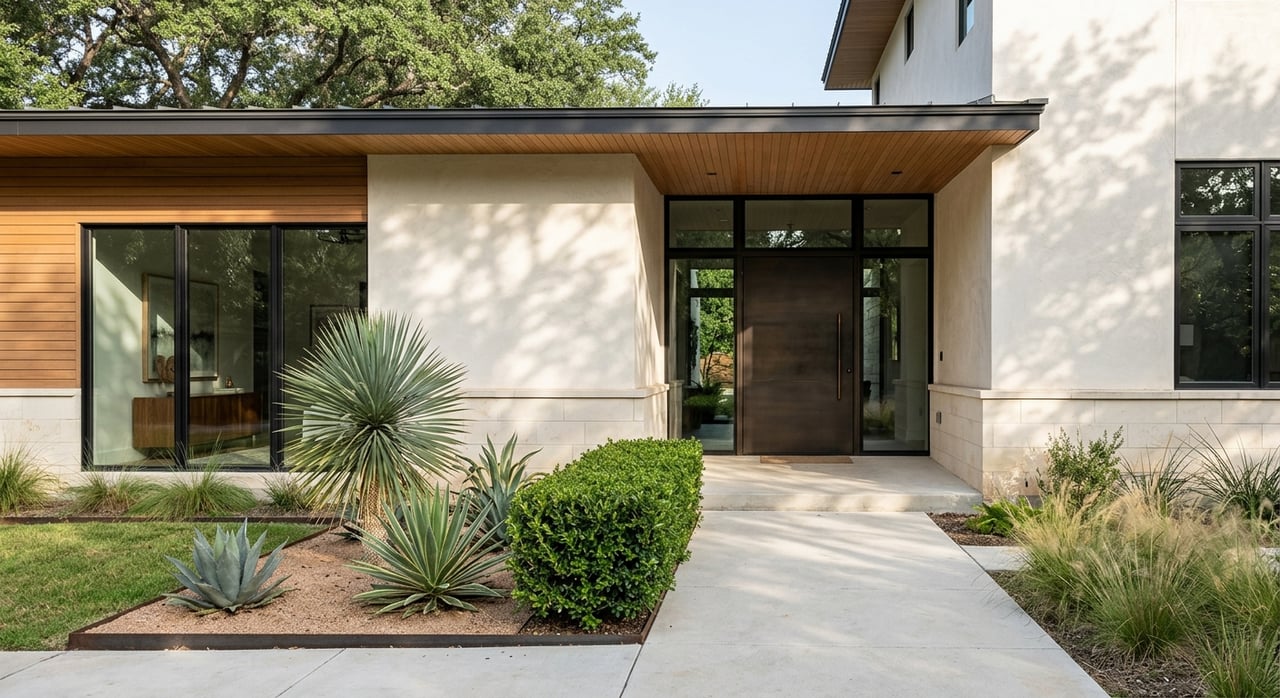
A Tarrytown renovation runs on two clocks, and only one of them is set by your architect. The first is obvious: framing, permitting, inspections, the normal rhythm of getting a project built. The second is quieter and it moves whether you touch your property or not. Every year, more of Tarrytown's housing stock crosses a regulatory line that has nothing to do with condition and everything to do with the calendar. A house built in 1981 is now 45 years old. So is one built in 1980, 1979, and every year before that. In a neighborhood platted in 1915 and built out steadily through the 1960s, that threshold is not a rare exception. It is most of the neighborhood, arriving on schedule.
That birthday matters because it triggers a City of Austin historic-age review the moment someone applies to tear down or substantially demolish the structure. It runs alongside a separate, older set of rules governing the oak canopy that gives Tarrytown its name recognition in the first place. Understanding how those two systems intersect, and when, is the difference between a renovation that stays on budget and one that stalls in the permitting queue because nobody checked the second clock.
Two Numbers on the Tape Measure
Austin's tree ordinance sorts trees on private property into tiers based on trunk diameter, measured 4.5 feet above the ground. The City Arborist Program administers all of it, and the two numbers that matter most to a Tarrytown homeowner are 19 and 24.
| Trunk diameter | Classification | What it means for you |
|---|---|---|
| 8 to 18 inches | Small Tree | Only relevant if enrolling in the Small Tree Fee Credit on new single-family construction |
| 19 inches or more | Protected Tree | A permit is required to remove it, under any circumstances |
| 24 inches or more (specific species) | Heritage Tree | Removal is prohibited except under narrow code exceptions |
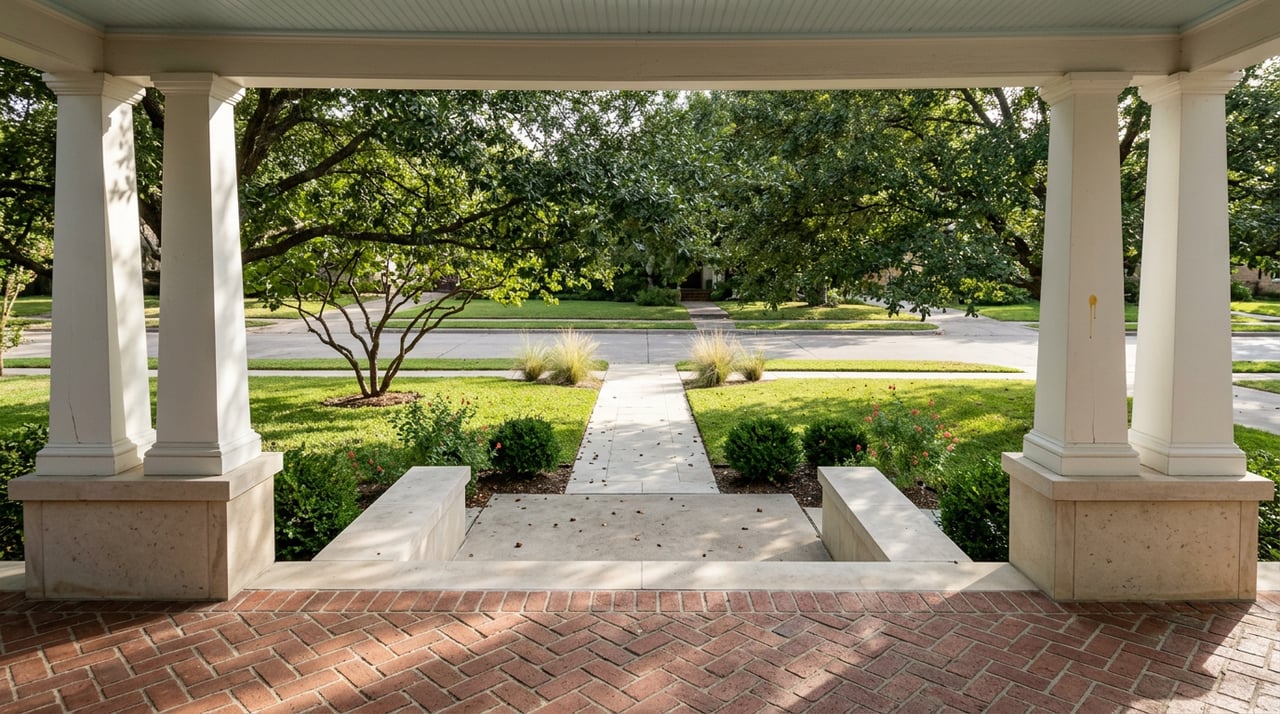
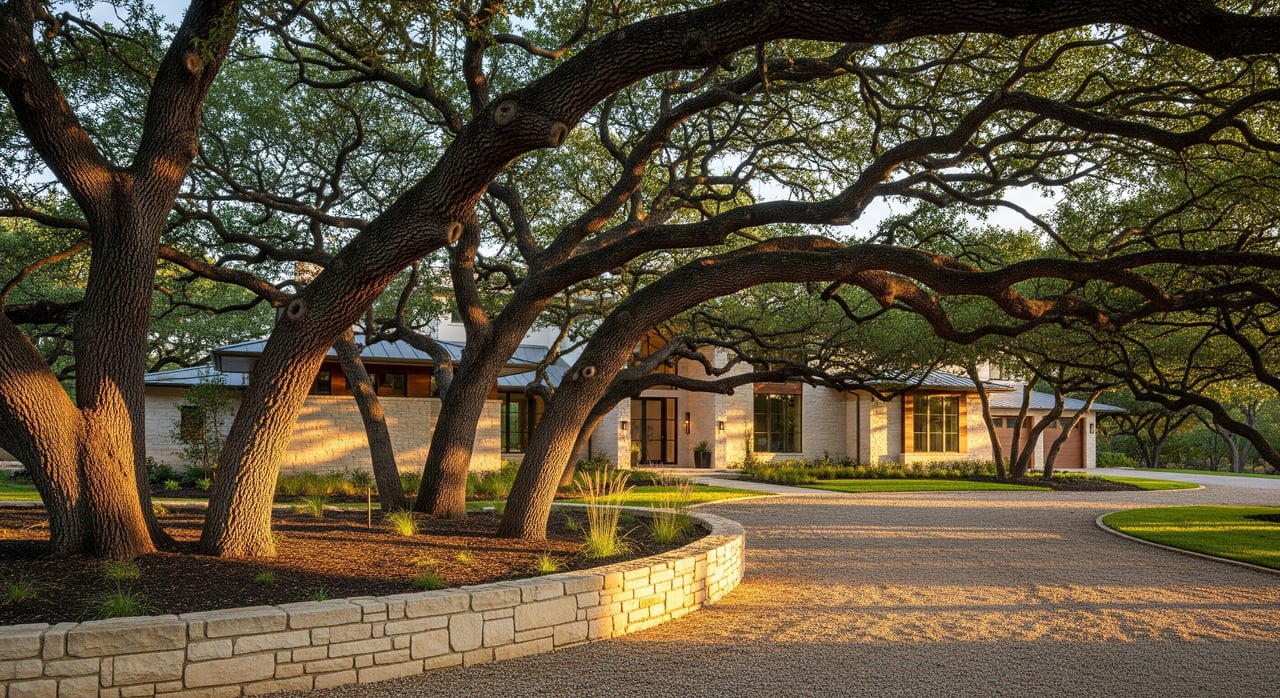
A live oak with a trunk you can't wrap your arms around is very likely already past 19 inches. Most of Tarrytown's mature canopy, planted or preserved since the subdivision's earliest decades, sits well above that line. Which means the tree in your front yard is probably not a landscaping decision anymore. It's a regulated feature of the lot, in the same category as a setback or an easement.
The Root Zone Nobody Sees
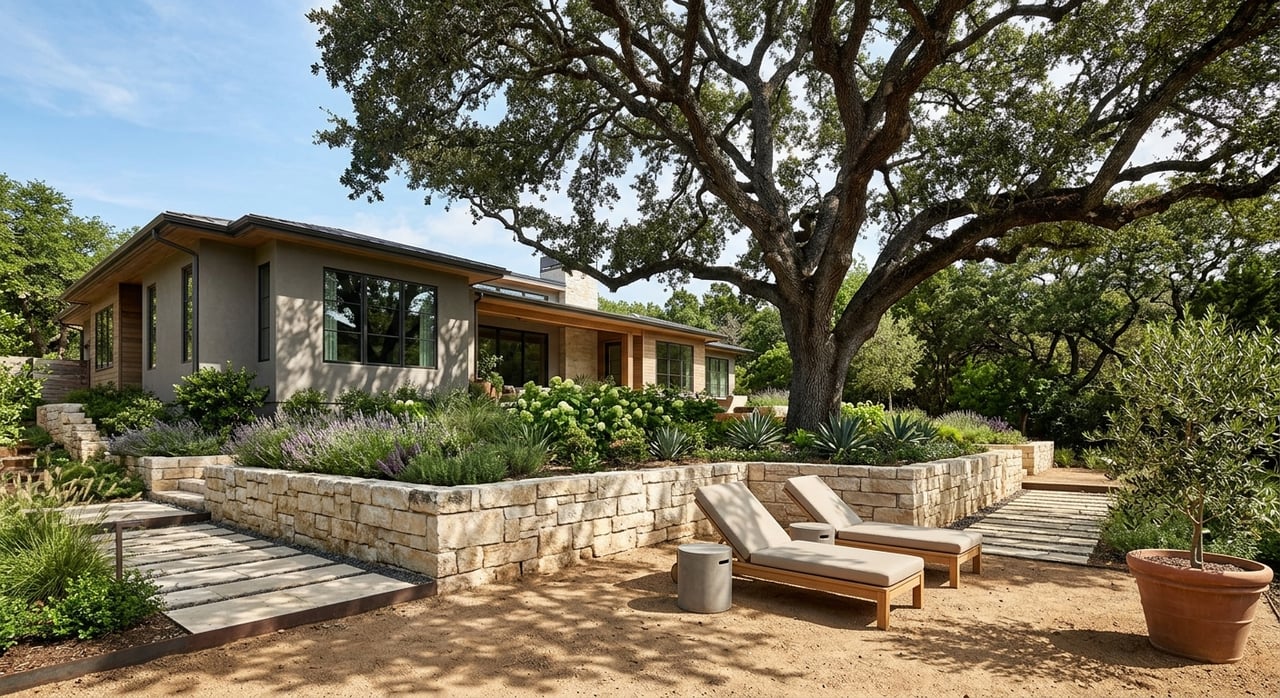
The part of this rule that catches people off guard isn't the trunk. It's the roots. The City's tree permitting page defines a Critical Root Zone that extends outward from the trunk at a radius of one foot for every inch of diameter. A 24-inch heritage oak carries a 24-foot protected radius in every direction. On a Tarrytown lot with two or three mature oaks, that circle can cover the footprint of a planned addition, a pool, or a widened driveway before a single permit application gets filed.
Digging, grading, or even staging construction material inside that zone is regulated activity, whether or not the tree itself is touched. A City arborist explained the trigger list plainly to a local news crew earlier this year: removal, pruning more than 25 percent of the canopy, or disturbance of the root zone are the three actions that require a permit.
"You can't just cut down a tree because you want to."
That arborist, Daniel Priest, also told the station his team fields 10 to 20 complaints a week about unauthorized cutting or over-pruning across the city. That volume tells you this isn't a rule enforced only on paper.
What an Over-Prune Actually Costs
The financial exposure here is not hypothetical. A Northwest Hills homeowner named Michael Petrick is currently suing the City of Austin, represented by the Texas Public Policy Foundation, after the city determined two of his trees had been over-pruned beyond that 25 percent threshold. Under the ordinance, excessive pruning can be treated the same as removal. The city calculated a mitigation fee based on the trees' combined 44 caliper inches at a rate of $200 per caliper inch, landing on an $8,800 bill that Petrick is now contesting in court. His attorney disputes whether the city has the authority to impose that kind of charge at all, and the case is still working through litigation.
Set aside how the lawsuit resolves. The number that matters for anyone renovating in Tarrytown is the rate: $200 per caliper inch, applied retroactively once a violation is found. A single mature oak easily carries 24 to 30 caliper inches on its own. Landscapers who work the neighborhood regularly report the same pattern on the ground: a homeowner budgets for a routine limb trim, only to learn mid-job that the tree in question is large enough to require a pre-removal application and a certified arborist's sign-off before anyone touches it with a saw. The mitigation math in the Petrick case shows what happens when that step gets skipped instead of scheduled.
The Other Clock: Turning 45
Tree review is the rule most people have heard of. The one that surprises Tarrytown sellers and buyers more often is tied to the age of the house itself. In Austin, a demolition permit for a structure 45 years old or older requires a review by the Historic Preservation Office before work can proceed, separate from anything involving trees. Partial demolition counts too: removing more than half of a home's exterior walls can trigger the same demolition-notification process as a full teardown, including a mandatory pre-demolition inspection and a notice window to adjacent property owners that must run at least five days before work begins.
Tarrytown's housing stock, largely built from the 1910s through the 1960s, sits almost entirely on the far side of that 45-year line already. But the detail worth sitting with is that the line keeps moving forward. Houses built in the late 1970s and early 1980s, the kind that once counted as "newer" infill on older lots, are aging into the same review requirement in real time. A property that didn't trigger historic-age review five years ago may trigger it today, with no change to the house itself. The only thing that changed is the date.
When Both Clocks Run at Once
The friction shows up when a project needs both reviews at the same time. A homeowner planning a substantial teardown on a deep Tarrytown lot with mature oaks is very likely dealing with a structure old enough for Historic Preservation Office review and root zones large enough to require tree review, concurrently, on the same building permit. These are not sequential steps you can knock out one after the other on your own schedule. The city runs tree review simultaneously with building plan review, which means a project that hasn't accounted for both from the start can stall waiting on the slower of the two.
The good news is that none of this requires guesswork before you commit money to architectural drawings. Austin offers complimentary 20-minute residential zoning and building-code appointments where staff will look at setbacks, impervious cover, and general permit scope before you've spent a dollar on design. For projects that already involve a regulated tree, a paid Pre-plan Submittal Consultation gets a staff review of which trees must be preserved or mitigated and what variances, if any, might apply. Smaller kitchen or bathroom refreshes that don't move walls or relocate plumbing can often move through an Express Permit with a one-business-day turnaround instead. The path you take depends entirely on which of these triggers your specific project touches, and that's exactly the kind of thing worth confirming before an offer goes in, not after.
One more date worth knowing if new construction is on the table: the Small Tree Fee Credit, which offsets development fees in exchange for preserving smaller trees under 19 inches on a new single-family build, stops accepting applications after May 28, 2027. It only applies to new construction, not remodels or additions, so it's a narrow tool, but a relevant one if a teardown-and-rebuild is the plan rather than a renovation.
A Few Direct Questions
Does trimming a tree count as removal under this ordinance? It can. City rules limit pruning to no more than 25 percent of a regulated tree's canopy in a growing season. Removing more than that has been treated as functionally equivalent to removal, with mitigation fees calculated accordingly.
What if the tree is dead or diseased? A separate permit path exists for dead, diseased, or hazardous trees, but the requirement is still based on size, not health. A declining 26-inch oak is still a heritage tree and still requires the appropriate permit before removal.
Does the 45-year demolition review apply if I'm only doing an addition? The Historic Preservation Office trigger is tied to demolition, including partial demolition above the 50 percent exterior-wall threshold. A smaller addition that leaves the majority of the existing structure intact is a different regulatory conversation, which is exactly why the free zoning consultation exists before drawings are finalized.
If you're weighing a remodel, an addition, or a teardown on a Tarrytown lot and want to know which of these clocks your specific property is already running, Nina Seely and the team at Legends Real Estate can walk the site with you before you're locked into a design.