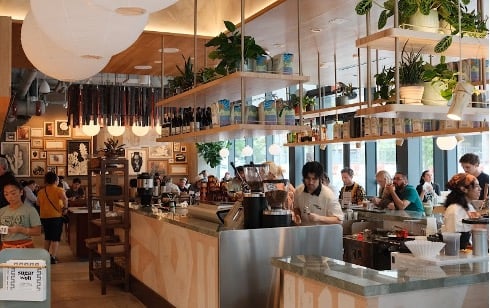
"We grew up in places where the pub wasn't just where you drank, it was where you gathered," Terance Robson said about opening Parley on East Cesar Chavez last December. He and his business partner, Jack "Slim" Hogan, didn't build a stand-alone concept. They set up next to Oseyo, the Korean restaurant that already anchors that stretch of the street, folded gochujang wings and pork belly sliders onto their menu through a shared kitchen, and brought in Idlewild Coffee to run the morning shift. The bar didn't clear space for itself. It plugged into what was already running.
That's the pattern worth naming, because it's easy to miss if you're only counting openings. East Austin is one of the corridors local food writers point to as having the highest concentration of new restaurant and cafe openings anywhere in the city this year, alongside South First Street, Rainey Street, and the Burnet Road strip in North Austin. That's the kind of stat that gets repeated without being unpacked. Look at where those East Austin openings have actually landed and a shape starts to show up: almost none of them are staking out fresh territory. They're moving into buildings, kitchens, and even other businesses' backyards that were already doing something else.
Same Buildings, New Names on the Door
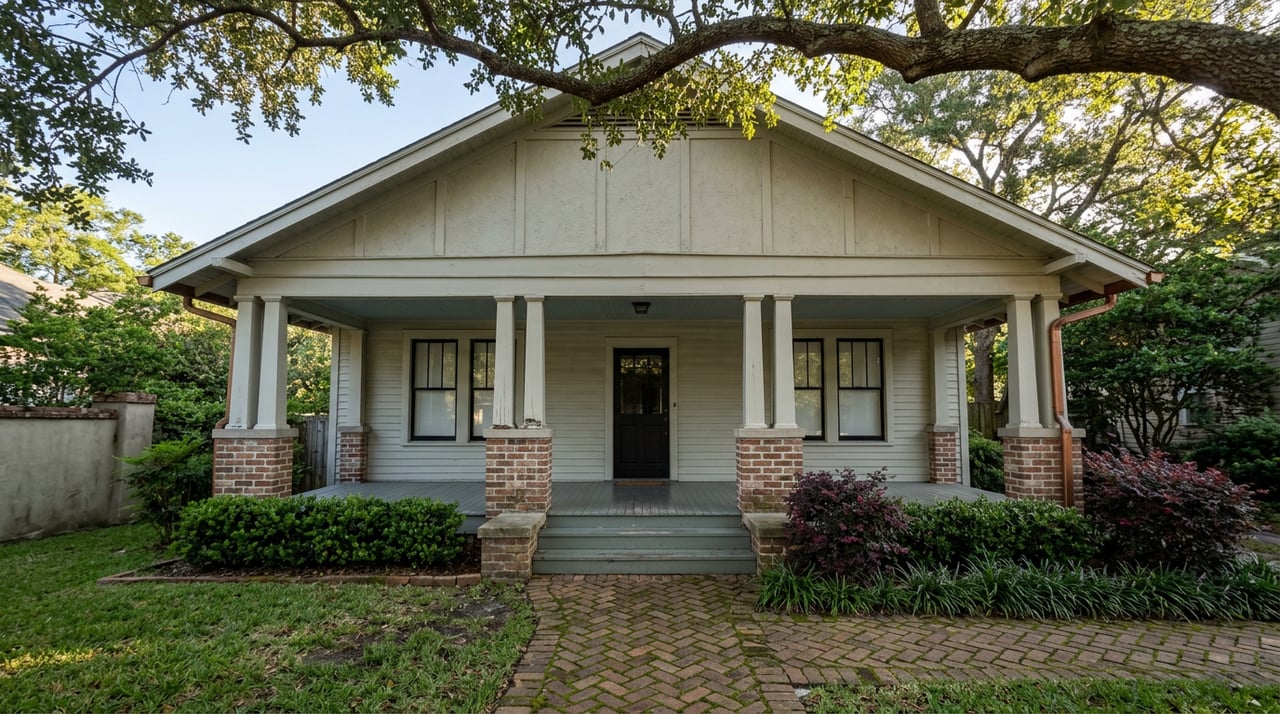
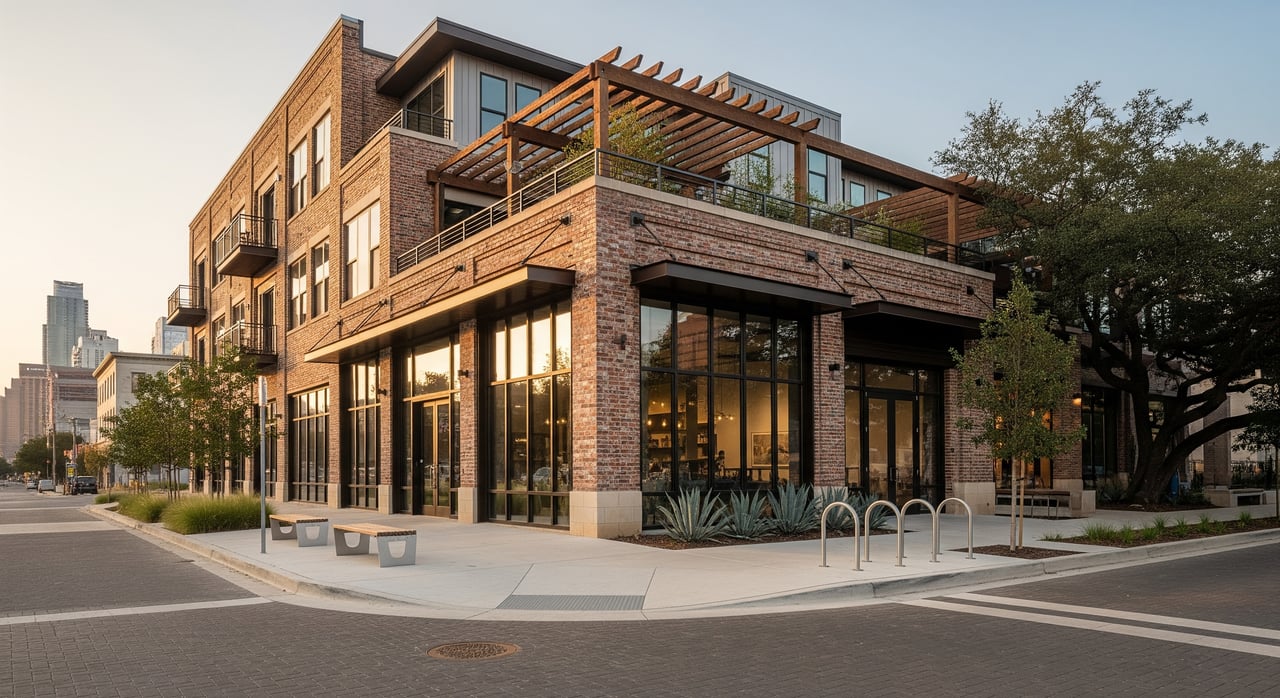
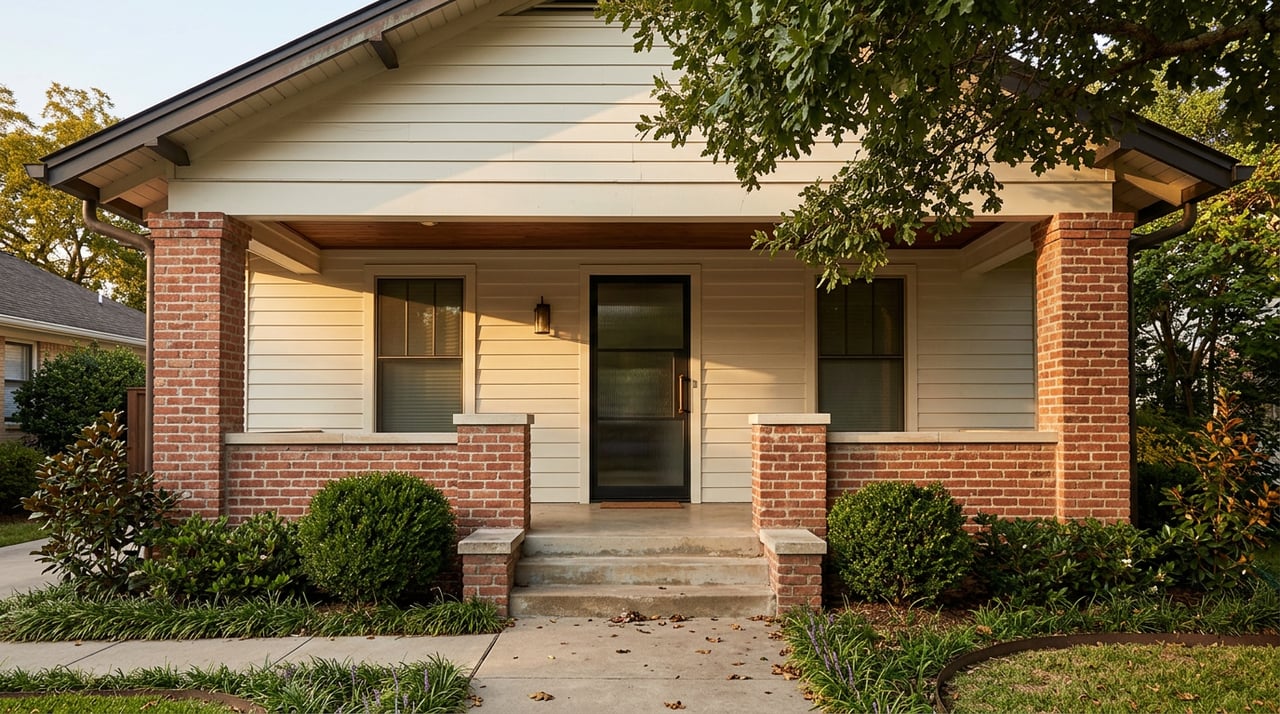
Austin Oyster Co. spent years as a pop-up, shucking oysters at Luck Reunion and Circuit of the Americas before it needed a permanent address. When it found one, at 2502 E. Cesar Chavez St., it didn't build from the ground up. It moved into a renovated 1950s bungalow, kept the shape of a house, and put chef de cuisine Clark Costello, previously of Este and Suerte, in charge of a menu built around oysters from the company's own farm in Brunswick, Maine.
A few blocks over on the same street, Parley's arrangement works the same way in miniature. It didn't hire its own kitchen staff. It shares Oseyo's. It didn't build its own coffee program from scratch. It runs Idlewild's. The bar itself, at 1628 E. Cesar Chavez St., opened its doors on December 19, 2025, with a limited menu and expanded through January into full daily hours, but the growth happened by attaching itself to neighbors who were already there rather than by building something freestanding.
Konbini took the logic even further. The late-night sushi counter from Tare chefs Michael Carranza and Danielle Martinez didn't get its own storefront at all. It's tucked behind papercut, an existing East Austin cocktail bar, sharing walls and foot traffic rather than competing for either.
And East End Ballroom, the retro-luxe supper club and live-music room that opened this year, is housed inside Arlyn Studios, the working recording facility on the east side. The room programs live music nights, DJ sets, and a Sunday brunch, but it does it inside infrastructure that was already built for sound, not for dining.
Four different business types. Four different owners. Same instinct: don't clear a lot, move into one.
The Festival That Left, and Came Home
The clearest version of this pattern isn't a restaurant. It's Levitation, the psychedelic rock and art festival that started in 2008 as Austin Psych Fest, founded by Rob Fitzpatrick and his bandmates in The Black Angels. It took the Levitation name in 2015, borrowed from a song by The 13th Floor Elevators, the Austin band credited with coining the term psychedelic rock in the first place. For most of its history, the festival has run as a scattered circuit of shows across small East Side and Red River clubs rather than one central ticketed ground. Last year, it tried something different and moved its entire operation to the Palmer Events Center, a single large consolidated venue.
For 2026, it didn't stay there. Levitation returned September 10 through 13 to the scattered, multi-venue format it used for most of its history, centered on Radio/East and spreading across Stubb's, Mohawk, Elysium, 13th Floor, 29th Street Ballroom, and Hotel Vegas. Hotel Vegas sits in what's described as the east sixth street arts and entertainment district, next to its sister bars The Volstead Lounge and Lolo Wine, the kind of small, established East Side room the festival has used for years.
A festival that had the option to consolidate into one big room chose instead to spread back out across the bars that were already part of the neighborhood's music infrastructure. It's the same instinct as Parley sharing a kitchen with Oseyo, just at festival scale. When you already have Stubb's, Mohawk, and Hotel Vegas doing their jobs well, you don't need a fairground. You need the East Side.
What This Actually Tells You About the Neighborhood
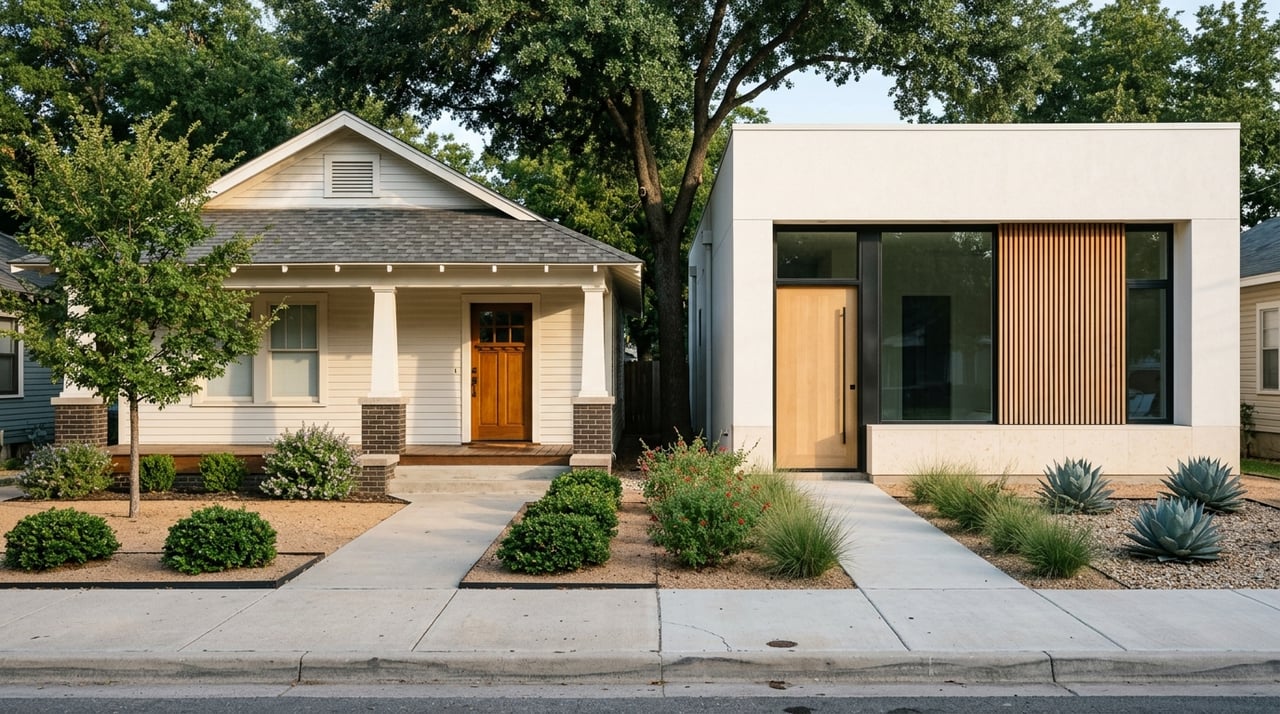
None of this means East Austin has stopped changing. It means the change is happening at a different depth than a simple count of new openings suggests. A newcomer walking down East Cesar Chavez this fall will see new signage in front of Parley and Austin Oyster Co. and assume the block is being remade from scratch. It isn't. The bungalow was already there. The kitchen next door was already there. The coffee roaster was already there. What's new is who's using them and how tightly they've woven themselves into what was already running.
For anyone who's lived here long enough to remember what used to occupy these same footprints, that's a useful thing to know before the next wave of headlines about East Austin's "boom." The businesses opening this year aren't claiming new ground. They're proving the ground that's already there can hold more than people assumed. That's a different kind of growth, and it tends to be a lot more durable than the kind that requires new construction to keep going.
If you're the kind of resident who tracks these openings because you like knowing your own neighborhood, that's reason enough to keep an eye on the stretch of East Cesar Chavez between Parley and Austin Oyster Co., or on what shows up next behind papercut now that Konbini has proven the model works. And if a friend ever asks you what East Austin is actually like to live in these days, you'll have a better answer than a list of restaurant names. You'll have the pattern behind them.
If you ever want to talk through what any of this means for property here, whether you're weighing a move within the neighborhood or just curious what a specific block is worth in today's market, the team at Legends Real Estate knows these streets well enough to walk you through it. Work With Us whenever you're ready.