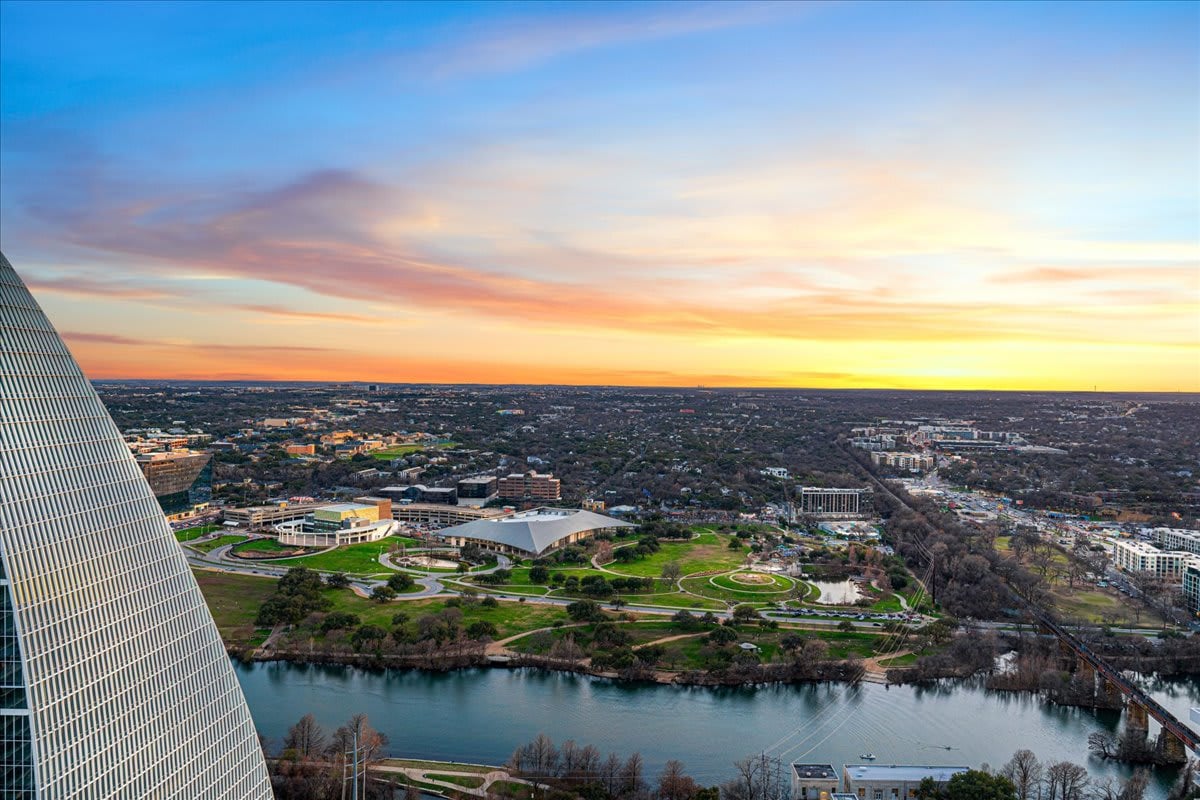
"We're going to be able to keep that green space, really at no cost to the taxpayer," Mayor Kirk Watson said on Oct. 14, as Community Impact reported, announcing a path to permanent city ownership of Lions Municipal Golf Course. Anonymous donors are paying for most of it. The other part of the deal is a rewrite of the rules on the University of Texas land around the course. That land runs along Lake Austin Boulevard, past the Lake Austin H-E-B, Mozart's Coffee Roasters and Hula Hut.
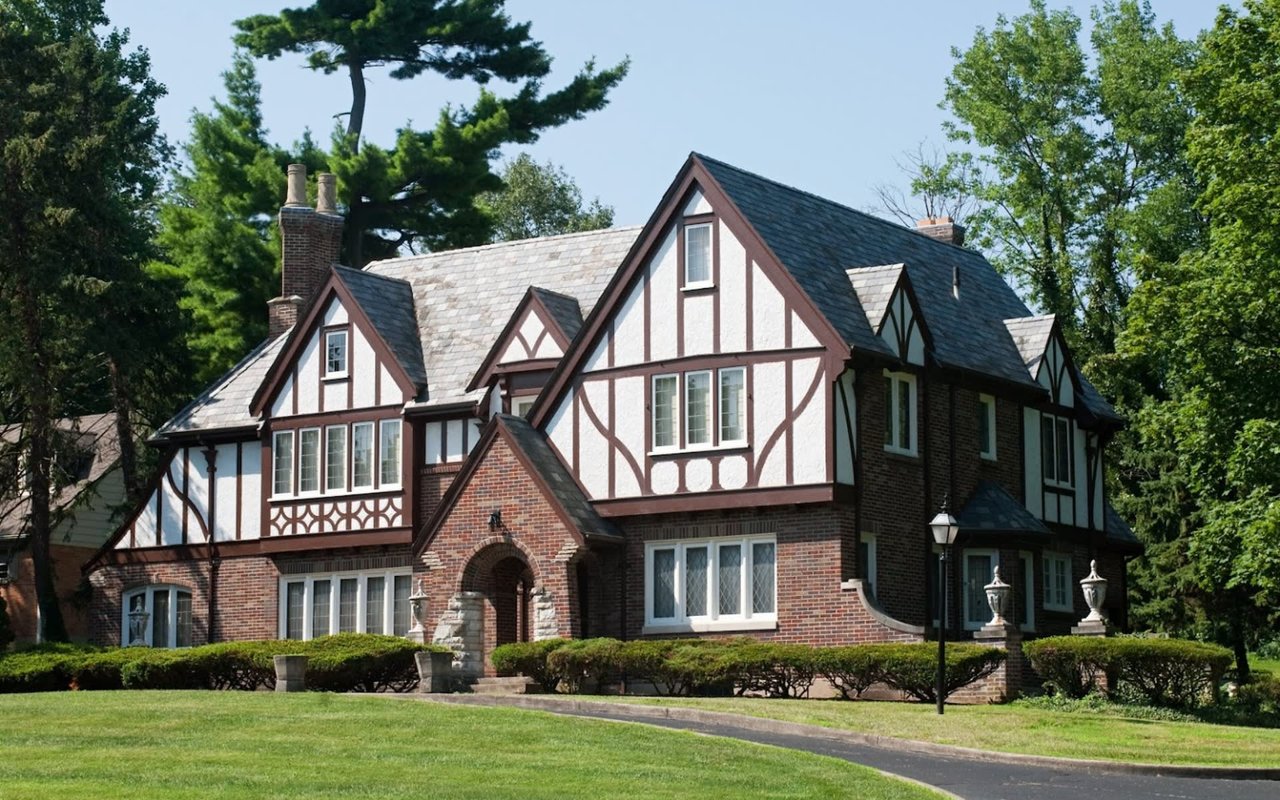
City Council takes up the agreement on Nov. 19. For anyone weighing a home in Tarrytown near Enfield Road or the boulevard, the golf course is the settled part of the deal. The open questions are about what can be built on the land next to it.
The Course Was Never the Weak Point
Muny opened in 1924 on university land. The city has leased it since the late 1930s, and in 1950 it became the first golf course in the South to integrate. It is listed on the National Register of Historic Places as a civil rights landmark and hosts more than 75,000 rounds a year. Austin pays UT just under $500,000 a year for it, according to Community Impact. Austin Current describes the arrangement as month to month.
That month-to-month status is why the course has stayed in play for decades. The 141-acre property at 2901 Enfield Road is part of the larger Brackenridge tract. In the 2000s, a proposal would have redeveloped the whole tract, Muny included, as a dense mixed-use community. Community Impact reports that the property holding Muny and the West Austin Youth Association campus is appraised at more than $680 million. At that value, any lasting deal needed something for UT beyond a lease check.
Under the proposal, Muny would go to the city and the WAYA campus to the nonprofit. To make that happen, Austin has to amend the 1989 Brackenridge Development Agreement, which governs how UT may use its land on both sides of Lake Austin Boulevard. UT's Board of Regents must also approve it.
The Rules for the Other 190 Acres
The new standards apply to 190.26 acres of UT land used for non-university projects. The 141.4-acre course and the 14.6-acre WAYA tract are excluded. The staff terms sheet presented to the Environmental Commission on Oct. 21 sets the current agreement beside the proposed one.
| Standard | Current agreement | Proposed amendment |
|---|---|---|
| Floor-area ratio | .4:1 to .45:1, with total gross area listed as 1.7 million | .6:1 across all 190.26 acres; any single site up to 5:1 |
| Multifamily density | 22 units per acre | No density limit |
| Height | Varies by tract | 65 feet on and north of Lake Austin Blvd; 105 feet south of it where not touching the boulevard |
| Impervious cover | Varies by tract | 75% overall, up to 85% on a single site, transferable between sites |
| Street setback | Varies | 25 feet from current right-of-way, plus streetscape improvements |
At .6:1 across the full 190.26 acres, the arithmetic ceiling comes to just under 5 million gross square feet. Setbacks from the river, a tributary and the boulevard leave less buildable land than the full acreage. Because the ratio applies to the whole area, the terms sheet says some sites developed later "may be undevelopable" once the shared allowance is used up.
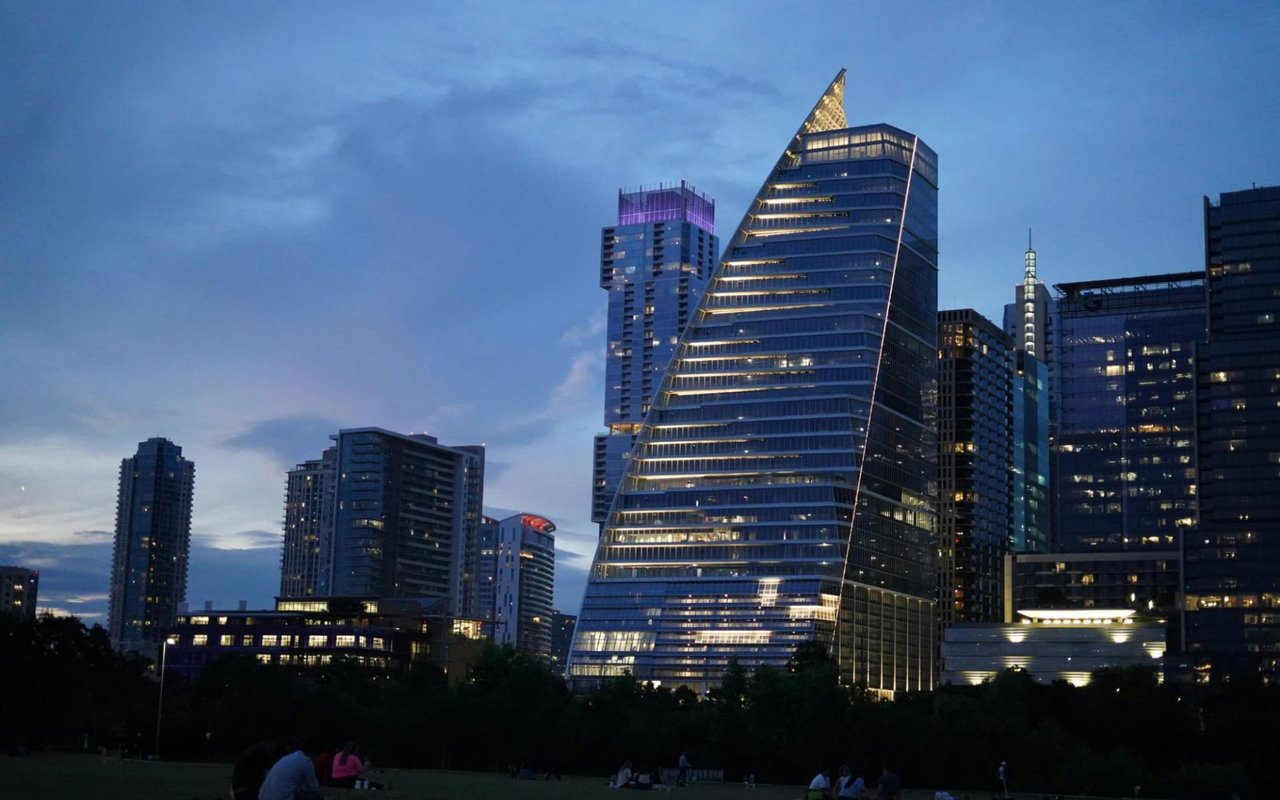
The height rule matters most for anyone who will look at this land every day. The city's Brackenridge tract page describes the cap as 65 feet "when viewed from Lake Austin Boulevard." In the terms sheet, buildings south of the boulevard that don't front it can reach 105 feet. North of it, the cap is 65 feet and compatibility requirements apply. Tarrytown's homes are north of the boulevard. The lake side, toward Lady Bird Lake, is where the extra height could go.
Some protections are written in. The 200-foot setback from Lady Bird Lake stays, divided into a 150-foot primary zone and a 50-foot secondary zone. A new 50-foot setback applies on each side of the minor waterway. The proposal also adds heritage-tree requirements, adopts current city water-quality and drainage rules, and requires UT to replace any affordable student housing it removes, on or off the site. UT has not set any development plans.
Who Pays for the Pipes
Behind the "no cost to the taxpayer" line is a financing question. The 1989 agreement requires the city to pay for water, sewer and other infrastructure on the UT tract, as Austin Current reported. To cover that cost, the city proposes a Tax Increment Reinvestment Zone, which would set aside part of the property taxes from new non-university development for public projects in the area.
At the Oct. 27 Planning Commission briefing, staff explained why this works so well here. Most of the land is university-owned and carries close to zero taxable value today. With a base near $0, nearly all the value new buildings add counts as captured growth. Staff offered 50% only as a hypothetical capture rate and said the actual percentage "has not been determined."
So the donors pay for the course, and future development on the tract pays for the infrastructure. A tax district like this works best with a lot of new taxable value, which gives it a built-in reason to favor more building over less. Watson wrote in his newsletter that the update "will better assure that development of the land provides housing, retail amenities for the neighborhood, height limits, setbacks from the lake, open space, and density provisions," as quoted by Austin Current.
Lake Austin Boulevard Is the Unpriced Variable
The boulevard has the least detail behind it. Asked about traffic at the Planning Commission, staff said the only study dates from before COVID and would need updating. Staff also said "significant improvements" would be needed on Lake Austin Boulevard "for safety and access purposes."
Holly Reed spoke for the West Austin Neighborhood Group at that meeting. She said the group supports the outcomes for Muny and WAYA and wants more information on how the tract will affect traffic and the environment. At the Environmental Commission a week earlier, Edward LeBrun of UT's Brackenridge Field Laboratory said, "Anything that's done to this land cannot be undone, and it should not be rushed," as Austin Current reported. The 82-acre lab sits inside the 190 acres.
Muny's longtime advocates support the deal. Ken Tiemann, co-chair of the Save Historic Muny District, told Austin Current he has "complete confidence that UT is going to do something fabulous with the remainder of the land." Ben Crenshaw, co-chair of The Muny Conservancy, told Community Impact, "this is not the time to let up."
Two Votes, Several Months Apart
This is the friction for anyone planning a purchase. Council's vote in November approves the general framework. The detailed rules come later.
- Oct. 21 and Oct. 27, 2026. The Environmental Commission and Planning Commission received staff briefings. Neither took a recommendation vote, and planning commissioners asked for a future item to develop recommendations.
- Nov. 19, 2026. City Council considers the amended Brackenridge Development Agreement.
- Early 2027. If Council approves, staff return to both commissions with the regulating plan.
- Spring 2027. The regulating plan and the tax district go through boards and commissions and back to Council.
A buyer who closes on a home near Enfield Road this winter would be buying after the framework is set and before the regulating plan is finished. The Muny question has an answer, while the plan that decides what goes up along the boulevard is still being written. This post is general information, not legal, tax or financial advice. Anyone whose plans depend on these rules should confirm the details with the right professional.
A Few Direct Questions
Is Muny saved? Not yet. The deal needs approval from City Council and the UT Board of Regents. The donors behind it are anonymous, and their contributions have not been disclosed.
Will the shops on Lake Austin Boulevard change? No plan names specific businesses for redevelopment, and UT has not proposed any projects. The amendment sets the rules any future project would follow.
Does anything else ride on this agreement? Yes. It also updates UT's ground lease at 1400 Barbara Jordan Blvd. in Mueller to allow future student and faculty housing, and it moves some city rights-of-way on UT campuses to university oversight.
If you're considering a home within sight of Muny or Lake Austin Boulevard, we follow the Brackenridge regulating plan as it moves through City Hall and can walk you through what each stage means for the streets you're looking at. Legends Real Estate would be glad to talk it through. Work With Us.